
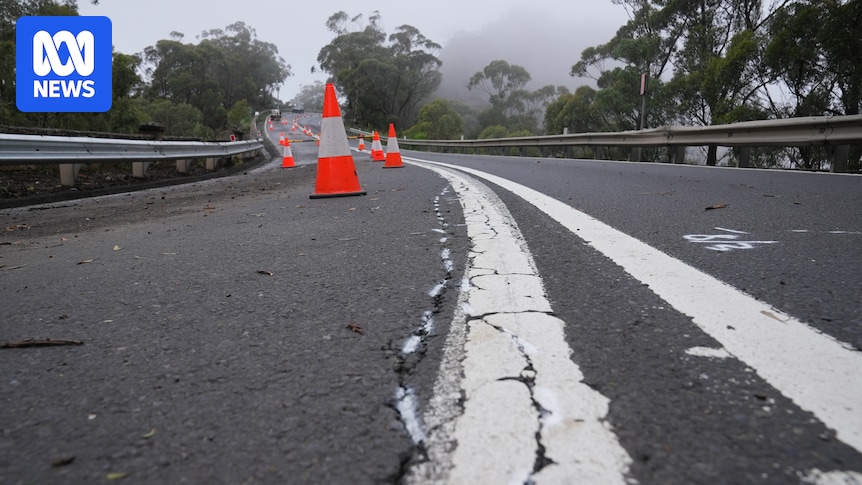
The NSW roads minister says the Great Western Highway will be shut for more than three months as the government seeks experts from around the world to help find a solution.
The road linking Sydney with Central West NSW has been shut at Victoria Pass since March, after cracks were discovered on the 200-year-old Mitchell’s Causeway.
The closure has resulted in more than 12,000 motorists a day detouring through central Lithgow and the nearby Bells Line of Road in order to cross the Blue Mountains.
The road was initially expected to be closed for up to three months, but NSW Roads Minister Jenny Aitchison today conceded that could change.
“It is clear that it will be longer than three months, but I am not going to put a figure out there because that would be irresponsible,” she said.
“Until we have that solution, we won’t have a proper timetable on when the road will reopen.”
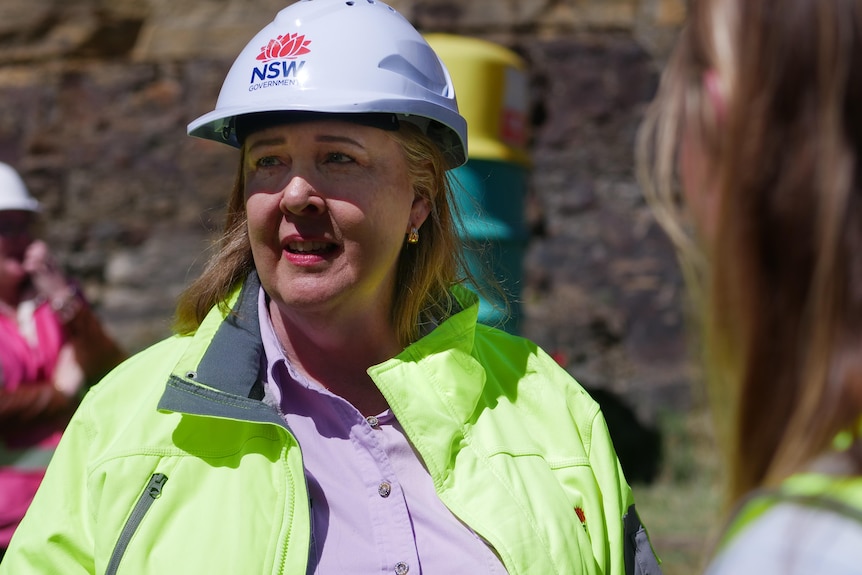
Jenny Aitchison says there is no timeframe for when the highway will reopen. (ABC Central West: Lani Oataway)
Geotechnical studies of the failed section of the highway have been finalised a fortnight later than expected.
“The fill underneath the road has deteriorated significantly,” Ms Aitchison said.
“There are voids and gaps in the structure of the causeway.”
Ms Aitchison said the government was inviting experts to a technical briefing on April 23 to help fast-track a solution.
“We are bringing together experts from around the world as well as Australia to look at how we can restore access,” she said.
“We will be fast tracking the procurement process but it will take some time. We said to the community three months, we are working on that.”
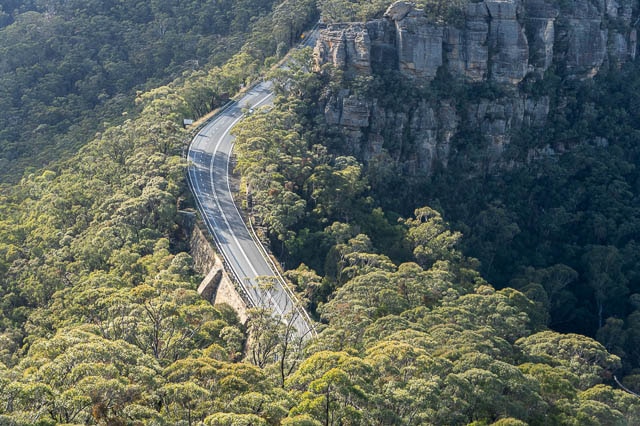
The Great Western Highway is the main link between Sydney and Western NSW. (Supplied: David W Noble)
Ms Aitchison said “proactive monitoring” of the road that began in December identified cracking and bulging in the road.
“It was starting to shift quite substantially in a way that was not seen before … [it] was very close to a landslip.”
Community impact
The closure of the Great Western Highway has resulted in significant increases in travel times over the Blue Mountains and through the town of Lithgow.
Hartley District Progress Association president Ramsay Moody said the community was struggling to deal with the situation.
“All delays are a worry. Three months is a long time to wait,” Mr Moody said.
“These little delays are suggesting that that three months is going to extend, so it’s very concerning.”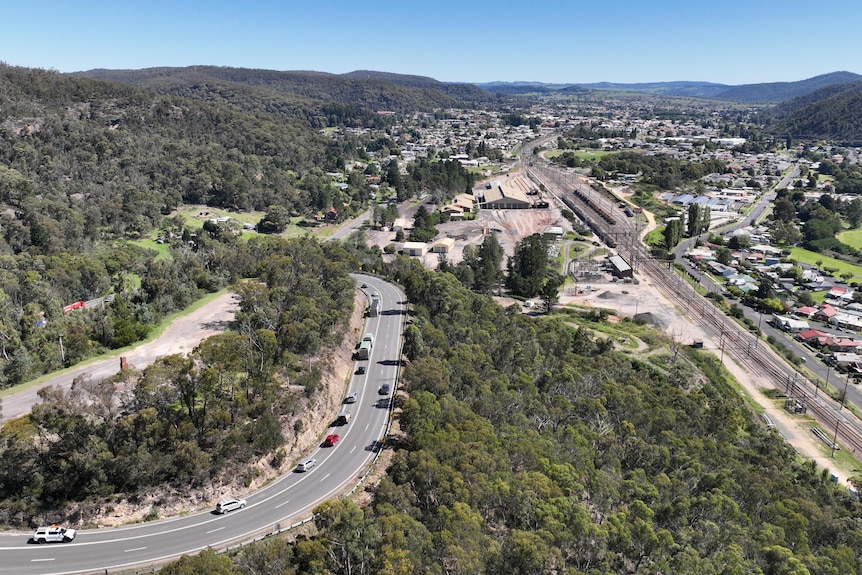
More than 12,000 commuters have been detoured to the Bells Line of Road each day over the Blue Mountains. (ABC Central West: Xanthe Gregory)
Mr Moody said the closure had wide-ranging impacts on residents and businesses.
“Parents getting kids to and from school up and down the mountains … it has extended people’s day by an hour or more,” he said.
“The financial impact on our businesses … they are having to adjust to being totally bypassed. There is no business at all.”
Ms Aitchison said she was “really quite sympathetic” to those impacted.
She said the NSW government was running additional buses and trains over the Blue Mountains.
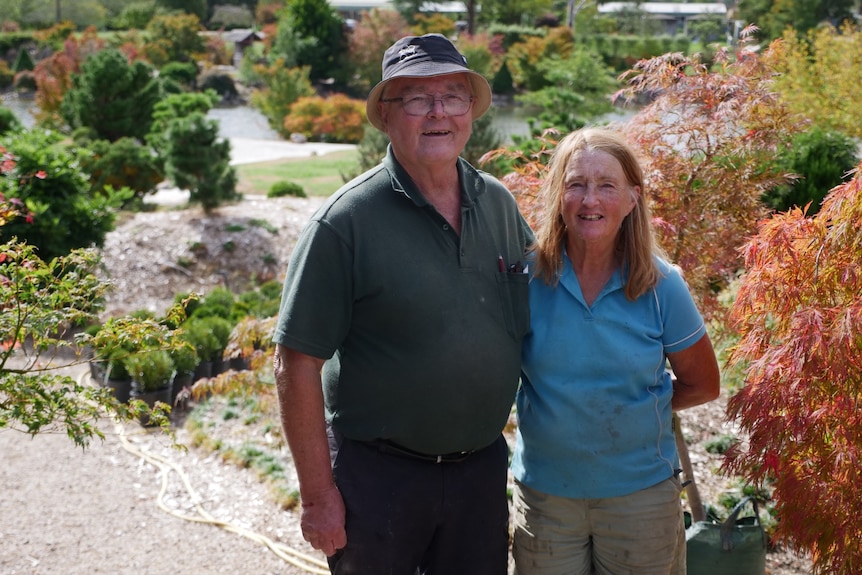
Little Hartley Japanese garden and nursery owners Alan and Margaret Jackson would like financial support, with visitor numbers down significantly since the highway’s closure. (ABC Central West: Xanthe Gregory)
Business despair
Businesses on the highway at Little Hartley continue to feel the impact of the closure.
Japanese garden and nursery owner Margaret Jackson said visitors and bus tours had stayed away since the highway closed in early March.
“People aren’t coming … it feels a lot like being in lockdown during the COVID pandemic,” Ms Jackson said.
“This is not something of our own doing … we’ve hardly had any sales and we still have to live, still have to pay for electricity, for stock and water, all of the costs to run a business.”
Ms Jackson urged the government to offer financial help to affected businesses.
“Unless we get some support, it’s going to be a hard struggle especially when the road looks like being closed for at least a year, if not more,” she said.
“Given the volume of traffic on the Victoria Pass, everyone could see what was going to happen, but governments for the past decade didn’t spend the money to prevent it from happening.”
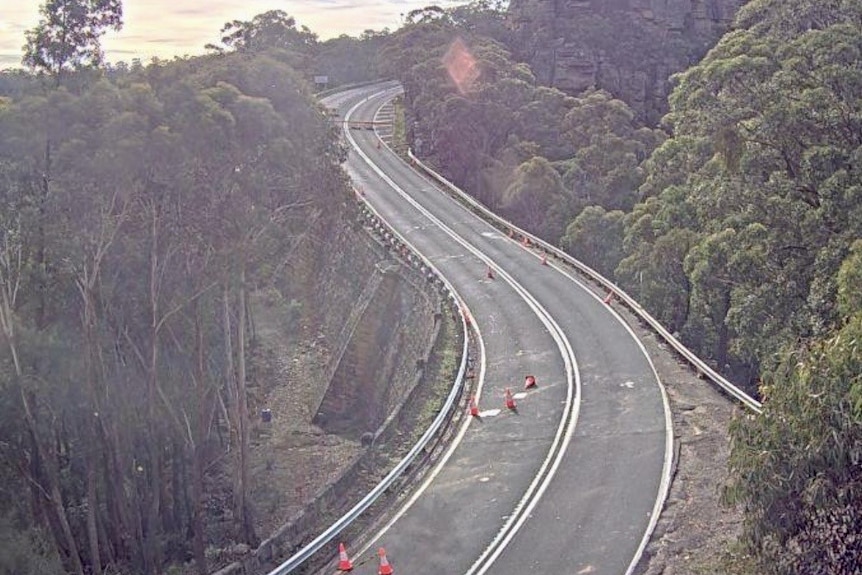
Construction work continued today on the closed section of the Great Western Highway at Victoria Pass. (Supplied: Live Traffic)
A survey conducted by the state’s peak business body has also highlighted the impact of the highway’s closure at Victoria Pass.
More than half of the 300 Central West businesses that responded to the Business NSW survey reported cost increases of up to 30 per cent.

Vicki Seccombe says businesses in the central-west are struggling to cope with the highway closure. (ABC Central West: Hamish Cole)
They cited a combination of factors, including falling revenue, supply-chain delays, high fuel prices and a drop in customers.
Business NSW western regional director Vicki Seccombe said 98 per cent of businesses said they would be impacted by the highway’s closure.
“It’s really concerning, particularly for the small to medium-sized businesses, those that rely on visitors, as well as manufacturers, construction and agricultural industries that can’t absorb these costs easily,” she said.
“Once these productivity losses start to add up and the cash flow is stressed, businesses feel they may need to close.”
Ms Seccombe said affected businesses were calling for financial support.
“They want disaster support packages similar to COVID, including payroll tax deductions, as well as a campaign to let people know the region is still open,” she said.