
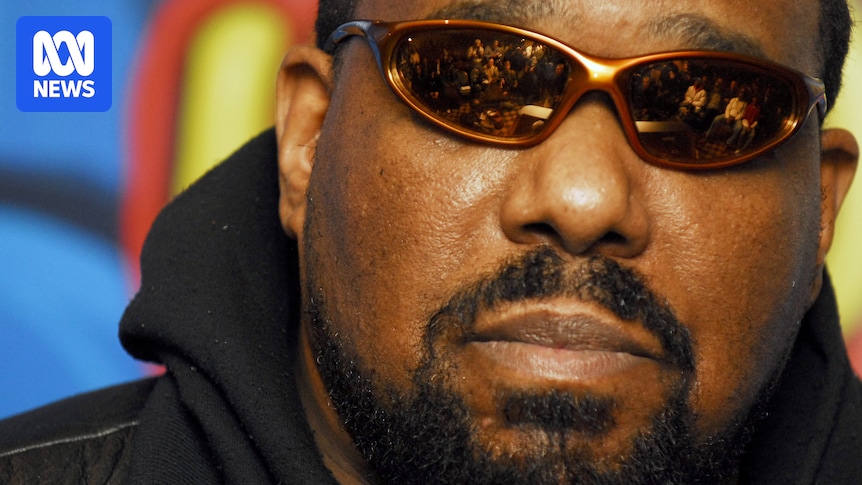
Afrika Bambaataa, the hip hop pioneer later accused of child sexual abuse, has died following complications from cancer. He was 67.
Born Lance Taylor, Bambaataa was a prominent figure in hip hop for decades.
His block parties in The Bronx in the 1970s, alongside those from peers like DJ Kool Herc, laid the foundation for what hip hop would become.
His best-known track was 1982’s Planet Rock, a groundbreaking song that brought together elements of European pop, British rock and the New York hip hop sound breaking through at the time.
He also wrote Renegades of Funk, first released in 1983 and later popularised by American rock band Rage Against The Machine.
In the 1970s, Bambaataa started the awareness group Universal Zulu Nation, which used hip hop to appeal to young people involved in gangs, turning them away from violence and preaching the power of art and unity. The group continues to this day.
Sexual abuse allegations
Bambaataa’s legacy has been overshadowed by allegations of child sexual abuse and sex trafficking that first surfaced in 2016.
He denied the allegations in a statement at the time.
“I, Afrika Bambaataa, want to take this opportunity at the advice of my legal counsel to personally deny any and all allegations of any type of sexual molestation of anyone,” he said in a statement.
“These allegations are baseless and are a cowardly attempt to tarnish my reputation and legacy in hip hop at this time. This negligent attack on my character will not stop me from continuing my battle and standing up against the violence in our communities, the violence in the nation and the violence worldwide.”
This was followed by a statement from Universal Zulu Nation in which they called one accuser “mentally challenged”.
But, after allegations from multiple other men surfaced, Bambaataa was removed as head of the organisation. In June of 2016, they issued an apology to the hip hop icon’s alleged victims.
“We extend our deepest and most sincere apologies to the many people who have been hurt by the actions of Afrika Bambaataa and the subsequent poor response of our organisation to allegations levelled against him,” Zulu Nation said in a statement.
In 2021, an anonymous man filed a civil suit against Bambaataa, alleging he was “repeatedly sexually abused and sex trafficked” between 1991 and 1995.
Last year, after failing to appear in Bronx Supreme Court, Bambaataa lost the case.
In response to the news of Bambaataa’s passing, executive director of the Hip Hop Alliance and fellow hip hop pioneer Dr Kurtis Blow acknowledged the complexity of Bambaataa’s legacy.
“His imprint on hip hop history is undeniable and will forever remain part of the culture’s origin story,” he said in a statement.
“At the same time, we recognise that his legacy is complex and has been the subject of serious conversations within our community.
“As an organisation committed to truth, accountability, and the preservation of hip hop culture, we believe it is important to hold space for all voices while continuing to uplift what empowers and protects the people.”