
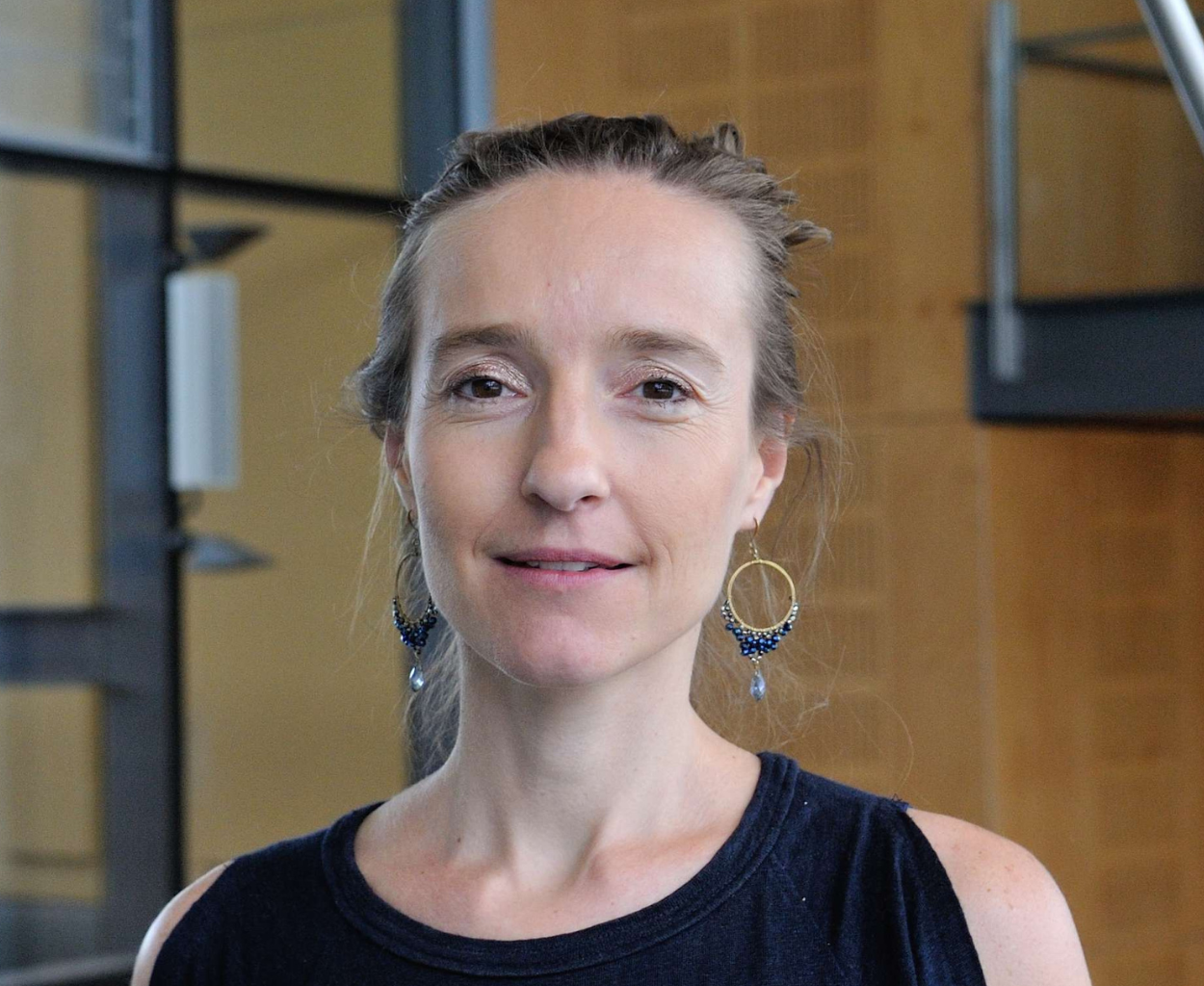
 Professor Kim Delbaere.
We already know how to prevent falls – the challenge is making it happen every day for every older Australian. In this guest post, Professor Kim Delbaere, Discipline Lead of Physiotherapy at the UNSW School of Health Sciences, Senior Principal Research Scientist at Neuroscience Research Australia, and CEO of Ylva Health Pty Ltd, outlines how the sector can turn evidence into consistent, everyday practice.
April is Falls Awareness Month.
Falls are one of the clearest indicators of how well our aged care system is functioning. Yet falls are not an inevitable part of ageing; they are largely preventable. The challenge is not a lack of evidence. We know what works. The challenge is how consistently and effectively the evidence is delivered in practice.
In many settings, falls prevention remains fragmented. Too often, care is triggered after a fall rather than preventing the first (or next) one and often not followed by sustained, structured interventions at the level required to reduce risk of future falls.
Traditional models of care present limitations. They are resource-intensive, difficult to scale and rely heavily on workforce availability. In practice, this means that most older people do not receive the intensity or duration of intervention needed to make a meaningful difference.
So what can we do differently?
A practical starting point is to identify those at risk early. Three simple screening questions, now widely recommended in international guidelines, can be embedded into routine care:
Have you fallen in the past 12 months?
Do you feel unsteady when standing or walking?
Do you worry about falling?
These questions take less than a minute to ask but are highly effective in identifying both current and emerging risk.
For those who report a fall, a brief follow-up on the circumstances and severity can help guide next steps. A simple walking speed test also provides valuable insight. Taking more than 5 seconds to walk 6 metres (0.8 m/s) indicates increased risk.
From there, fall prevention can be supported through a small number of consistent, evidence-based actions, as recommended by the Australian best practice guidelines.
Support regular balance-challenging exercise. This is the most effective intervention, but it must be sufficiently challenging and sustained for at least two hours per week for 6 months (and more). Simple activities, such as walking heel-to-toe or standing on one leg while waiting for the kettle to boil, can be highly effective when progressed and practised consistently.
Address environmental risks. Most falls happen at home. Removing trip hazards, improving lighting and installing supports are low-cost actions with immediate impact.
Review health-related factors. Medication, vision, hearing, foot health and vitamin D all contribute to falls risk and should be reviewed regularly as needs change.
From evidence to implementation
There is growing recognition that the next step in falls prevention is not generating more evidence, but improving how existing evidence is delivered at scale, with consistency and over time. This requires new ways of thinking about service delivery.
Digital and hybrid models are increasingly part of the solution. They enable older people to engage in structured, progressive exercise at home, while clinicians provide targeted oversight where it is most needed. This extends care beyond time-limited interactions and supports long-term engagement.
Evidence-based programs such as StandingTall reflect this shift. Developed over a decade of research at NeuRA, it delivers personalised, home-based balance and strength exercises that adapt and progress over time. Large-scale clinical trials have demonstrated reductions in falls and injurious falls by up to 42%, alongside cost-effectiveness.
For providers, the value of these models lies in supporting continuity of care, increasing reach and ensuring that interventions are delivered at the intensity required to be effective.
A shift in mindset
Falls prevention is not a one-off intervention. It is an ongoing process that needs to be embedded into routine care.
The opportunity for aged care providers is clear: to move beyond responding to falls and instead build systems that support consistent, proactive prevention.
Because ultimately, how we prevent falls reflects how well we support older people to remain independent, active and living well.