
Indigenous people grappling with some of Australia’s worst poverty and health outcomes are being offered a chance to tap into a business and community development fund worth more than half a billion dollars, but there are fears the money is being spent too conservatively.
Two years ago the federal government gave statutory Indigenous organisation Aboriginal Investment NT (AINT) control of $680 million in royalties that Northern Territory Aboriginal people have earned from hosting mines on their land.
The body has set itself the goal of helping Aboriginal people achieve “economic self-sufficiency” and “cultural and social health” by using the money to fund “nation-building projects”.
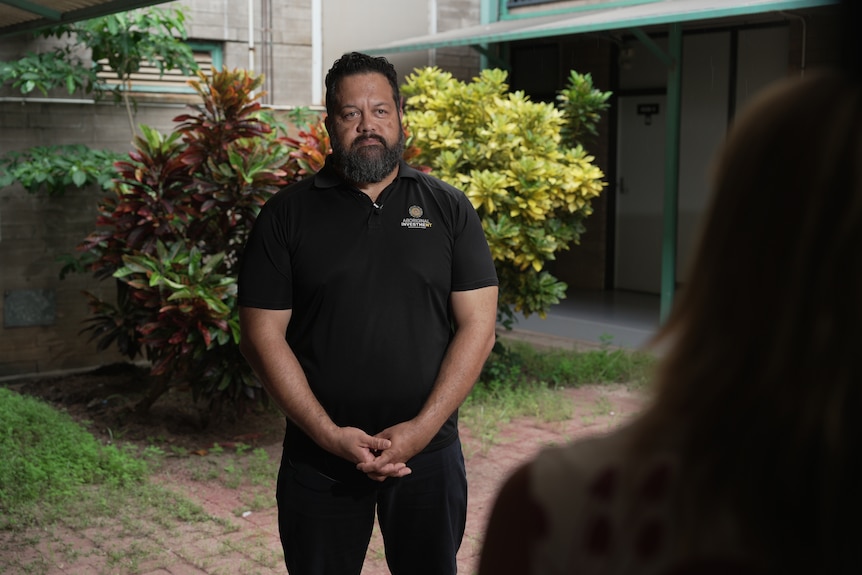
Nigel Browne says the flow of mining royalties to Aboriginal Territorians is drying up. (ABC News)
AINT chief executive Nigel Browne said a diverse range of projects had received funding so far.
“There’s one in Groote — a black-lip oyster project, a farm — but also other health services around the territory,” he said.
“A lot of people in tourism, running safari camps and that sort of thing. We’ve got young people who are getting into digital media, also fashion designers.
“So we are trying to do what we can with the finite resources we’ve got to help Aboriginal communities and uplift them.”
But Mr Browne said the flow of mining royalties was drying up as a number of major mines in the territory prepared to close.
As a result, he said, AINT had decided to give out relatively small grants of up to $1 million for community projects and $150,000 for business projects.
The body is also putting most of the royalty money — $500 million — into a future fund of investments to try to keep the pot growing, rather than allowing it to run out.
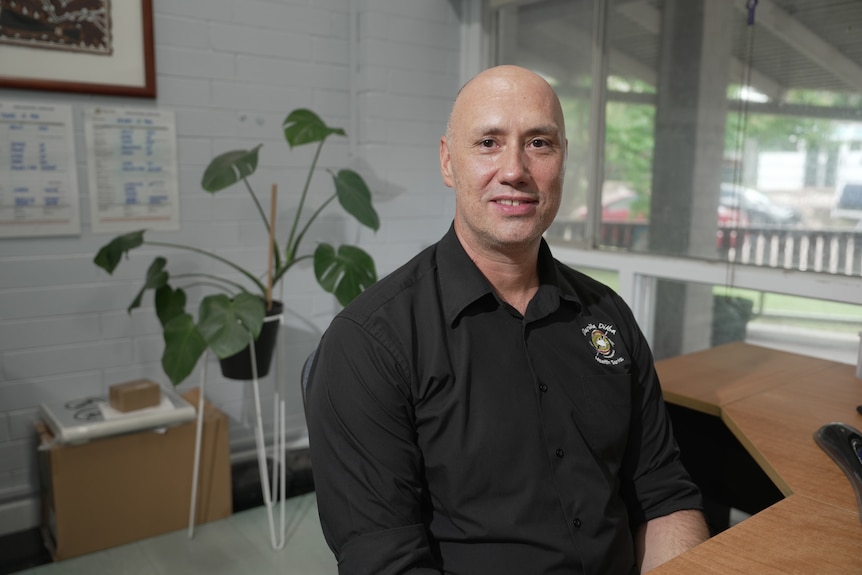
Rob McPhee says an AINT grant has helped Danila Dilba progress its plans for a new health centre. (ABC News)
“That’s why we have funding caps. We have a cap on community grants of about $10 million a year and the business grants, we gave out about $3 million,” Mr Browne said.
“But hopefully as we move along there’s more money going into the bucket, to allow us to continue with the different types of grants that we offer.”
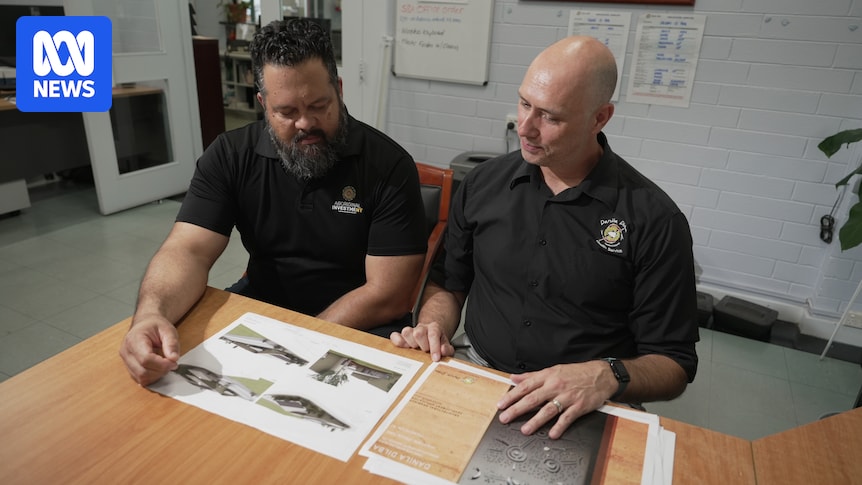
The AINT gave out $15 million in grants last year, including $1 million awarded to Darwin and Palmerston Aboriginal medical service Danila Dilba.
With its services overloaded, Danila Dilba chief executive Rob McPhee said the organisation would be using the grant to help buy the land for a new health centre it plans to build in Palmerston.
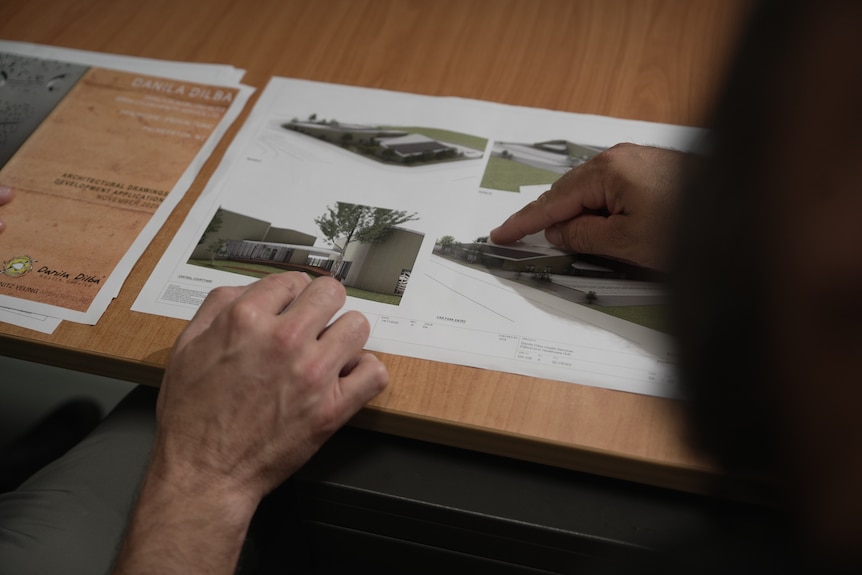
Danila Dilba’s planned health centre in Palmerston would host a range of services for clients. (ABC News: Marcus Kennedy)
He said the grant had helped Danila Dilba leverage some of the rest of the $20 million it would need to build the centre, from government and other funders.
“When you’ve got multiple funding sources for a project of this size, it helps de-risk it from each of the individual funders and so it just meant that it was much easier for us to leverage other funding if we had other commitments,” Mr McPhee said.
Investment approach criticised
AINT’s investment approach has been criticised by some veteran analysts, including Australian National University (ANU) Indigenous economic policy researcher and visiting fellow, Michael Dillon.
He said its approach risked not making the most of the royalties money.
“I don’t think the small grants are going to deliver the benefits that we’re looking for here,” Mr Dillon said.
“The passive investment approach and just spending $15 million or $20 million a year is not going to change anything.
“I think it’s important for an entity like Aboriginal Investment NT to focus on its core business, and I think its core business ought to be to identify a proactive investment strategy that delivers benefits across the board for the vast bulk of Aboriginal people in the NT, not just a small number.”
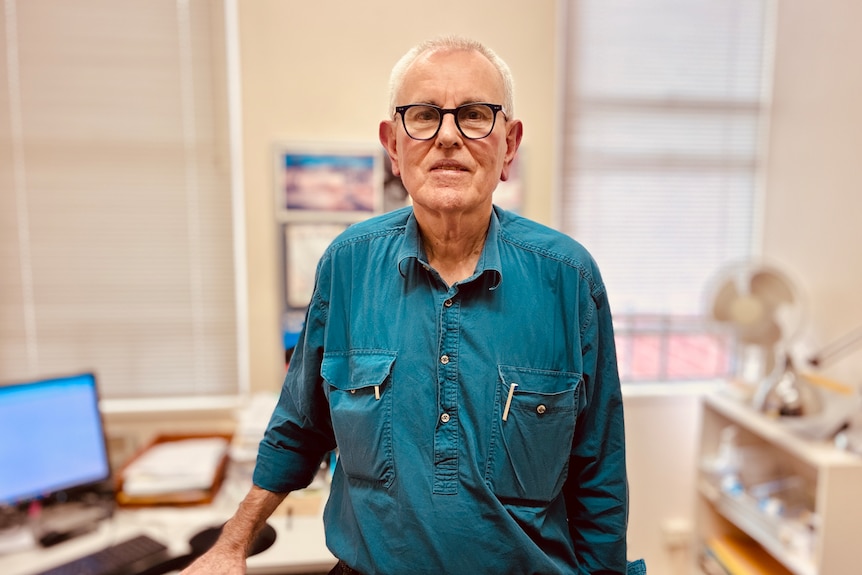
Michael Dillon is encouraging Aboriginal Investment NT to be more ambitious. (ABC News: Joel Wilson)
Mr Dillon is calling on AINT to fund bigger Indigenous businesses that could generate investment returns.
He said Alice Springs-based Aboriginal business Centrecorp, which was set up by the Central Land Council in the 1980s and now owns $250 million worth of businesses, including rental accommodation, shopping centres and car dealerships, represented a good model.
Mr Dillon suggested AINT could establish businesses such as an NDIS disability services provider or a builder of remote community government worker rental accommodation.
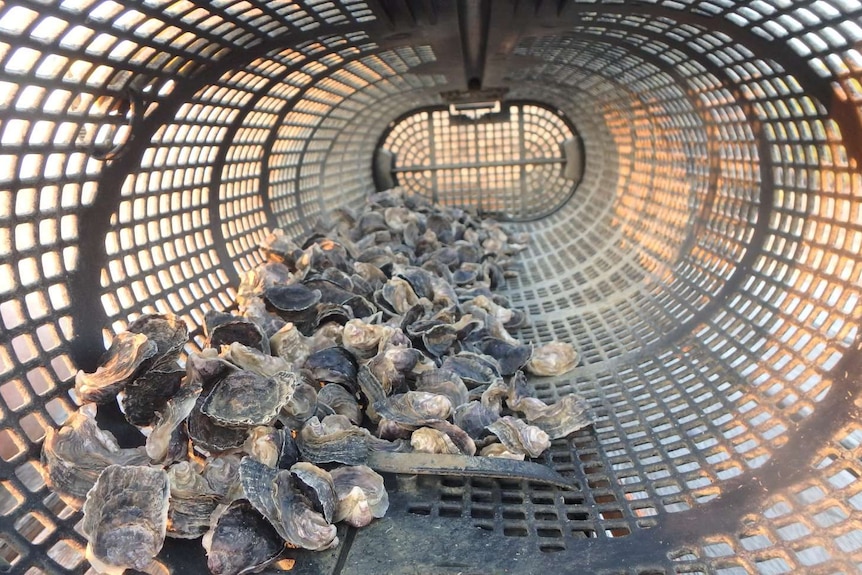
A black-lip oyster farm is one of the projects funded by AINT. (Facebook: Fisheries NT)
“The model would be to use the capital base to build this housing, and then to enter into long-term leases with the government or other people keen to utilise these housing assets,” he said.
“There are ways where this fund, if it’s utilised in a strategic way, can deliver significant benefits to people right across the territory, and after all, these are the most disadvantaged people in the country.”
ANU researcher Jon Altman has also studied the impact of Indigenous mining royalties over decades.
“Aboriginal Investment NT has very bold ambitions, but the resources at its disposal are quite limited and it’s got huge challenges because there is extraordinary need in the Northern Territory,” he said.
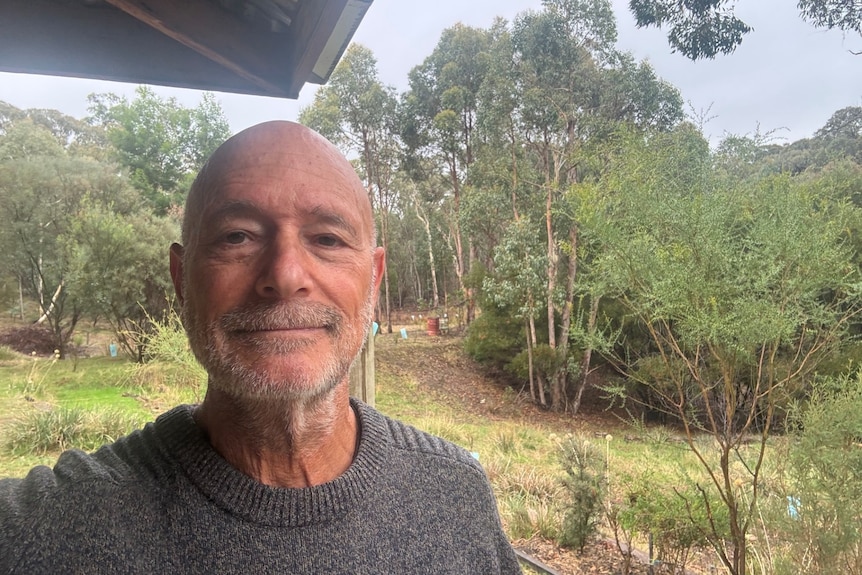
Jon Altman says Aboriginal Investment NT is facing challenges. (Supplied)
Mr Altman said because AINT was required by the federal government to commit to an investment strategy before it passed over funding to government control, it now appeared to be locked into its future fund strategy, which could limit its chances of using the money to create the greatest impact.
“One of the negatives is that if opportunity arose to invest a high proportion of the $500 million in the future fund, it is now constrained in doing that,” he said.
PM announces $840m for remote NT
But Mr Altman said if AINT’s investment strategy and grants proved successful, the federal government should consider transferring more of the additional $800 million of Indigenous mining royalties it held in its Aboriginals Benefit Account to the new body.
Mr Browne said AINT may consider funding bigger projects in future and helping project proponents link up with other sources of investment capital.
“We can consider different grants of different sizes, absolutely, but one of the other things we can do is draw upon additional investment partners and opportunities,” he said.
“There are things that we are looking at that potentially will be attractive to superannuation funds, and other private investors.”