

April 14, 2026 — 2:30pm
Save
You have reached your maximum number of saved items.
Remove items from your saved list to add more.
Save this article for later
Add articles to your saved list and come back to them anytime.
Got it
AAA
Sydney community broadcaster 2SER could close its doors after more than 45 years, having failed to secure rescue funds after one of its two main financial backers walked away from the radio station last year.
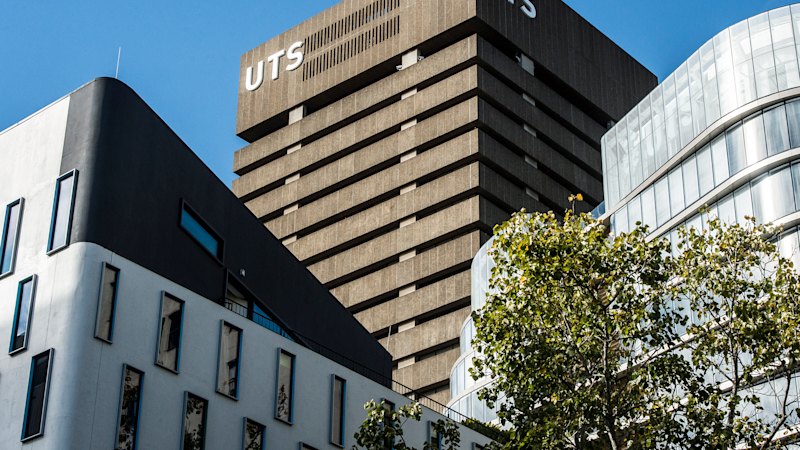
The radio station operates out of University of Technology Sydney (UTS) premises. Station manager Cheryl Northey told staff on Tuesday the failure to replace the funding previously provided by Macquarie University was detrimental, and that the station could shutter as soon as July.
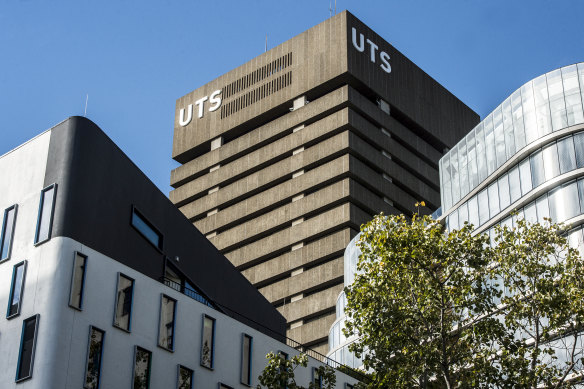 UTS-based community radio station 2SER is on the brink.Steven Siewert
Northey explained a range of options for the broadcaster in an email to staff on Tuesday afternoon, though privately has insisted to colleagues she is working with the station’s board to secure alternate funding or other avenues to ensure the survival of the long-running station. 2SER has been the breeding ground for many high-profile journalists and radio stars.
While the announcement was made to staff, three sources with knowledge of the matter, not authorised to speak publicly, said other universities such as the University of NSW and Sydney University weren’t approached to replace the shortfall until a month ago, even though Macquarie had pulled out in September.
Macquarie’s decision in September should have raised alarm bells, but funding prospectuses weren’t sent through to potential new partners until mid-March, with a March 31 deadline, one source said. University grant applications and approval processes usually take months.
Northey has been contacted for comment.
‘The question we have is, how did it get to this without anybody in the community realising how dire the situation was?’
Former ABC announcer Robbie Buck
Owned and funded by two Sydney universities, UTS and Macquarie, 2SER is based in the former’s Ultimo campus next to the ABC’s headquarters. High-profile alumni include ABC personality and former announcer Robbie Buck, Labor minister Tanya Plibersek, who studied journalism at UTS, former ABC Sydney station manager Steve Ahern, former ABC journalist Michael Rowland and former Triple J content director Richard Kingsmill.
Community radio, alongside other university-funded programs, has suffered in recent years for several reasons, including international student fees drying up.
Northey told staff that she and the board had explored the option of securing one or more new university partners, though it has become clear that “we now need to carefully consider alternative long-term models that could provide the stability the station needs”.
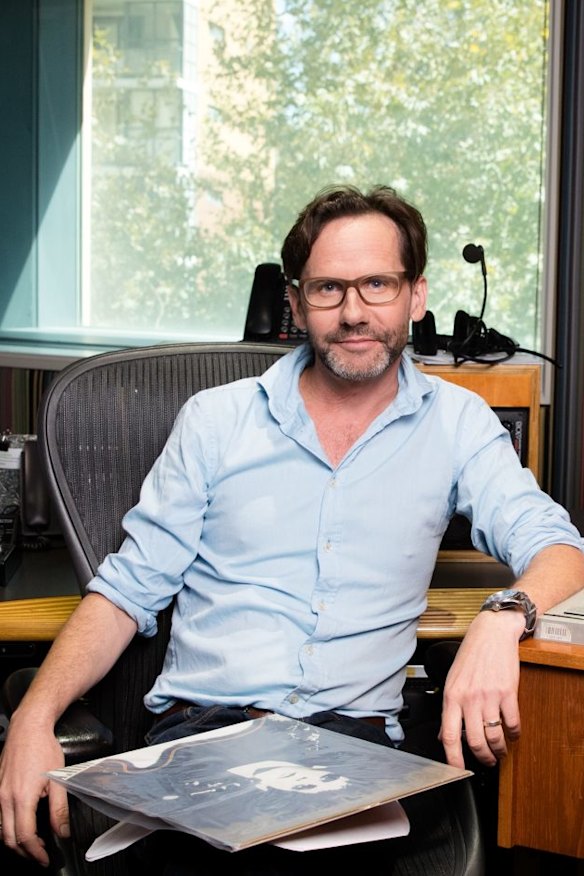 Former 2SER staffer Robbie Buck said he was perplexed to see the real possibility of the station closing.Janie Barrett
Other options considered include transferring the broadcast licence to another not-for-profit community interest group that could operate on a lower-cost basis.
“Should the station close this year, which could be as early as July, 2SER must do the right thing by our staff,” she said. “A decision to close would not be taken lightly, and work is being done to avoid that.”
Despite the financial constraints, 2SER’s audience grew by 20 per cent in 2024, according to its annual report, and the station was buoyed by a series of minor grants by the likes of Meta and the Walkley Foundation, which contributes more than $200,000.
Macquarie University pulled its funding of the station it co-owns in September. It had paid $325,000 in 2024, ahead of UTS’ core funding of $300,435. UTS also contributes through a series of other grants, which take its total payments to just over $400,000 annually.
Macquarie’s decision “aligns with the university’s responsibility to balance its core missions of education and research with long-term financial sustainability”, it said in a statement last year, adding that it gave 2SER 15 months’ notice to facilitate planning and transition.
Buck, a lifetime paying member and former staffer, told this masthead that he and others were perplexed to see the real possibility that an “institution and pillar of Sydney culture” could be wound up in just a few months’ time.
“The question we have is, how did it get to this without anybody in the community realising how dire the situation was?” Buck said.
“UTS is a billion-dollar-plus enterprise. The funding from UTS is less than half a million dollars per year. We see no reason why even after Macquarie has pulled this funding, there couldn’t be a paired-back version of 2SER that continues with just UTS funding until further funds are found.”
UTS is unlikely to top up its payments to make up for the Macquarie shortfall, having introduced cost savings of up to $100 million for its own operations in September. While its total revenue from teaching, research and other activities in 2024 was $1.31 billion, it had an operating loss of $81 million, according to its annual report.
Related Article
A statement from UTS confirmed it remains committed to supporting the station, but only at its “current level” of both financial, infrastructural and any other forms of support.
“We’re working closely with the 2SER leadership to help secure another partner to replace Macquarie and ensure the necessary governance and financial partnership support continues,” said Alana Piper, UTS deputy vice chancellor and head of external engagements and partnerships.
“Whilst efforts to find a partner have not yet been successful, we are hopeful that other universities that share a commitment to student learning and community engagement may step in to support 2SER,” Dr Piper continued.
2SER had an operating surplus of $80,000 in 2024 after receiving revenue of $1.23 million in total. Its total employee expenses are about $700,000. The vast majority of its revenue is derived through grants, although it also receives revenue from listeners and sponsors.
While it operates as an educational and community-based station, it also serves as a training ground for journalists who have gone on to work at both public and commercial news outlets.
The Business Briefing newsletter delivers major stories, exclusive coverage and expert opinion. Sign up to get it every weekday morning.
Save
You have reached your maximum number of saved items.
Remove items from your saved list to add more.
 Calum Jaspan is a media writer for The Sydney Morning Herald and The Age, based in Melbourne. Reach him securely on Signal @calumjaspan.10Connect via X or email.From our partners