
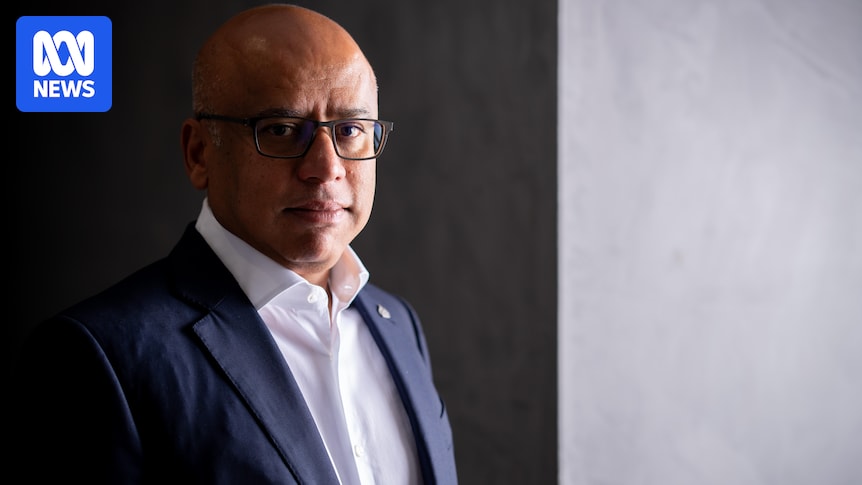
Corporate watchdog ASIC has revealed it is investigating “individuals” within steel tycoon Sanjeev Gupta’s portfolio of industrial companies.
Three of those have now collapsed in Australia, leaving workers in limbo.
Last year, the South Australian government placed the debt-ridden Whyalla steelworks into administration, with the Tahmoor Coal mine in New South Wales and Liberty Bell Bay manganese smelter in Tasmania the latest dominoes in Mr Gupta’s empire — known as GFG — to fall.
Creditors are owed millions. Greg Dawson is among more than 200 smelter workers from Liberty Bell Bay facing an uncertain future.
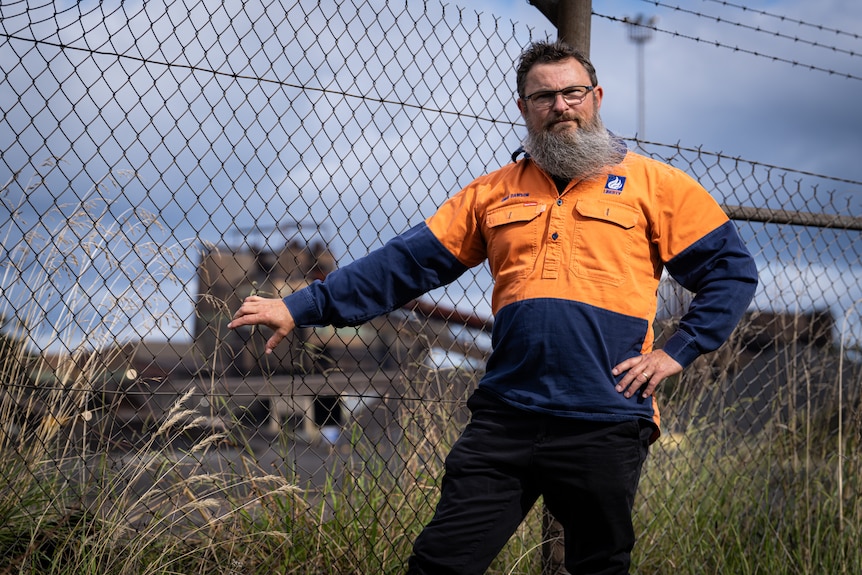
Greg Dawson worked at Liberty Bell Bay for the past 32 years. (ABC News: Mitchell Woolnough)
“A lot of us that have been there for a long time, we’re invested in the site … in some circumstances, 20, 30, 40 years. We’re friends, we’re family,” he told 7.30.
“I suppose everybody’s under stress on site.”
ASIC has been accused of responding too slowly to financial red flags within the businesses, but the corporate regulator has now told 7.30 it has several investigations underway into “related entities and individuals” within Mr Gupta’s GFG conglomerate.
“It would be inappropriate to comment on the nature and scope of those investigations at this time,” the corporate regulator said in a statement.
“ASIC has taken decisive and timely enforcement action against this complex web of private companies.”
Sydney University professor of corporate law Jason Harris described the three company failures as the “upper tier of serious financial collapses” and said it was good ASIC was investigating because it had been a “slow-moving car crash” for years.
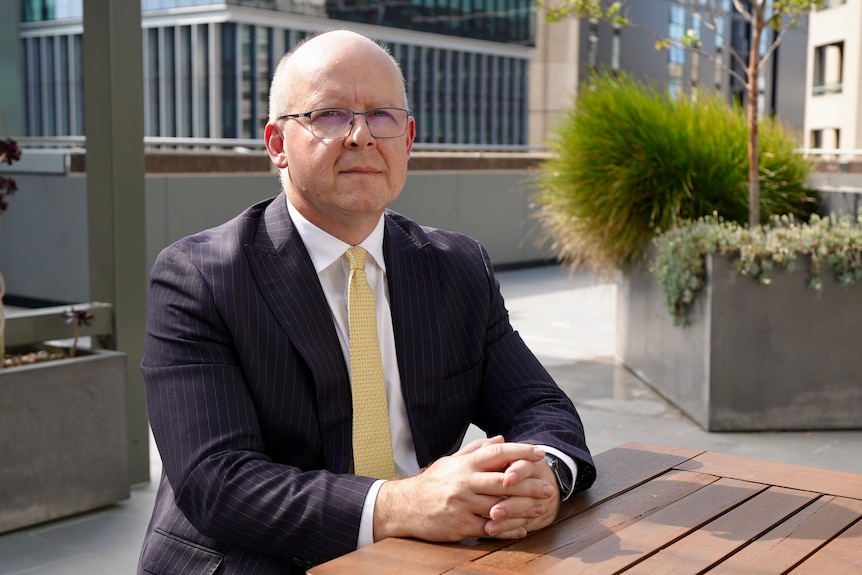
Sydney University Corporate Law Professor Jason Harris described the collapse of Sanjeev Gupta’s companies as a “slow-moving car crash”. (ABC News: Laurence Curson)
“These are businesses that have been run into the ground over years and in plain sight of regulators and industry participants,” he told 7.30.
“If you start to see things happening again and again and again, at what point do we say someone needs to be held to account here?”
ASIC did not specify what its “other active investigations” related to, but Mr Harris believed the corporate regulator should be looking at whether the companies knew they could not pay existing bills.
“I think ASIC should be asking him [Gupta] and his management team for these various companies about when they suspected the companies might be insolvent, because it’s possible that the directors have engaged in insolvent trading in each of these companies,” Mr Harris said.
Do you know more about this story? Contact Angelique Donnellan at angedonnellan@proton.me.
“I think they should be asking him about the nature of those related party transactions, because it’s possible that the directors of these companies have been acting in breach of their directors’ duties.”
Mark Bryant is looking for accountability, too. He worked as a contractor at the Tahmoor coal mine for five years and wants to know how the operation went from success to failure.
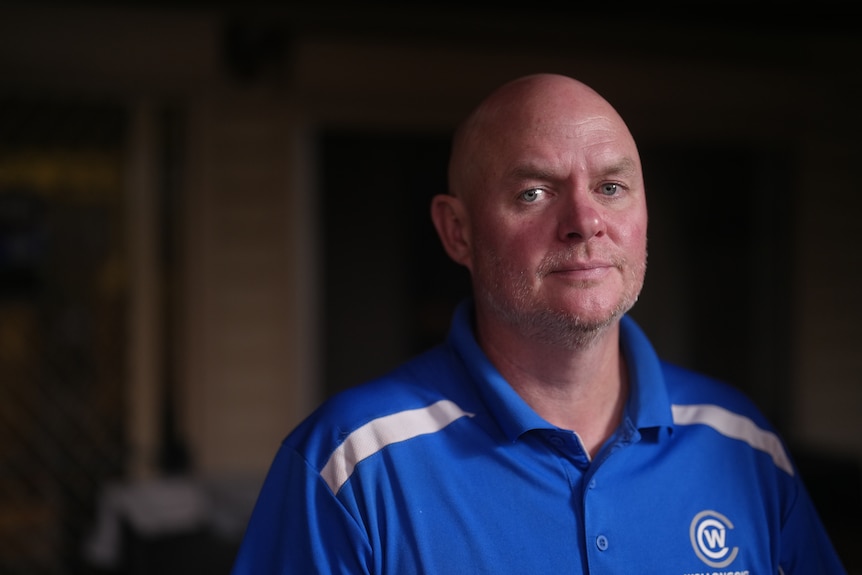
Mark Bryant worked as a contractor at the Tahmoor coal mine for five years. (ABC News: Jenny Ky)
“To have 2023-24 financial year, one of your most successful years, to then be sitting here 18 months later, having this conversation, is beyond my comprehension.
“Where’s the money gone?” he said.
The mine was placed into liquidation last month, with debts of more than $400 million — which includes substantial related-party claims. Up to 238 full-time equivalent positions have been made redundant.
Mr Bryant said Mr Gupta had come to Australia as a “knight in shining armour” but his feelings towards the businessman — who owns a harbourside mansion in Sydney — had changed.
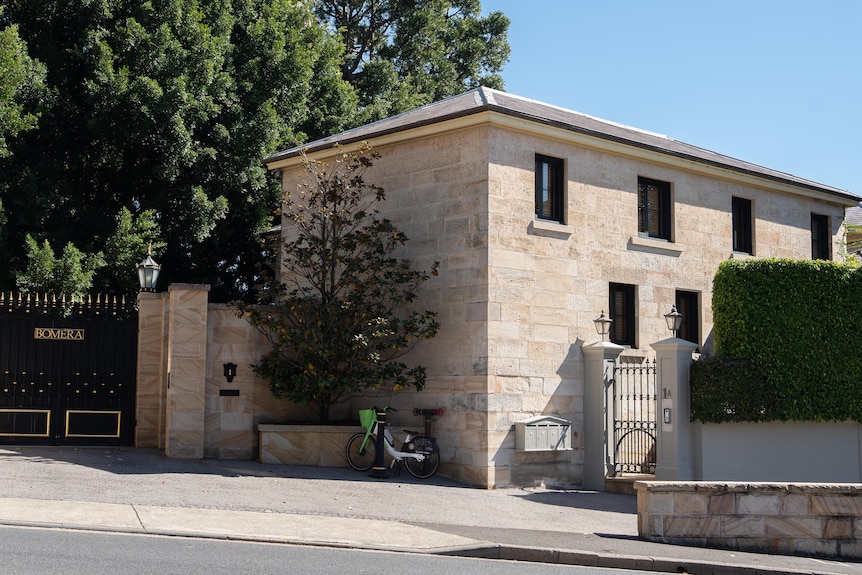
An aggrieved worker has called for Sanjeev Gupta to sell his Potts Point property ‘Bomera’. (ABC News: Shaun Kingma)
“If he’s [Gupta] in the country, he should be kicked out of the country,” Mr Bryant told 7.30.
“If you are still in the country, you can sell your assets … because I know he’s got a big house in Potts Point. Everyone knows that.
“Sell it, pay your debts, and go somewhere else.
“As far as I’m concerned, you’re not welcome.”
‘Significantly distressed assets’
In a statement, a spokesman for GFG said Mr Gupta regretted the “impact these outcomes have had on workers and their families” and said Whyalla, Tahmoor and Liberty Bell Bay were all “significantly distressed assets when acquired”.
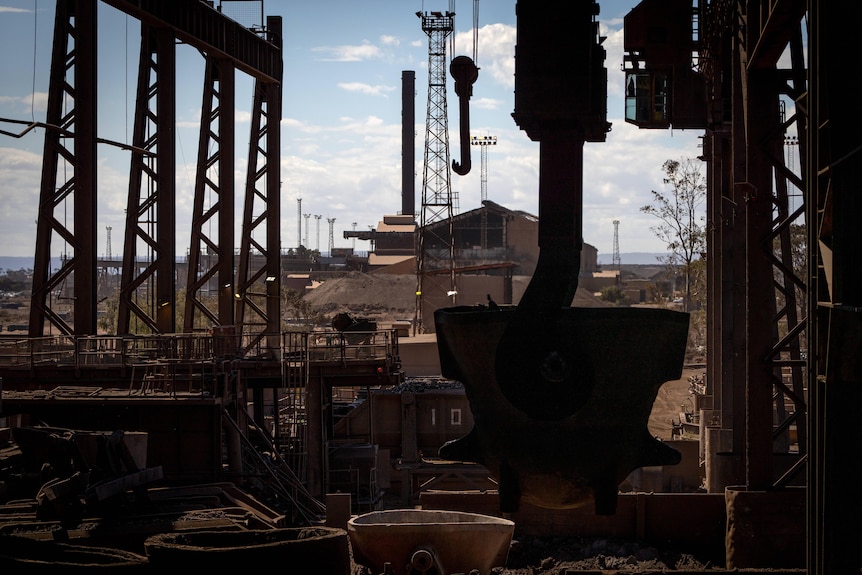
Whyalla steelworks was the first of Sanjeev Gupta’s Australian assets to collapse. (ABC News: Che Chorley)
“Substantial capital, leadership focus and sustained effort” had been invested in keeping the operations running, the statement said, and GFG had gone “above and beyond” in those efforts, to give these businesses “every reasonable chance of success”.
The statement cited the SA government’s decision to put the Whyalla steelworks into administration as having had a “severe knock-on effect” across other businesses, including Tahmoor and Liberty Bell Bay, by creating a “series of consequences” that proved “extremely difficult to contain”.
When the Whyalla steelworks was placed into administration in February last year, the administrators, KordaMentha, said the operation was losing about $1.5 million a day, was in a state of disrepair and was unsafe.
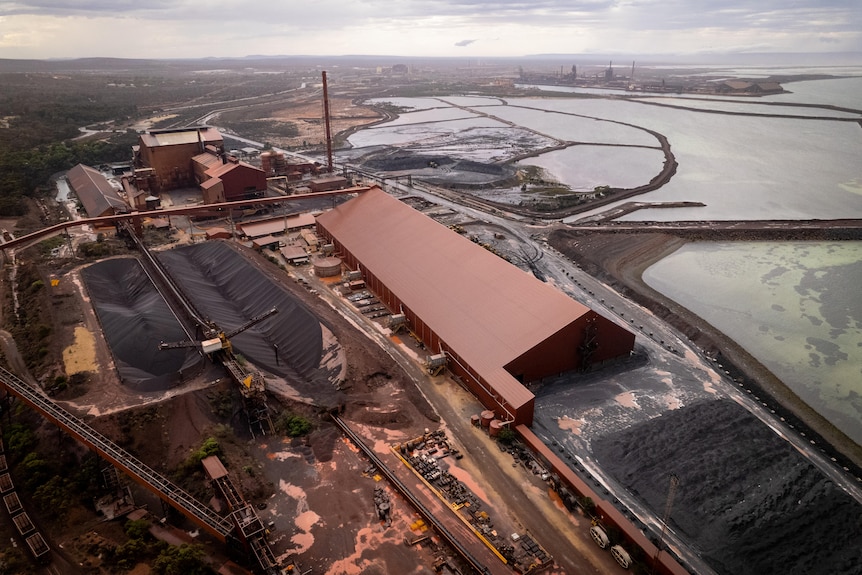
Whyalla was forced into administration by the South Australian government last year. (ABC News)
Taxpayers are facing a hefty bill, with the plant’s sale supported by a $2.4 billion state and federal rescue package.
Administrator documents show that for a fortnight’s work recently KordaMentha charged $1.3 million, equivalent to about $93,000 a day, reflecting the “significant work required to ready it [the steelworks] for market”.
KordaMentha told 7.30 that cost was because of the complexities associated with the condition of the business.
“The remuneration approved by creditors reflects the volume of work being undertaken by a large, experienced team across multiple workstreams. These assets are critical to Whyalla and to Australia’s sovereign steel industry and we remain focused on achieving the best possible outcome for creditors, employees and the Whyalla community,” the statement read.
Criticisms ASIC slow to act
Once lauded as “the saviour of steel”, Mr Gupta’s global empire has been struggling to stay afloat since the collapse in 2021 of key lender Greensill Capital, founded by Australian financier Lex Greensill.
The relationship between Greensill Capital and GFG has come under intense UK parliamentary scrutiny and the UK’s Serious Fraud Office is investigating suspected fraud, fraudulent trading and money laundering. The parties have denied any wrongdoing.
GFG’s finances are complex because the companies within the Gupta family-owned conglomerate transact with each other, including the failed Australian businesses.
Last month ASIC moved to wind up Liberty Bell Bay in Tasmania over its failure to lodge reports since 2021. A fortnight later, the smelter was placed in administration by one of its creditors.
Liberty Bell Bay entered voluntary administration in March. (ABC News: Mitchell Woolnough)
Mr Harris has questioned why the corporate regulator did not act sooner on the overdue financial reports.
“Multiple accounts being delayed year after year. That suggests that there are serious financial deficiencies inside the business,” he told 7.30.
“Surely that is enough smoke that ASIC could have taken action over the last several years,” Mr Harris said.
Liberal senator Andrew Bragg chaired a parliamentary inquiry into ASIC, which reported in 2024. He said the committee found an organisation lacking transparency, slow on enforcement and in need of restructure.
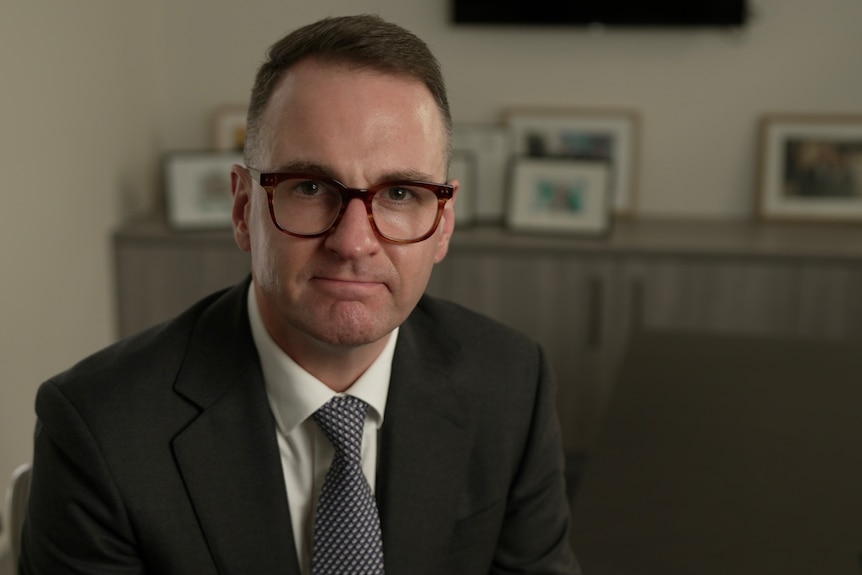
Liberal Senator Andrew Bragg chaired a parliamentary inquiry into ASIC. (ABC News: Laurence Curson)
“We made about a dozen recommendations, and none of those have been responded to by the government. The government have chosen to pretend the report didn’t happen,” he said.
“What we need in this country is lean, mean law enforcement.”
In its statement, ASIC said its inquiries began the day after Liberty Primary Metals Australia, the parent company of the Whyalla steelworks, failed to file its company reports in 2024.
“ASIC launched an investigation which revealed other related corporate entities had failed to lodge financial reports including Tahmoor Coal and Liberty Bell Bay.”
“Through ASIC’s work, the entities involved have now filed their reports, or they are in administration or subject to winding up proceedings”, the statement said.
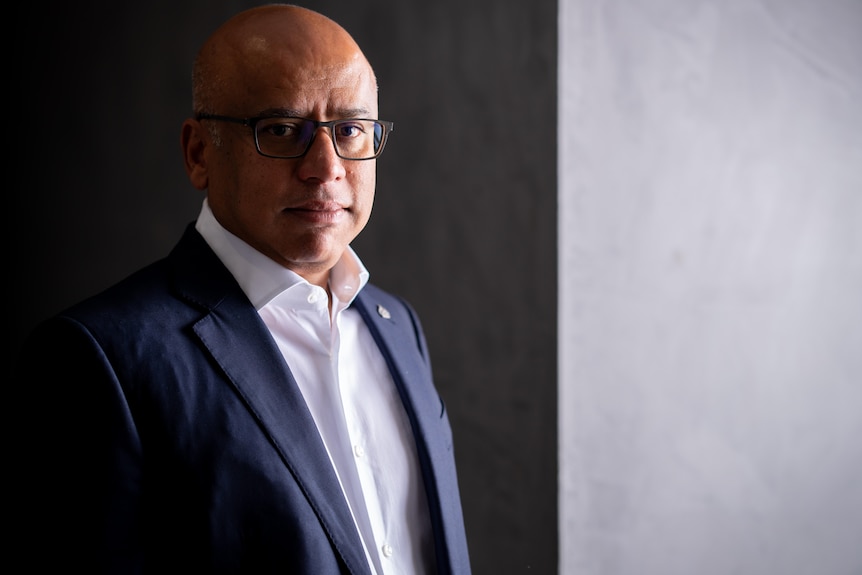
Sanjeev Gupta’s global empire has been struggling to stay afloat since the collapse of a key lender in 2021. (ABC News: Che Chorley)
A spokesperson for Treasurer Jim Chalmers said it was expected that every company “comply with its reporting obligations, and there are consequences for those that don’t”.
Mr Chalmers declined to comment on the Senate inquiry’s findings.
Workers hopeful, but scarred
Mr Gupta’s remaining key Australian steel business, InfraBuild, which has 4,800 employees, reported a $250 million loss last year. GFG said InfraBuild was a “separate business which has remained resilient despite exceptionally challenging market conditions”.
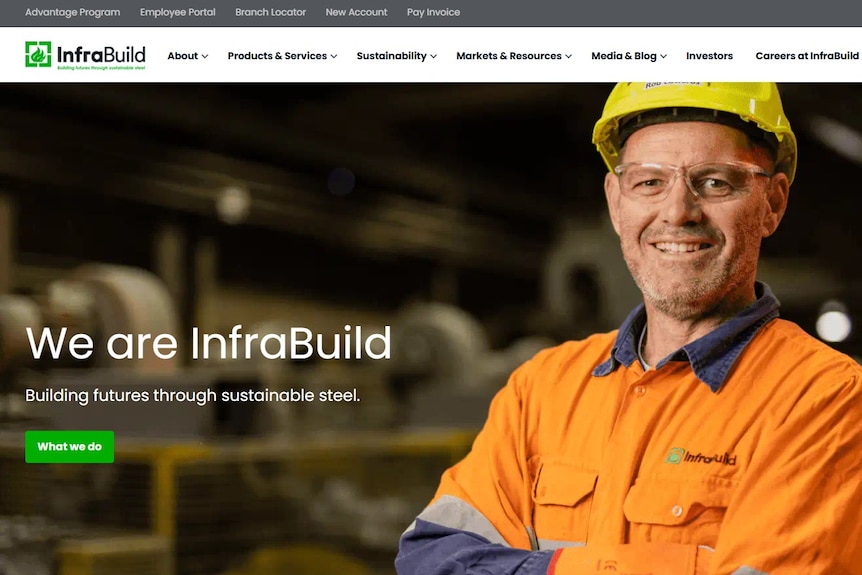
Infrabuild reported a $250 million loss last year. (www.infrabuild.com)
Buyers are being sought for the Tahmoor and Liberty Bell Bay operations.
Mr Dawson said he hoped the Tasmanian plant would have a future.
“It’s a major thing for the whole region,” he told 7.30.
“I think since the administrators came in, the future is a little bit brighter. If the administration process doesn’t continue on and it goes into liquidation, then we pretty much know where that ends.”
Mr Bryant said he would like to work at Tahmoor again if it reopened under a new owner, but said the collapse had deeply impacted him and his colleagues.
“You’ve got guys who worked there for 30, 40 years, crying as they pack their lockers up,” he told 7.30.
“It’s all business at the end of the day but I feel like what GFG have done, a lot of the boys would say it’s real personal.”
Watch 7.30, Mondays to Thursdays 7:30pm on ABC iview and ABC TV
Contact 7.30
Do you know more about this story? Get in touch with 7.30 here.