
Opinion
 Katy HallAge deputy state topic editor
April 14, 2026 — 7:00pm
April 14, 2026 — 7:00pm
Save
You have reached your maximum number of saved items.
Remove items from your saved list to add more.
Save this article for later
Add articles to your saved list and come back to them anytime.
Got it
AAA
If you’re relatively new to social media (that is, a teenager), you could be forgiven for thinking that this is how it always was. That people treating their bodies as major renovation projects that can be hacked and optimised and commercialised down to a cellular level was the way the human race has always existed.
But if you’re older than that and remember the before times, you know that something has at some point shifted substantially.
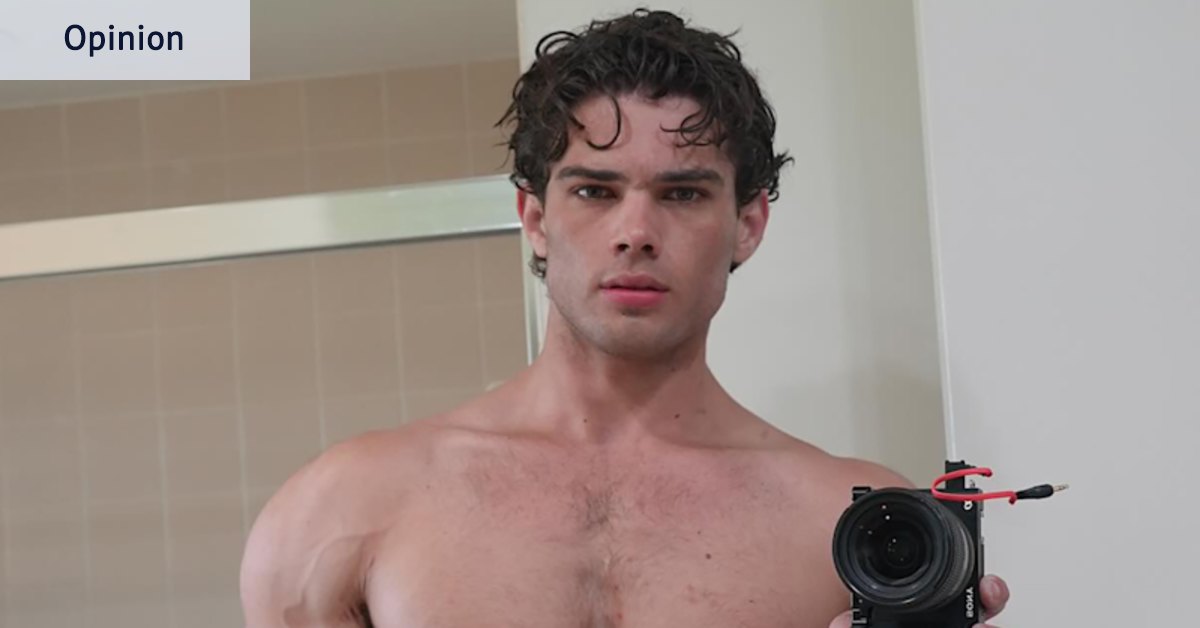
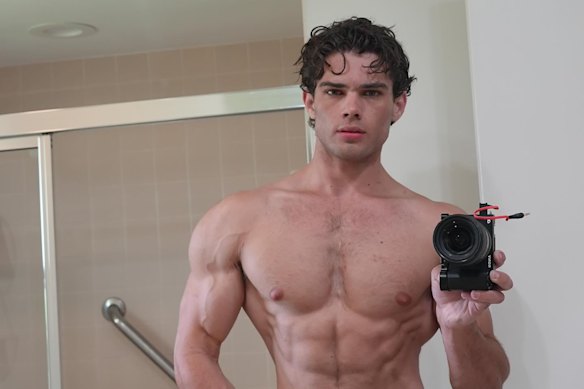 Clavicular, real name Braden Peters.Instagram
That’s why, depending on what specific strand of content the algorithm feeds you, it’s easy to see the looksmaxxing trend – where young men aspire to improve their physical appearance by any means necessary – as simply the latest version of self-optimisation. Sure, it’s extremely niche and a little weird, but it only exists within a tiny pocket of the internet and there has always been body extremism online.
On the other hand, though, the rules of engagement have radically changed from the early days of the world wide web and social media’s infancy. Back then, the unspoken agreement was tacitly understood by everybody involved in unhealthy online behaviour: the conversations about how to best starve yourself or keep concerned parents at bay took place on anonymous forums and on Tumblr threads, and in person you had to participate in a kind of mass gaslighting to pretend you weren’t doing anything.
Under the new world order, though, being a 21st century Vitruvian Man is not only accepted with mild bemusement, it’s the ticket to international fame.
Much like incels (involuntary celibates), looksmaxxers believe that to succeed in life, men need to be tall, ruggedly handsome, muscular and sporting a full head of hair. But where incels feel their life is doomed if they aren’t born looking like the offspring of Brad Pitt, looksmaxxers see genetics as the lazy man’s excuse for doing nothing.
Related Article
And they are nothing if not fastidious in their commitment to creating their perfect body. The beauty ideal is very narrow, very specific and very achievable, so long as you think injecting yourself with unregulated peptides and testosterone, using methamphetamine as an appetite suppressant, undergoing bone stretching surgery to become taller, and aspiring to create the optimal biacromial (shoulder) width is normal.
Their ringleader, Braden Peters, who is best known by the moniker Clavicular, has risen to fame by detailing every intricate detail of his daily regimen and sharing the extremes he is willing to go to, to one day reach the pinnacle of looksmaxxing: ascension (translation: be attractive to women and have a successful life). That includes hitting himself in the face with a hammer to create micro-fractures and, he reasons, create the perfect jawline.
Every day, Peters and his most ardent disciples spend hours detailing their workout routines, their diets and the cocktails of off-market experimental drugs they’re injecting into their bodies. They post progress photos and provide feedback to each other on how to do better and further optimise.
Far from being niche, their content views and follower counts now stretch well into the tens of millions.
But if you strip away the hype and move past the lunacy of teenagers attempting DIY plastic surgery in their bedrooms, this behaviour is still the same old body dysmorphia and disordered eating that’s been around forever, just with a new name and a trending hashtag.
“Most people would recognise BDD [body dysmorphic disorder] and eating disorders as serious mental health conditions,” says Professor Gemma Sharp, an expert in body image and eating disorders at Adelaide University.
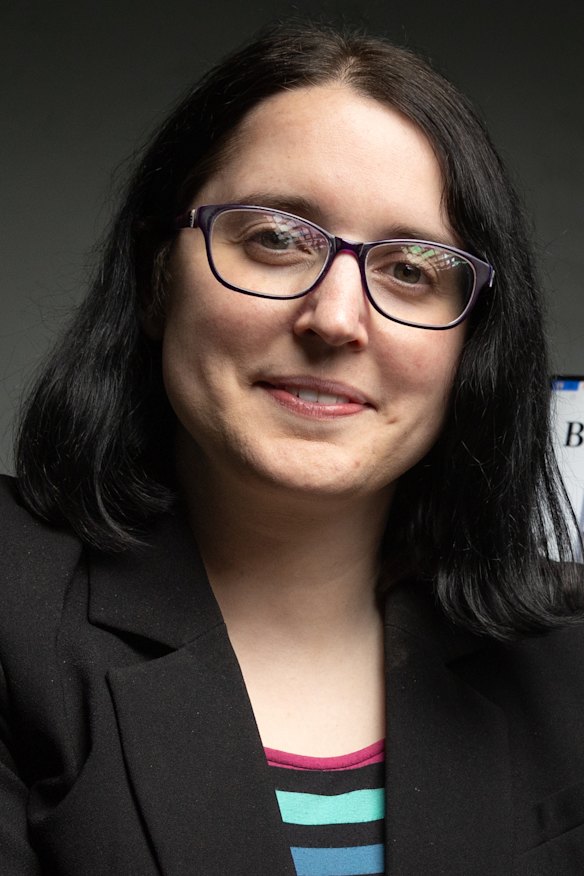 Professor Gemma Sharp.Jason South
“What has changed is visibility. These experiences are discussed much more openly, particularly on social media.”
Now for the first time in history, boys and men are the fastest-growing cohort experiencing eating disorders. In Australia, about 30 per cent of teenage boys report engaging in disordered eating, and among that, the most common practice is avoiding or restricting food intake, according to the National Eating Disorders Collaboration.
The number of boys and men suffering muscle dysmorphia, where they obsess over their physique, is also rapidly increasing and far more common among males than females. Unsurprisingly, for many boys and men, the prevalence of social media is strongly tied to these changes.
When social media companies were last month found liable for creating addictive products that caused harm in separate US court cases, the justice system recognised what many people have known for years now – that these platforms are designed not with the wellbeing of users in mind, but rather to be addictive and keep people online for longer.
In the first case, a jury in New Mexico found that Meta, the parent company of Facebook and Instagram, had violated the state’s consumer protection laws and misled consumers about the safety of their platforms. The following day, a Los Angeles jury found Meta and Google, as the parent company of YouTube, were both negligent in the designs of their platforms and awarded a single plaintiff almost $US6 million ($8.5 million) in damages.
Related Article
The second case hinged around a woman known only as KGM, who joined YouTube when she was six years old and Instagram by nine. The court heard that by the age of 10, she was experiencing depression, and due to her addiction to social media had engaged in self-harm. Despite all of that, she told the court that even now, “it’s too hard to be without” social media. Coincidentally, KGM is the same age as Peters.
In an interview with 60 Minutes, Peters was asked if he feels responsible for any harm his behaviour and content may inadvertently cause others. As someone who would have no living memory of a world without social media, his answer was surprisingly prescient, considering just how successful social media companies have been at saying everybody but them is to blame for the social havoc being wreaked by their products.
“Why is that a responsibility on me?”
Katy Hall is a regular columnist and senior editor.
Crisis support is available from Lifeline 13 11 14.
The Opinion newsletter is a weekly wrap of views that will challenge, champion and inform your own. Sign up here.
Save
You have reached your maximum number of saved items.
Remove items from your saved list to add more.
 Katy Hall is deputy state topic editor. She was previously the deputy opinion editor for The Age.From our partners