
A parliamentary inquiry has heard a NSW regional school predicts it will lose students if a waste incinerator is built a few kilometres away from its campus.
A NSW upper house committee is investigating proposed energy from waste incinerators that would burn Sydney’s red bin rubbish to produce electricity.
The regional areas of Parkes, Tomago, Lithgow and Goulburn were picked by the previous state government as suitable locations for the waste plants.
The $1.5-billion Parkes Energy Recovery facility is slated to burn 700,000 tonnes of rubbish per year, if approved.
The committee, which visited Parkes on Tuesday, is probing the planned technology and its impact on human health, agriculture, soil and water.
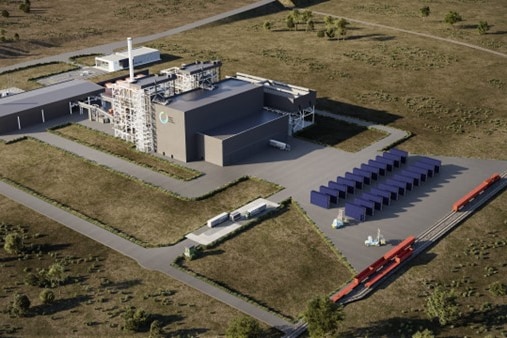
An artist’s impression of the Parkes waste to energy facility. (Supplied: Parkes Energy Recovery )
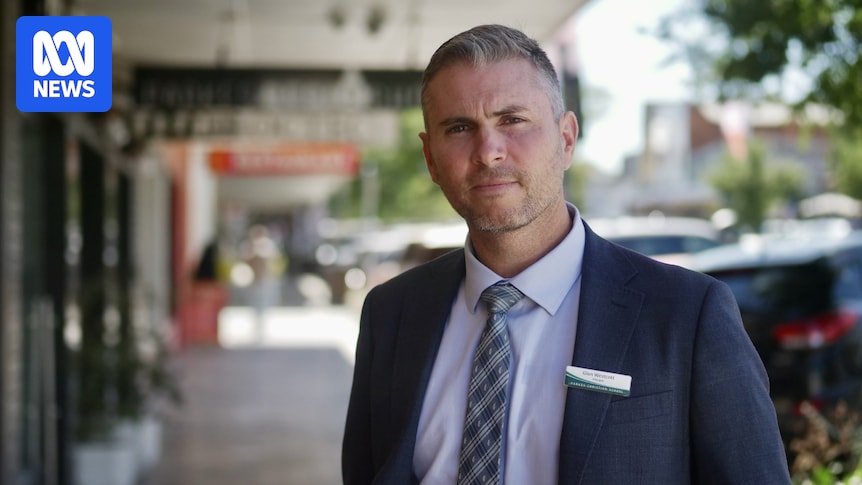
Principal of the Parkes Christian School Glen Westcott told the inquiry the incinerator could be “catastrophic” for its population.
“It’s not just people having a whinge … there are parents and staff who would strongly consider leaving the school community and Parkes,” he said.
The school is in the middle of a 12-year master plan that will cost $22 million, and Mr Westcott said that was intrinsically tied to student numbers.
He gave evidence that the school had grown from 160 pupils nine years ago to 430 today, and expected to begin 2027 with close to 500 students.
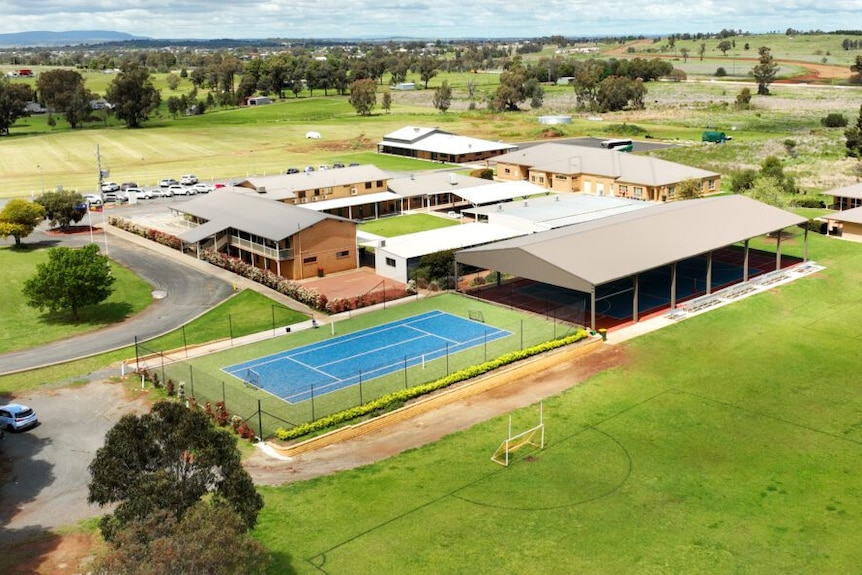
The Parkes Christian School is undergoing a $22 million master plan to cater for growing student numbers. (Supplied: Parkes Christian School)
He said putting science aside, the biggest problem the community faced was its perception of the project.
“If we get 30 years down the track and finally discover that it was safe but we lost 30 per cent of our enrolments in the process it makes no difference, the damage is already done,” he said.
Damage to sacred sites
A collection of First Nations groups voiced their concern about potential toxins damaging significant environmental and cultural sites.
Chair of the Peak Hill Bogan River Aboriginal Advisory Committee, Karryn Schaefer, said she was worried prevailing winds could blow corrosive particles to the Snake Rock Aboriginal Area and its artworks.
“Snake Rock is a culturally significant and protected site that is not open to the public at all,” she said.
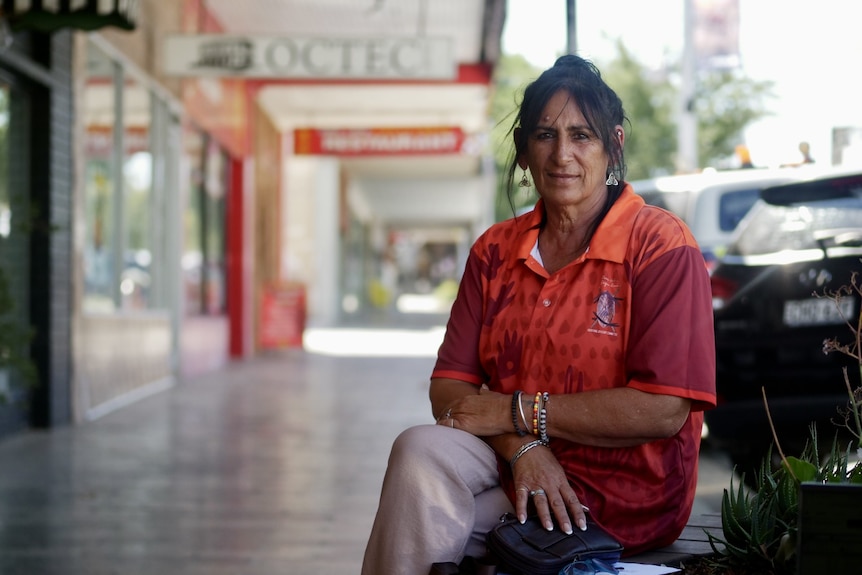
Karryn Schaefer says she does not want the development to damage sensitive sites like Snake Rock Aboriginal Area. (ABC Central West: Lani Oataway)
“This site as others sit within the impact pathway of this proposal.
“What touches country touches us — our bodies, our food and our spirit.”
Chairperson of the Peak Hill Local Aboriginal Land Council, Aunty Frances Robinson, said she felt dismayed she was involved in one consultation meeting about a development that could have major impacts.
“Water is the bread of life,” she told the inquiry.
“Do you think I’m going to agree to some sort of monstrosity that will wreck what I’ve got out there?”
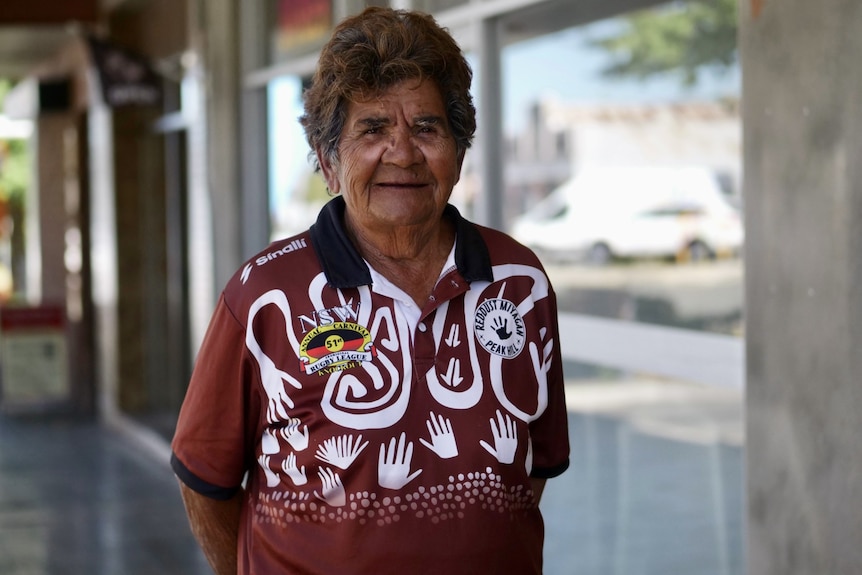
Frances Robinson says she is worried the project could damage the environment. (ABC Central West: Lani Oataway)
Council and local groups oppose project
Parkes mayor Neil Westcott told the committee the lack of information and consultation led his council to object to the incinerator.
“The people of Parkes do feel abandoned and betrayed by the NSW government,” he said.
“If [incinerators] are safe show us the evidence, if not then stop right there.”
Councillor Joy Paddison said 6,500 people from the 8,000-strong town signed a petition against the project, while 70 per cent of respondents to a survey run by the independent Orange MP Phil Donato opposed the development.
“When does no mean no? Thousands of people don’t want it,” Cr Paddison told the inquiry.
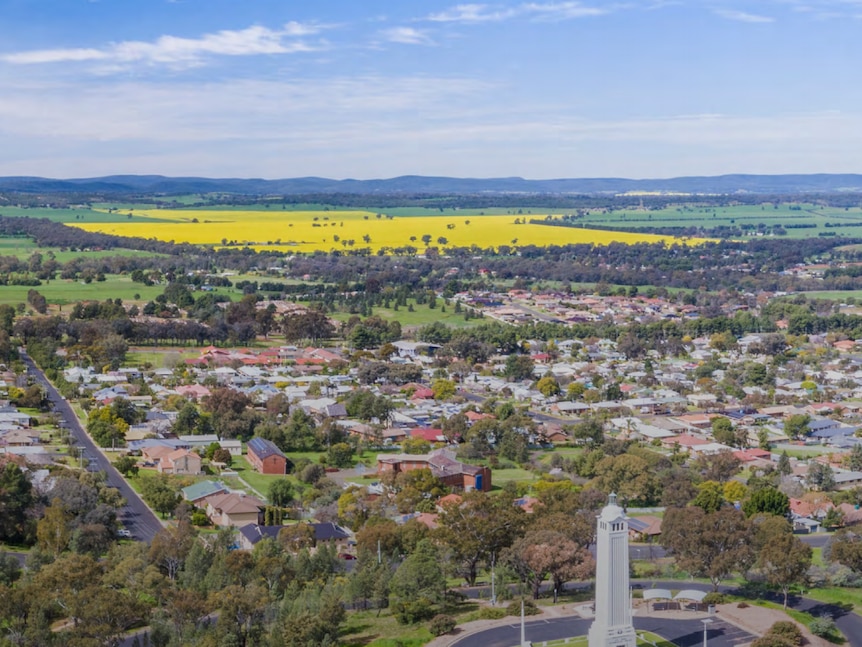
The incinerator is proposed to be built near the town of Parkes and burn 700,000 tonnes of Sydney’s waste per year. (Supplied: NSW Government)
“If Sydney said no, twice, why is it acceptable here?”
The Parkes Clean Future Alliance, which stands against the proposal, also raised the lack of detail about the project and its emissions.
“If it can prove [it’s safe] there shouldn’t be any issue,” said group member Jacob Unger.
The Peak Hill branch of the NSW Farmers Association told the inquiry it was concerned about what pollutants released by burning rubbish could contaminate their water and soil, and how that might compromise their ability to sell stock and crops.
Community speaks
The committee opened up the floor to members of the community in a public forum to close the day’s hearing.
Although the overwhelming majority of speakers opposed the project, there were a few residents who voiced their support.
Resident Christine Carter said it would bring a “huge benefit” to the shire.
“I understand there’s still much to be researched … so let’s not assume the facility will be a threat to our health and livelihood until proven,” she said.
“Waste to energy is the future, let’s make Parkes the vanguard for this technology in our country.”
Francis Kennedy told the inquiry he was concerned about how those opposing the incinerator have presented the project.
“That scaremongering has caused a lot of damage to the community and Parkes as a whole.”
The committee has planned further hearings in Sydney and Goulburn next month before it develops its findings.
In a statement, Parkes Energy Recovery said the proposed facility would have a range of benefits including “the diversion of landfill, reduction in methane, significant financial contributions and the creation of long-term, local, skilled jobs for the next generation”.
Director Ed Nicholas acknowledged concerns raised by residents but said the design, construction and operation of any approved facility would be safe and transparent.
He said the company was collecting evidence in response to environmental assessment requirements.
“The findings of these assessments will answer many of the questions and concerns we heard this week, including detail on emissions, human health and agricultural land protection, and will be made public before any decision is made,” Mr Nicholas said.