
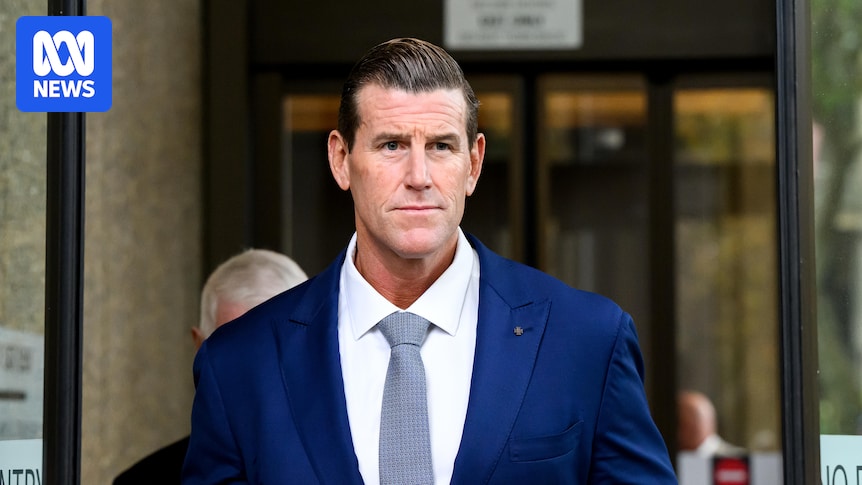
Australia’s most decorated living soldier, Ben Roberts-Smith, is expected to make a bid to be released on bail today after spending more than a week in custody over allegations of war crimes.
The 47-year-old, who consistently denied the allegations throughout a high-stakes defamation case he lost against Nine newspapers, was arrested last Tuesday at Sydney Domestic Airport after flying in from Brisbane.
That civil test is different from the criminal test now before the courts, where prosecutors must prove allegations beyond a reasonable doubt.
He has been charged with five counts of the war crime of murder and has been in custody on remand at Silverwater Prison Complex, in the city’s west.
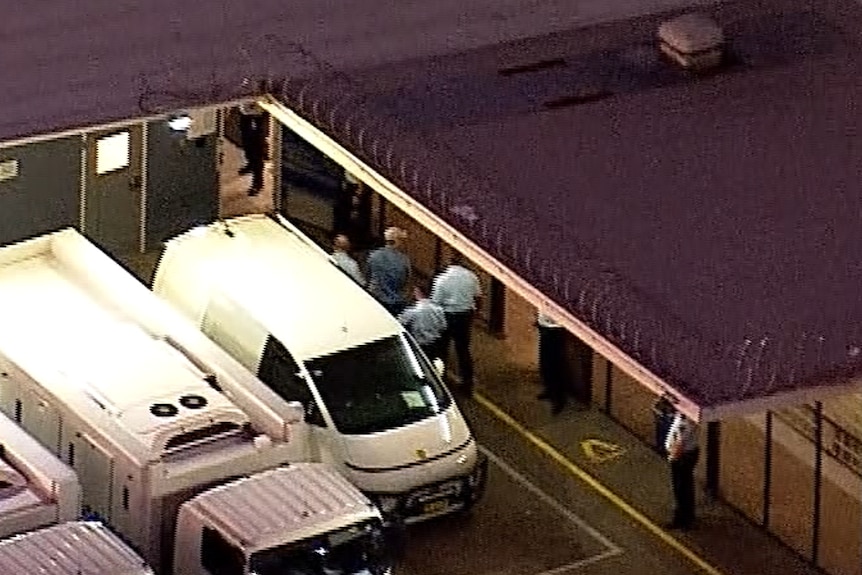
Mr Roberts-Smith being escorted to Silverwater Prison after his arrest last week. (ABC News)
The charges follow a joint investigation by Australian Federal Police (AFP) and the Office of the Special Investigator (OSI) undertaken since 2021.
Investigators allege the victims were unarmed Afghan nationals who were not taking part in hostilities at the time of their deaths in 2009 and 2012, who were shot by the accused or by subordinate defence force members under his orders.
Fresh bid for bail expected this morning
When the case first came before a virtual court last week, Mr Roberts-Smith did not appear, and his lawyers said they would not be applying for bail.
But they are expected to launch a bid for his conditional liberty before a Local Court judge in Sydney’s Downing Centre this morning.
Defendants usually have one chance at that application in the Local Court, but they can also make bids in the NSW Supreme Court.

Mr Roberts-Smith was arrested on a flight arriving from Brisbane at Sydney Airport. (Supplied: Australian Federal Police)
The key tests to be applied in a bail decision are laid out in the state’s Bail Act.
Given the serious nature of the charges against Mr Roberts-Smith, his legal team will need to convince the court that his continued detention is not justified.
This is known as the “show cause” requirement.
They must also overcome another hurdle known as the “unacceptable risk” test.
While it remains unclear how Mr Roberts-Smith’s specific application will unfold, there are some common arguments raised during these types of bail hearings.
How it may play out
When prosecutors oppose bail, they typically identify concerns such as a risk of failing to appear in court, committing further offences, interfering with witnesses or evidence, or a risk to the safety of the community or others.
They may cite one or a combination of those asserted concerns, depending on what is relevant to the case, to argue that there is an unacceptable risk if a person is granted bail.
When the defence seeks to counter these risks, it typically proposes conditions that would serve as mitigation.
A court may grant bail with conditions if it is satisfied that the conditions are sufficient to overcome bail concerns.
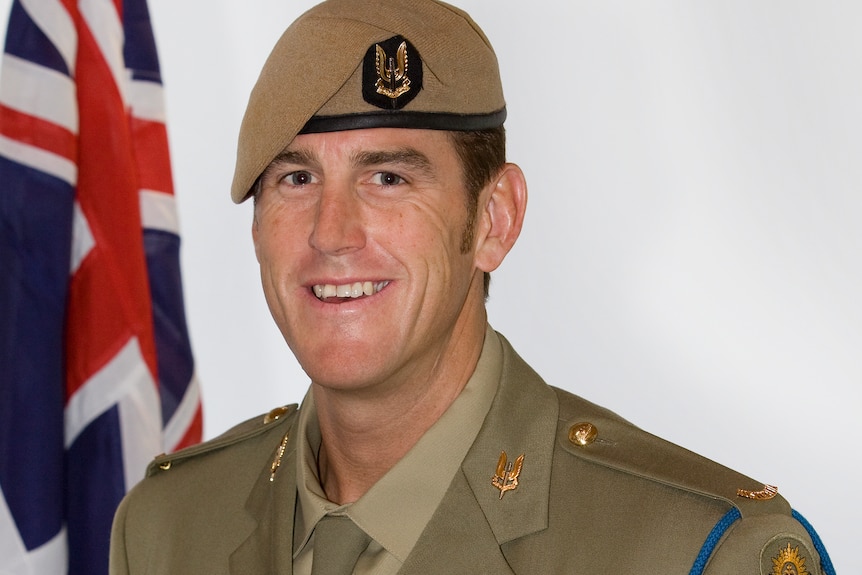
Mr Robert-Smith received a Victoria Cross for his action during his fifth tour of Afghanistan. Now he is accused of committing the war crime of murder. (Supplied)
Common conditions include curfews, reporting to police stations on set days of the week, surrendering a person’s passport, requirements to notify authorities of travel, or a prohibition on contacting potential witnesses.
Other factors that can be relevant to a court’s bail determination include the strength of the Crown case, the defendant’s background, their circumstances and community ties, their need to prepare a defence, or the amount of time they may remain in custody if bail is refused.
The case against Ben Roberts-Smith
According to court documents, two of Mr Roberts-Smith’s charges relate to the deaths of two men identified as Mohammed Essa and Ahmadullah at Kakarak, in Afghanistan’s Uruzgan province, in April 2009.
Another charge is related to the death of a man identified as Ali Jan, with an allegation that Mr Roberts-Smith aided, abetted, counselled or procured another person, identified as “Person 11” in the documents, to intentionally cause his death at Darwan in September 2012.
In October 2012, Mr Roberts-Smith was accused of being involved in two murders at Syahchow, with the men identified as “Person Under Control 1” or “Enemy Killed in Action 3”, and “Person Under Control 2” or “Enemy Killed in Action 4”.
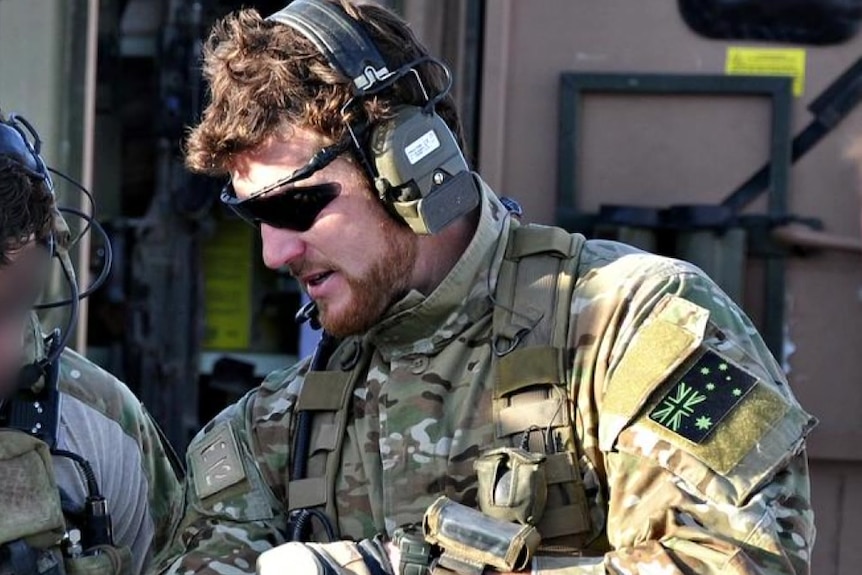
The allegations against him relate to several of his tours to Afghanistan with the SAS between 2009 and 2012. (Supplied)
Mr Roberts-Smith is yet to enter pleas to the charges.
The defamation case resulted in a Federal Court judge ruling that, on the balance of probabilities, there was substantial truth to Nine’s published allegations of four murders.
The Victoria Cross recipient continued to deny wrongdoing and attempted, unsuccessfully, to have that result overturned before the Full Court of the Federal Court, and then to have the High Court hear the case.
In September, the High Court refused that request, shutting down his final legal avenue to overturn the civil ruling.
In a criminal case, the allegations will need to be proven to the higher standard of beyond reasonable doubt.