
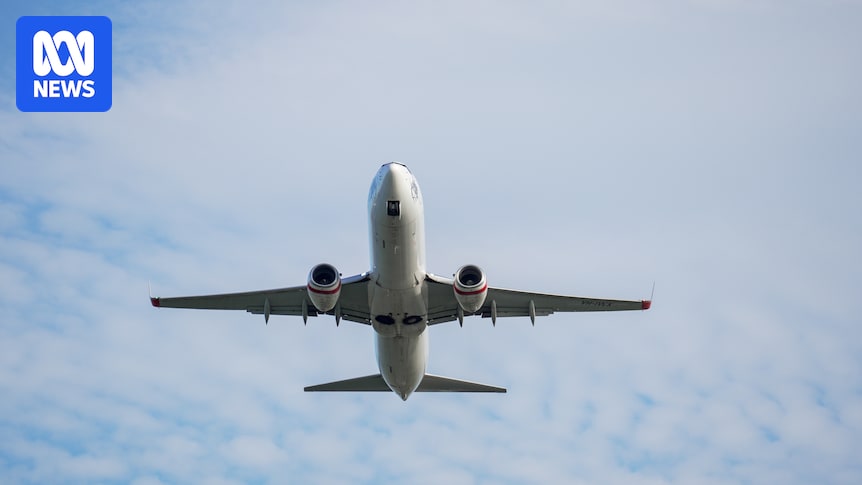
Europe could experience major flight disruptions within weeks as global energy officials warn the continent has “maybe six weeks of jet fuel left”, which could lead to further price hikes and cancellations for Australian travellers.
The International Energy Agency (IEA) said supplies could reach a critical level as early as June unless it could replace shipments cut off from the Middle East, according to the Associated Press (AP).
The warning adds to uncertainty for many Australians heading to Europe, after weeks of flight cancellations linked to the Middle East war.
Aussies ignore travel warnings to keep flying via Middle East
The Strait of Hormuz — a critical artery for global fuel shipments — has been shut off for more than six weeks following Iran’s retaliation against US and Israeli strikes.
IEA executive director Fatih Birol told AP there could soon be flight cancellations if supplies remained blocked.
“In Europe, we have maybe six weeks or so [of] jet fuel left,” he said.
“If we are not able to open the Strait of Hormuz … I can tell you, soon we will hear the news that some of the flights from city A to city B might be cancelled as a result of lack of jet fuel.”
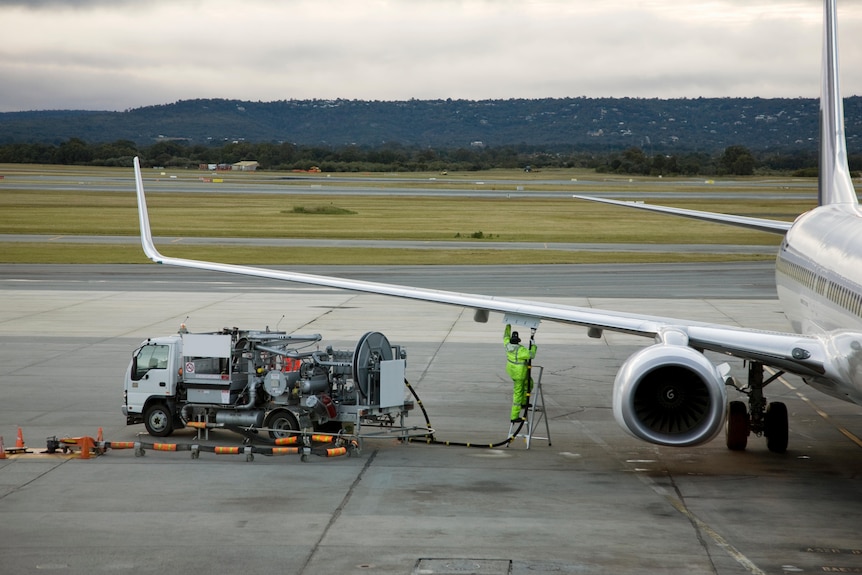
Aviation expert Justin Wastnage says the “six weeks” figure is likely to be about commercial stock levels. (Supplied: GrainCorp)
The IEA, which advises 32 member countries on energy supply and security, says exports from the Gulf region are the largest source of jet fuel to the global market, with Europe reliant on the Middle East for about 75 per cent of its imports.
Aviation expert Justin Wastnage, an adjunct industry fellow at Griffith University’s Institute of Tourism, said the “six weeks” figure likely referred to commercial stock levels.
“It’s not that there are six weeks of fuel left in any absolute sense,” he said.
“It refers to how much commercial stock cover there is, and how quickly that buffer could be drawn down if major supply routes were disrupted.”
Iran war live updates: For the latest news on the Middle East crisis, read our blog
He said intra-European airfares were already under pressure and were expected to rise further.
“You’ve got a confluence of factors now … higher fuel prices for airlines, a drop in supply, and an increase in demand as people look to travel before potential further disruption,” he said.
“It could get to about 50 per cent more expensive than the same time last year.”
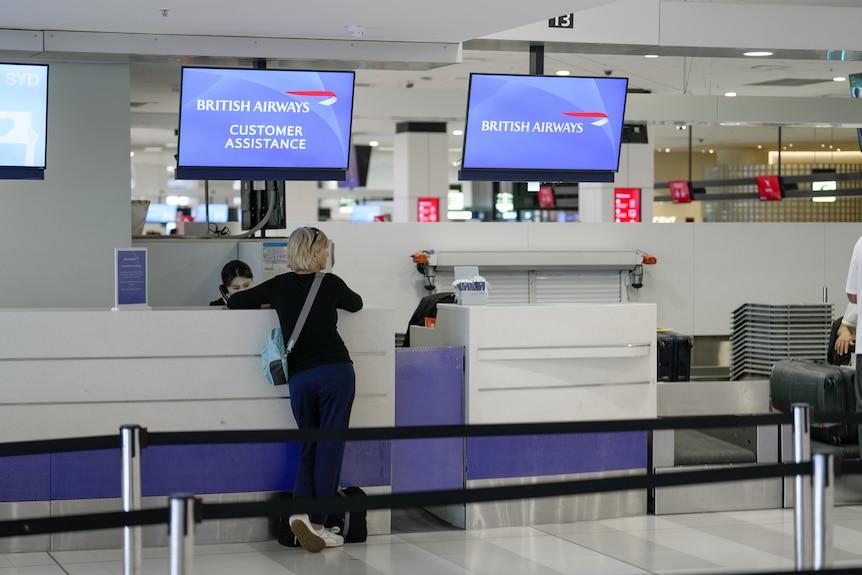
UK airlines say they are not experiencing any disruptions despite the concerns. (ABC News: Billy Cooper)
In a statement, Airlines UK said there were no current supply issues.
“UK airlines are currently not seeing disruption to jet fuel supply, in part due to the UK’s diverse fuel supply, and continue to engage with fuel suppliers and government to monitor the situation,” the statement said.
Australian airlines are also responding to rising fuel costs, with carriers cancelling routes and consolidating flights to ensure aircraft are full.
Virgin Australia will reduce domestic flying by 1 per cent in the three months to June 30, while Qantas is facing up to $800 million in additional fuel costs and has suspended four regional routes and cancelled one indefinitely.
Qantas cuts domestic flights as fuel costs blowout
Qantas, Virgin Australia and Regional Express have been participating in weekly federal fuel security briefings led by Transport Minister Catherine King.
It’s understood airlines have not made any formal request for the Australian government to underwrite jet fuel purchases.
Prime Minister Anthony Albanese said the major fire at the Geelong refinery would not prompt any change to Australia’s fuel security plan.
He said the facility was still partly operating, with about 80 per cent of diesel production and around 60 per cent of petrol production continuing.
Mr Wastnage said he thought Australian jet fuel supplies “would be ok”.
“Unfortunately, as with all these things, the richer countries will be less severely affected and poor countries will be more hard hit,” he said.
“And this is also true of regional areas, which will be harder hit than metropolitan areas.
“This will play out that those who can afford it still get to travel and those who can’t won’t be able to.”
ABC/AP
Loading…