
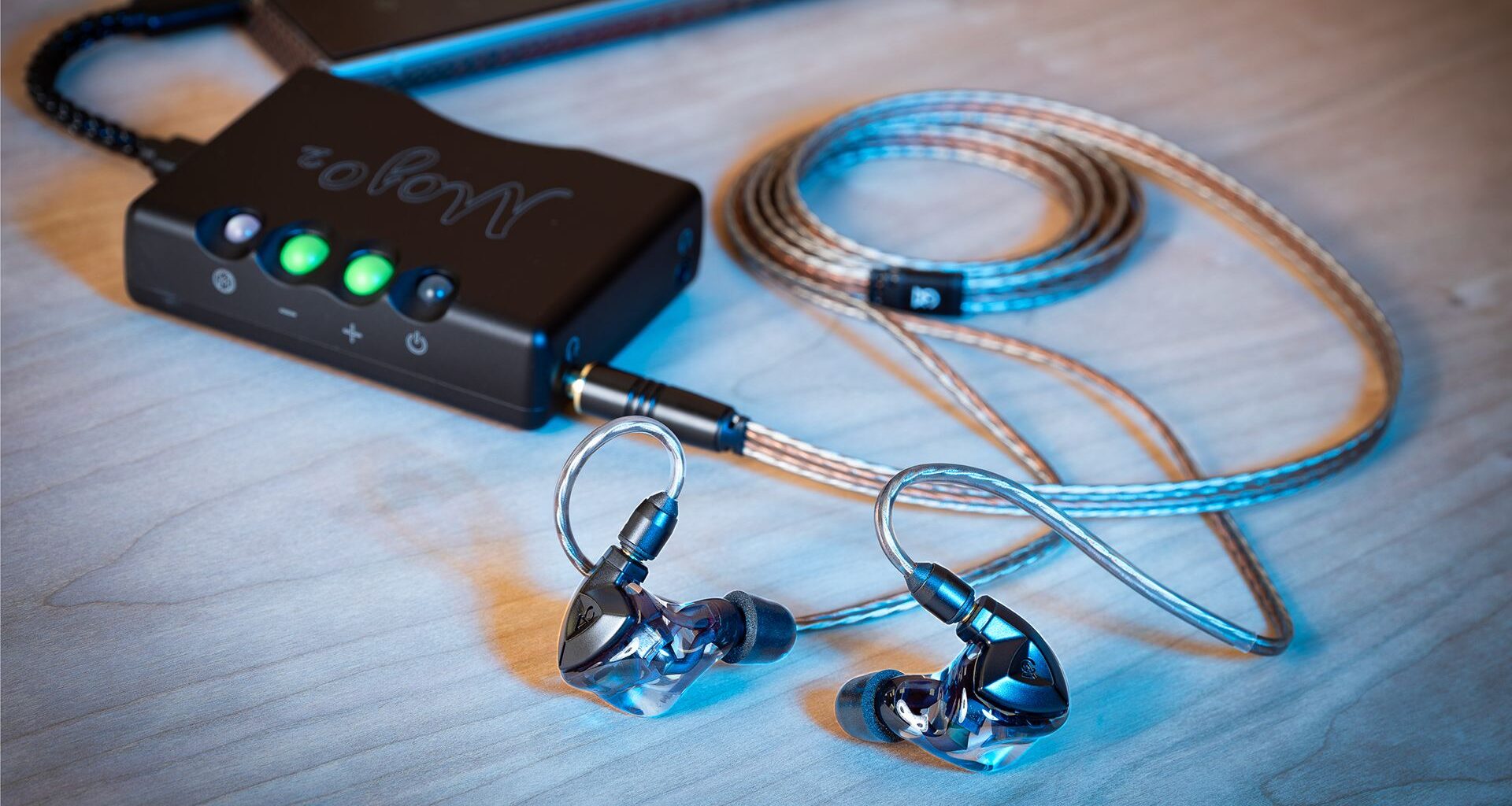
For the last decade, it’s been oneway traffic when it comes to commercial audio. With Bluetooth innovations and people’s inherent pull towards convenience, wireless headphones and true wireless stereo (TWS) dominate personal audio sales today. But that’s not the whole story.
Like vinyl before it, wired in ear monitors (IEMs) and over ear headphones have made a steady resurgence in recent years. But why? Founder of Campfire Audio Ken Ball has some thoughts, and while going wired could be dismissed as this month’s Gen Z aesthetic trend, there might be something deeper to it… Like, a basic human urge to connect kind of deep!
Convenience isn’t everything
(Image credit: Future)
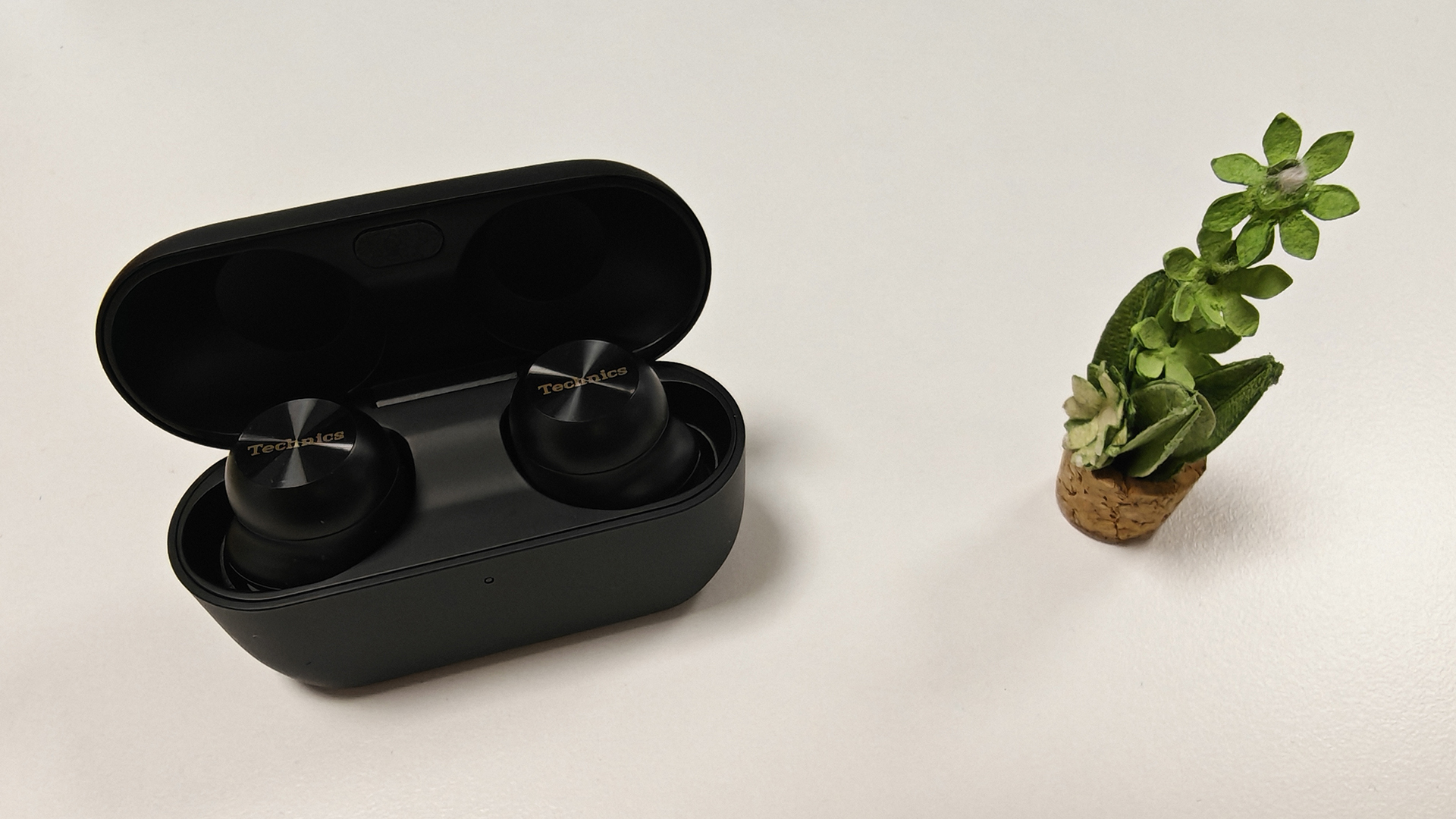
It’s not controversial to say that Bluetooth won the war of convenience a while ago. Modern wireless headphones, like the Sony WH-1000XM6, are impressively engineered, with sophisticated active noise cancellation (ANC), useful multi-point switching, and better and better batteries. And they’re perfect for your gym session or noisy commute. Sure, in these settings you can used wired audio instead… but why would you?
You may like
But convenience isn’t everything, and I’ve personally discovered the inherent positives of a physical connection in audio over my recent audiophile journey. A wired earphone offers zero latency, making it the only real choice for gaming or professional monitoring. Also, it removes battery anxiety from at least one of your many wireless devices. As Chris Halasz notes, “Despite the appeal of wireless convenience, a plug-and-play wired connection can often be simpler and more reliable.” All good points. But there’s more to it than that.
There’s a tactile, almost ritualistic joy in using wired audio. Similar to the resurgence of vinyl, the act of unravelling the cable with your hands, feeling the “click” of a 3.5mm jack, and fitting your IEM or placing your headphone… it’s all part of the ritual. It helps to move the act away from simply consuming content. You are preparing to actively listen. If anything, the lack of convenience becomes a feature – it forces a slower, more deliberate engagement with the device and the music.
Intentional listening: Calm in the eye of the storm
(Image credit: Future)
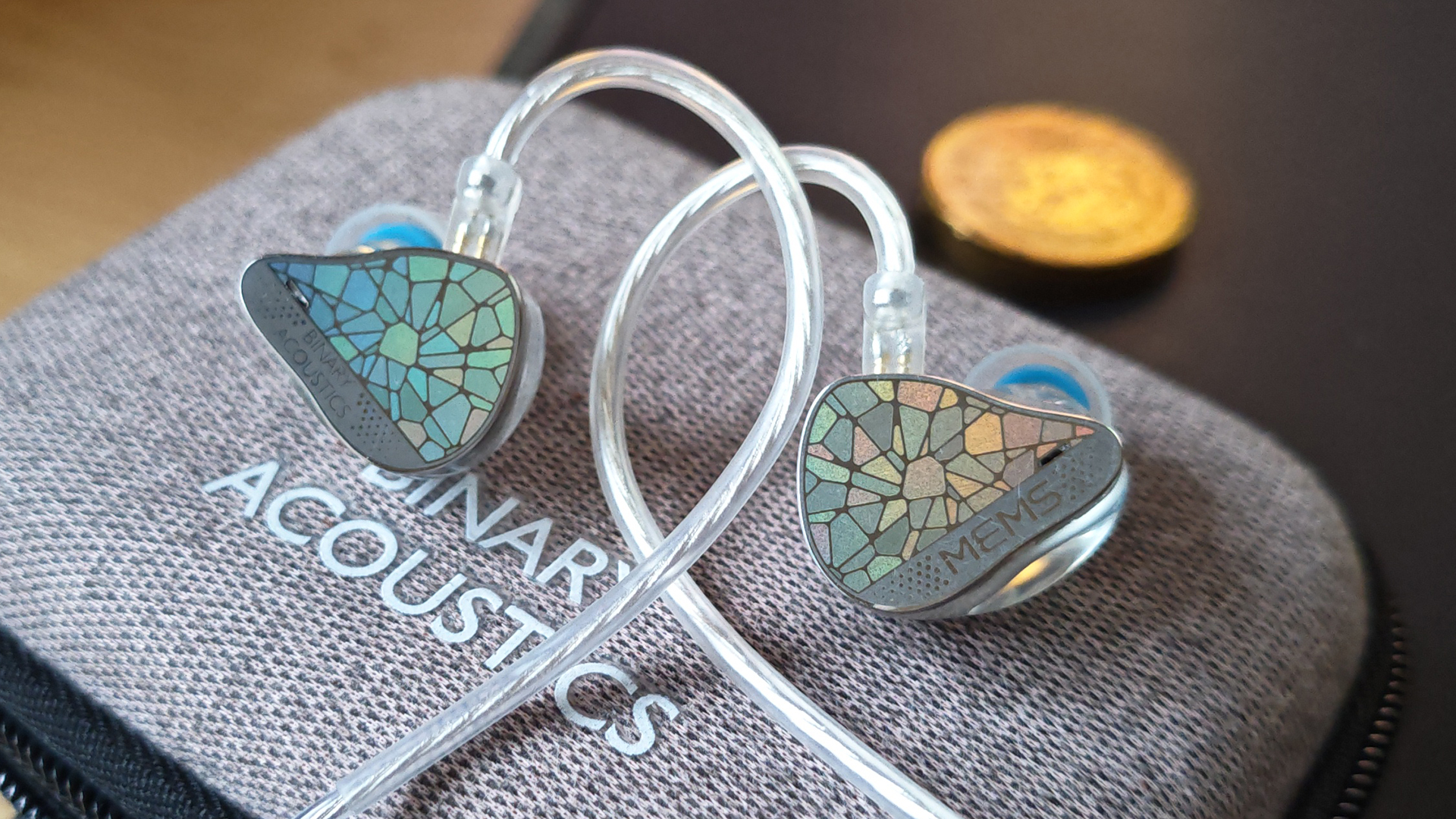
Wireless audio devices may be convenient, but my god they can become an annoying Trojan horse for bleeps, blips, notifications and distractions. Wired audio just cuts that all off. There is no app included with the Campfire Audio Andromeda 10!
Chris champions the concept of “intentional listening” – the act of giving your full focus to the music. “When I’m assessing an earphone’s performance, I often close my eyes to focus on spatial quality, detail, and panning,” he says. By plugging in, you’re physically anchoring yourself to a single task. It is a form of staking your own calm in a landscape of endless multitasking.
For many, this is an escape. When you remove the compression limitations of Bluetooth, which Chris describes as a “hard cap” on performance, you begin to hear details that were previously lost. A properly engineered wired system allows you to rediscover songs you’ve heard a thousand times. It’s the most common sentiment from people who first hear an audiophile set – and it’s one I certainly expressed! And I would say, although I’ll never ditch Bluetooth audio, I haven’t yet experienced this depth of concentration with wireless sets.
Material differences
Image 1 of 2
 (Image credit: Future)
 (Image credit: Future)
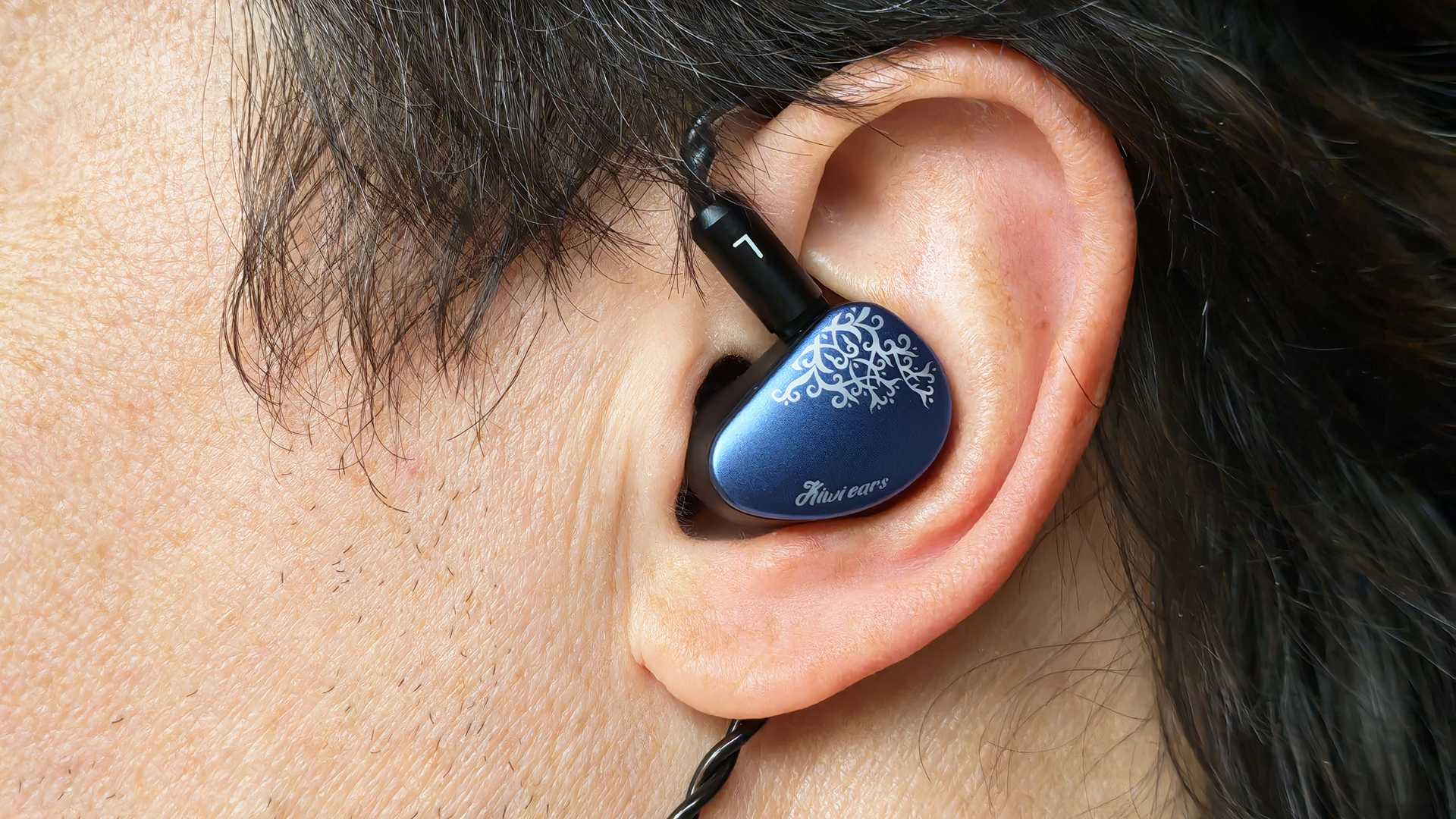
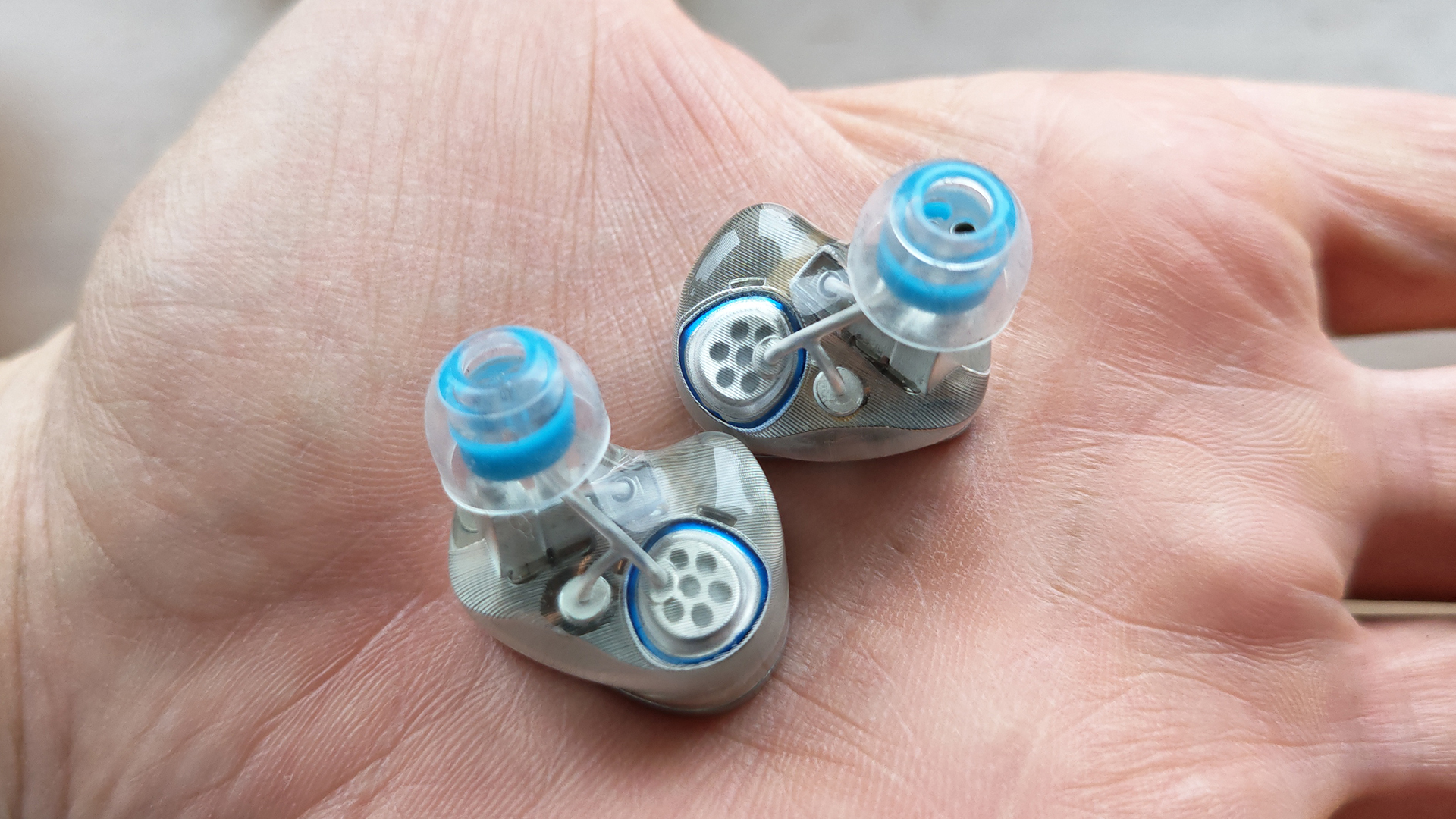
The gap between commercial electronics and audiophile-grade equipment when it comes to quality build and materials is widening. Most mass-market wireless earbuds are designed with a limited shelf life. Their lithium-ion batteries are usually non-replaceable, so the entire unit becomes e-waste within a number of years. Brands aren’t making a product that will last for potential decades, so what’s the point in making the material they use special in any way?
In contrast, premium IEMs are built for longevity and serviceability. As Ken Ball points out, professional musicians and engineers rely on wired monitoring because performance and reliability are critical. At Campfire Audio’s Portland headquarters, this translates to using CNC-machined metals, specialised acoustic chambers, and proprietary driver technologies that don’t rely on software tricks to sound good. And that are built to last.
Because wired audio doesn’t need to compress data into packets for air, the fidelity is limited only by the quality of the recording. Buy a wired IEM or headphone and you’re investing in a tool that’ll last a decade or more. It’s a shift away from disposable consumerism toward craftsmanship.