
Formula 1 has a lot of work to do over the April break to find a way to save face after the first three races of the 2026 season showed what a disaster the new regulations are.F1 racing has become an energy management exercise with the new power units now more reliant on electric power, with closing speeds between cars due to the different modes (boost and harvesting) having created a safety concern that materialized with Oliver Bearman’s crash at the Japanese Grand Prix.
During the April break caused by the cancellation of the races in Bahrain and Saudi Arabia due to the Middle East war, Formula One Management (FOM), the FIA, the teams, and the drivers will be holding talks to try and find some fixes, especially when it comes to qualifying, which has lost its appeal with drivers unable to push to the limit as they should.
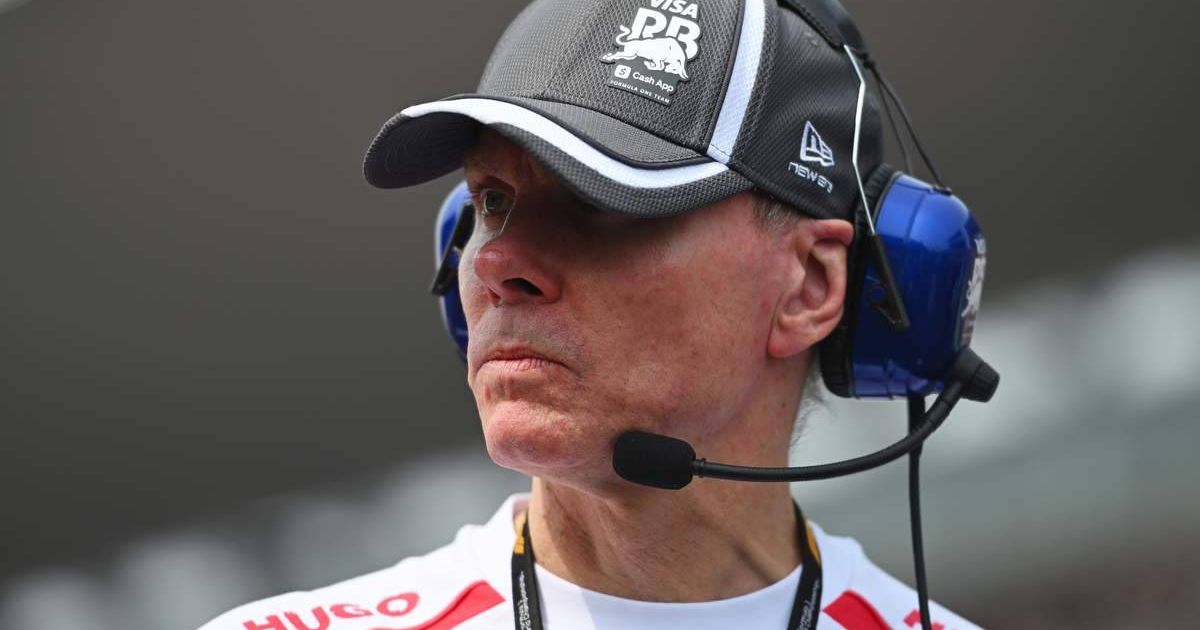
“It’s not an easy one,” Racing Bulls boss Alan Permane said when asked about any expected changes. “We have to listen to the drivers.
“There are two groups of fans, some who love the new racing and some who don’t. Watching it live is quite exciting, but we need to work as a team to find the right balance.
“There’s a lot of work going on, and we have several meetings over the next few weeks to decide which package of tweaks we’ll take through to Miami.
“The two main focuses are making qualifying more flat-out and driver-focused rather than PU-focused, and also reviewing previous incidents to see how we can reduce closing speeds.
“Although we need to be careful not to reduce the spectacle. There are measures that could be taken to reduce closing speeds, but that would likely impact overtaking,” Permane admitted.
Racing Bulls driver Liam Lawson warned that safety should be the main factor pushing change. He said: “From a regulations point of view, the biggest priority is safety, which everyone is in agreement on, especially after what we saw in Japan.
“We want to avoid situations like that going forward. On the performance side, things will always evolve and we’ll get faster over time.
“We’re all in the same boat, so it’s about working together to find solutions that work for everyone,” Lawson concluded.