
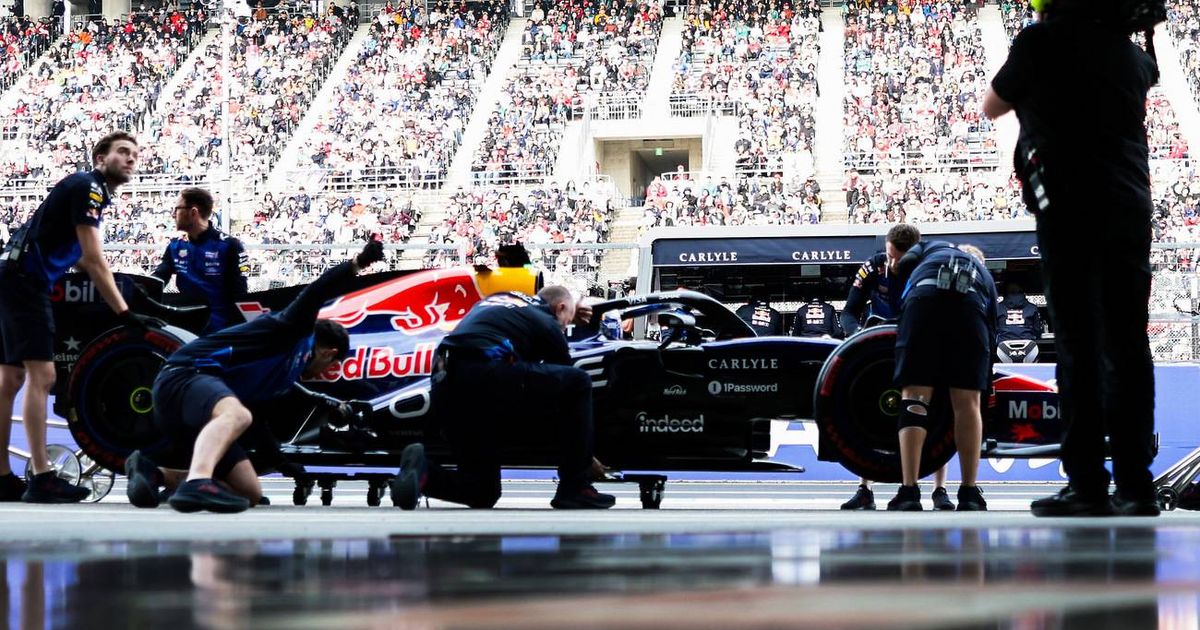
Guenther Steiner believes Formula 1’s new rules era has clear flaws, but backed the sport to work through them as the FIA and FOM search for fixes, while hailing the arrival of the “next generation” of drivers.After the three race weekends of the 2026 Formula 1 season triggered criticism over energy management, tactical overtaking and a racing style many drivers and observers have called artificial, Steiner delivered his verdict. He did not condemn the regulations outright, but made it clear the package is far from right.
That view fits the wider mood around the paddock. The 2026 rules reset was sold as a new technical frontier, but early races exposed familiar complaints about lift and coast, deployment compromises and overtakes decided less by instinct or bravery than by energy use and timing.
Formula 1’s brightest engineers are now under pressure to recover the spectacle without undoing the framework they spent years creating. Speaking on the Drive to Wynn podcast, Steiner said: “It is difficult to find the right balance.
“Obviously, the regulations are there, and some of it is good, and some of it needs to be better. I call it like this. I wouldn’t say it’s bad, but I think anybody saying it’s perfect at the moment, I wouldn’t believe anybody trying to say that.
“But what I believe in is that Formula 1 will sort it out. I know how much. And as you said, there will be people now working really hard in this break, which was not the unplanned break. Basically, they will use that time to get around what is not working so perfect at the moment, trying to find solutions with FIA, with FOM, all the teams working together to find solution.
“But it is a big job. Normally, you would say, oh, it’s a nice break in here. Nobody’s got a break at the moment in that one, everybody’s working harder than ever, even if they are not going racing, just to fix the issues which are there now,” added the former Haas F1 Team team principal, now heading the KTM MotoGP team as CEO and owner.
A rules package under pressure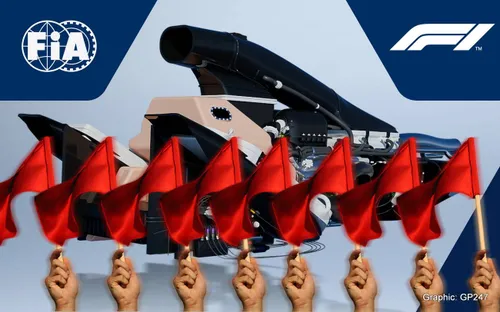
That is the key line from Steiner. He accepts the regulations have not landed cleanly, but his emphasis is on repair rather than panic.
That matters because the criticism of the 2026 rules has grown louder with every race. Drivers have spoken openly about the awkward balance between attacking and preserving energy. Teams have had to game the system as much as race each other. Even when the racing has been close, it has often looked shaped by constraints rather than driven by instinct.
Steiner’s confidence rests on the two things Formula 1 has never lacked when cornered: elite technical brains and enormous financial muscle: “I would say this, Formula 1 has got two things, has got good engineers, bright minds, and shitloads of money. And the money, and the companies invest money.
“They are not throwing it up for fun. Because, in the normal world, you invest money and you need to see a return. The return in Formula 1 is being competitive and winning, so that for the people or the companies invest so much money to make it better.
“You’ve got these bright people, you’ve got money, and that is a very good starting point to solve problems out in life,” ventured Steiner.
The sport has a pock-marked history of producing problems through regulation, then spending huge sums trying to engineer its way back out of them. Steiner’s point is that no championship is better equipped to correct itself once weaknesses are exposed.
Mercedes strong, young drivers impress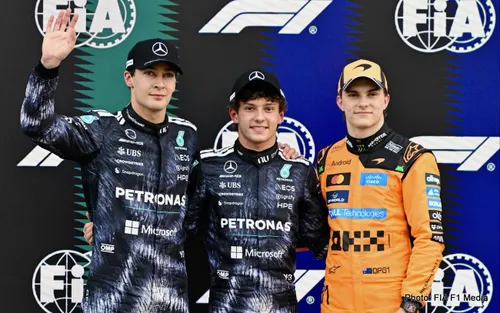
Steiner also used the discussion to underline a competitive trend already emerging in this new era: some of the younger drivers have adapted faster than the old guard.
That observation is significant because 2026 has not only reset the technical rules, it has shifted the demands placed on the drivers. Battery use, steering wheel complexity, energy timing and corner phase management now shape performance more sharply. In that world, adaptability becomes as important as raw speed.
Steiner observed: “The key factor for me is like how the young drivers adapted to this. You see all the young drivers, if you look at it, they adapted better than the seasoned drivers. Think about it, we were all amazed.
“But I think it has to do with the technology. They adjusted quicker and better to new technologies because they are fresh, or they don’t have many bad habits yet, which they have to change.
“But in competition wise, what stands out to me, Mercedes, they have done a good job again. Is it unexpected? No, not really. Everybody expected that to happen. And Ferrari is good as well. So again that status, it was the two strongest teams. They will be always strong, you know.”
Of the new engine suppliers, Steiner was full of priase: “I was also amazed about how good Audi developed their engine and Red Bull, because we cannot underestimate how difficult it is to develop your first power unit in a sport so complex as Formula 1, and all the other ones having an advantage over you by doing it a long time.
“So I was amazed how good of a job Audi and Red Bull did on the PU side and obviously outside in racing, it’s a little bit we need to get used to that overtaking now is done more, I say, with tactics and smartness than who is braver. It’s like one of these things. We will get used to it, and I think it will go back to where it was before.”
That line about overtaking cuts to the heart of the current argument. Formula 1 can accept complicated cars. What it cannot afford for long is a version of racing where the spectacle feels managed instead of fought.
The next generation is already here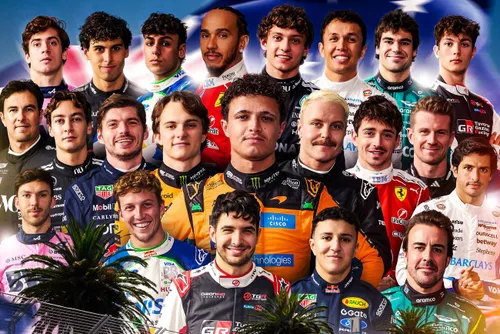
Steiner’s final point was broader. He sees this not just as a rules debate, but as a generational transition.
The sport once described Max Verstappen and his peers as the first wave of drivers shaped by gaming, simulation and highly technical cockpits. Steiner now believes another layer has arrived, one even more naturally wired for the systems heavy demands of the modern Formula 1 car.
He said: “But we also have to go back to, when they first stopped, and that era of people came in, we all said, these are the guys which grew up playing on the PlayStation, no, and they now adapt more to the cars with the complicated steering wheels and all that stuff.
“This is the next iteration of these guys. Now I call them old. They’re obviously not old because I’m a lot older than them, but I don’t want to make them older than they actually are. But it’s the next generation. It’s just everything is evolving.
“When Max and his generation came in, they were called the PlayStation drivers. They can use it, and this is the next generation of drivers, which can use this technology just so much better because they grew up just with more technology,” Steiner explained.
That may prove to be the longer term reality of 2026. Formula 1 still has to fix the weaknesses in the rules. But while the engineers work through that task, the drivers best suited to this new world are already showing themselves.