
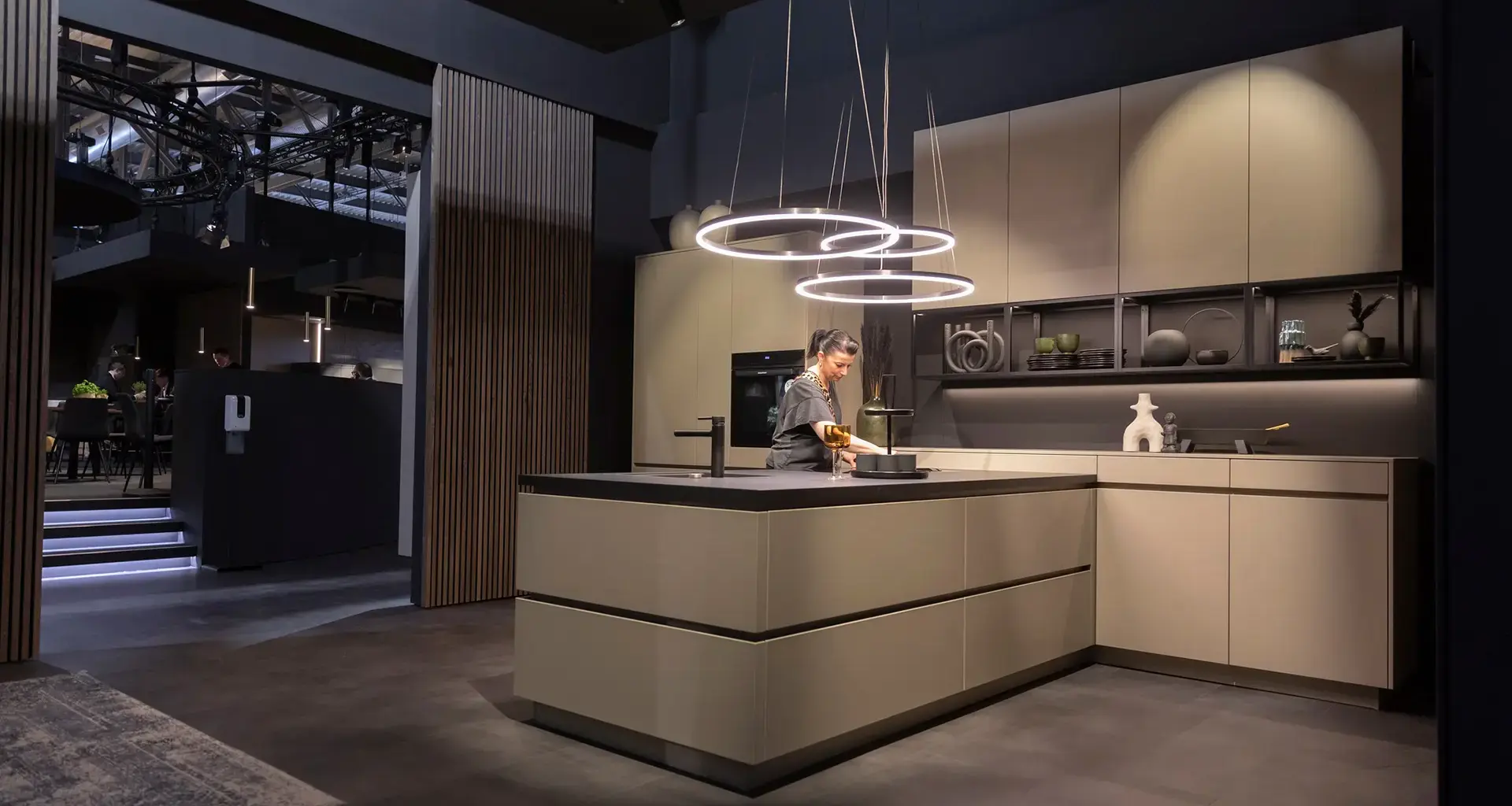
Integrated kitchens are dominating the conversation at EuroCucina 2026, with Fisher & Paykel emerging as a major talking point. The New Zealand-based, Haier-owned brand has unveiled a new state-of-the-art appliance collection, highlighted by a 30-inch oven platform designed for “frictionless” interaction. The system sits flush within cabinetry, with gaps as tight as 2mm, reinforcing the move toward seamless design.
A central theme across the Milan showcase is the transformation of the kitchen from a purely functional space into a true social hub.
At the same time, the rapid integration of artificial intelligence into everyday appliances is one of the event’s biggest stories. A new generation of fridges, ovens, and dishwashers is redefining how kitchens operate.
One recurring trend is the rise of “invisible” induction hobs—cooking surfaces built directly into stone or ceramic countertops—alongside integrated downdraft ventilation systems similar to those already offered by brands like Falmec. 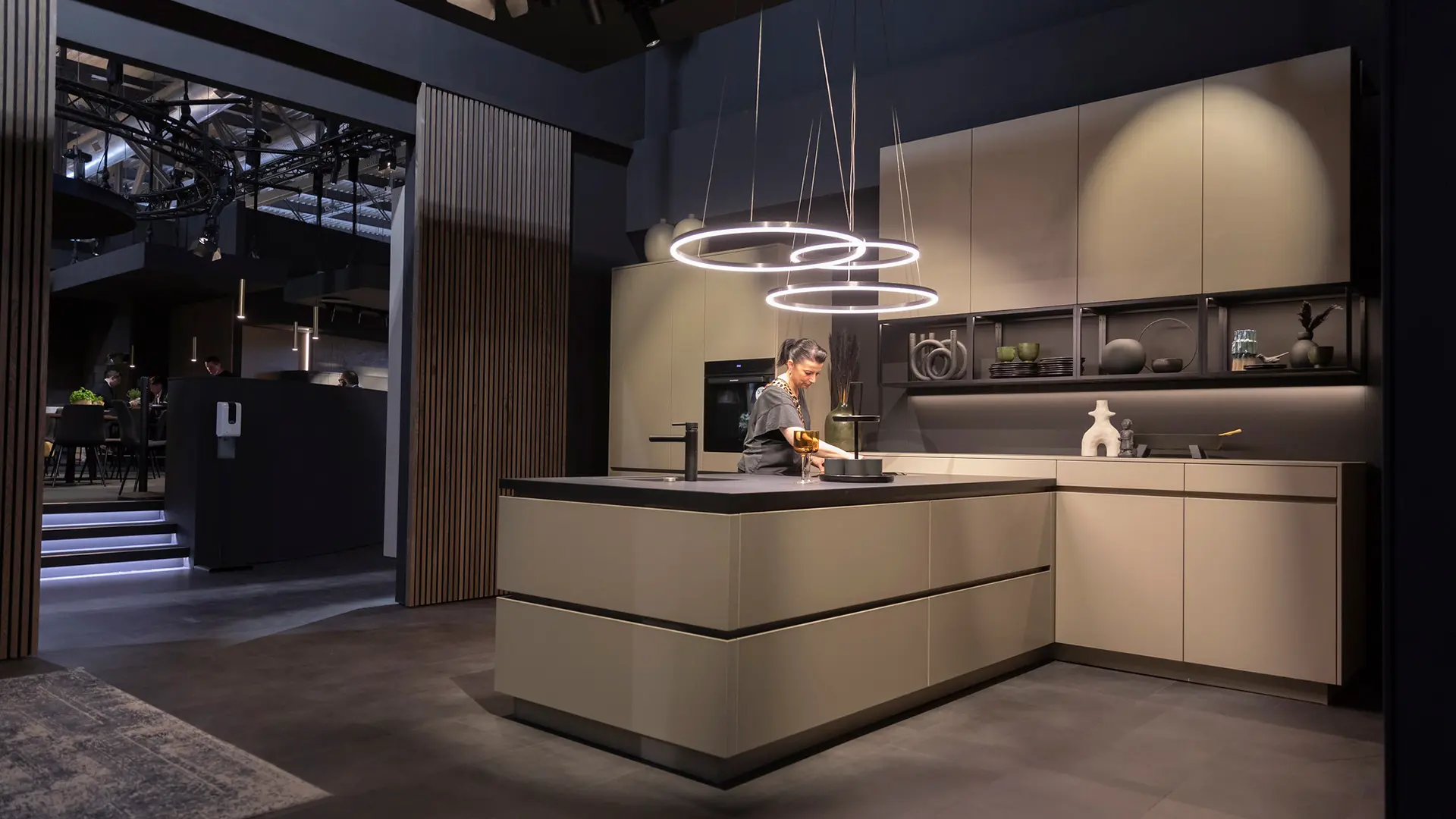
Design: The Shift to Warm Minimalism
Aesthetically, the industry is moving toward what designers are calling “warm minimalism.” While stainless steel remains present, there is a clear shift toward more tactile, material-driven finishes.
Brushed metals, earthy tones, and large-format ceramic surfaces that eliminate visible joins are becoming the new standard. Dark metals are also gaining traction, with brands such as Smeg, ASKO, and Siemens leading a move toward black metallic and dark glass finishes, replacing traditional silver and white.
Some manufacturers are even incorporating historical graphic patterns from iconic Italian designers like Ettore Sottsass, particularly in products such as wine cellars and convertible refrigerators.
Sustainability and Circular Design
Sustainability is no longer a marketing buzzword—it’s now a core engineering requirement. Electrolux, among others, continues to emphasise this shift.
Circular design is a major focus, with increased attention on recyclable materials, longer product lifespans, and appliances designed for easier repair. Water-saving fixtures and energy management systems are also front of mind, with appliances increasingly able to communicate with smart home grids to optimise performance and efficiency.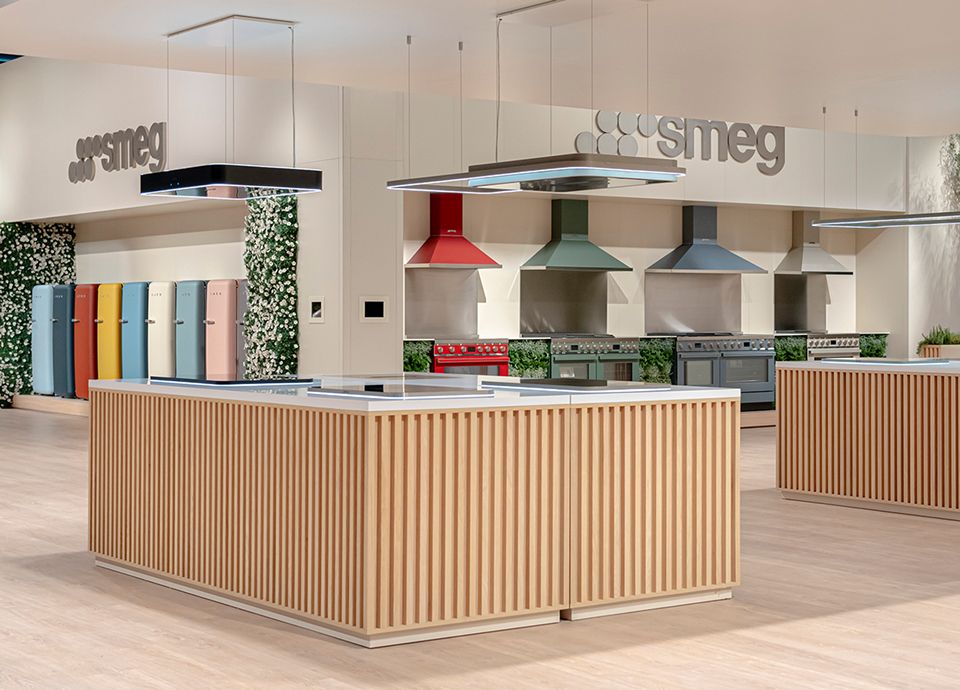
The Age of Autonomous Appliances
Perhaps the most significant evolution is the move from “smart” to autonomous appliances. Devices are no longer just responding to user commands—they are learning preferences and making decisions.
Electrolux is showcasing responsive glass interfaces and AI-assisted cooking systems that automatically adjust temperature and timing based on the dish. Meanwhile, brands including Electrolux and Haier are introducing self-managing dishwashers that can dose detergent, self-clean, and notify users when maintenance is required.
According to analysts at the event, appliances are no longer simply “connected”—they are becoming decision-making assistants. The industry is moving toward hands-off ownership, where appliances largely manage themselves.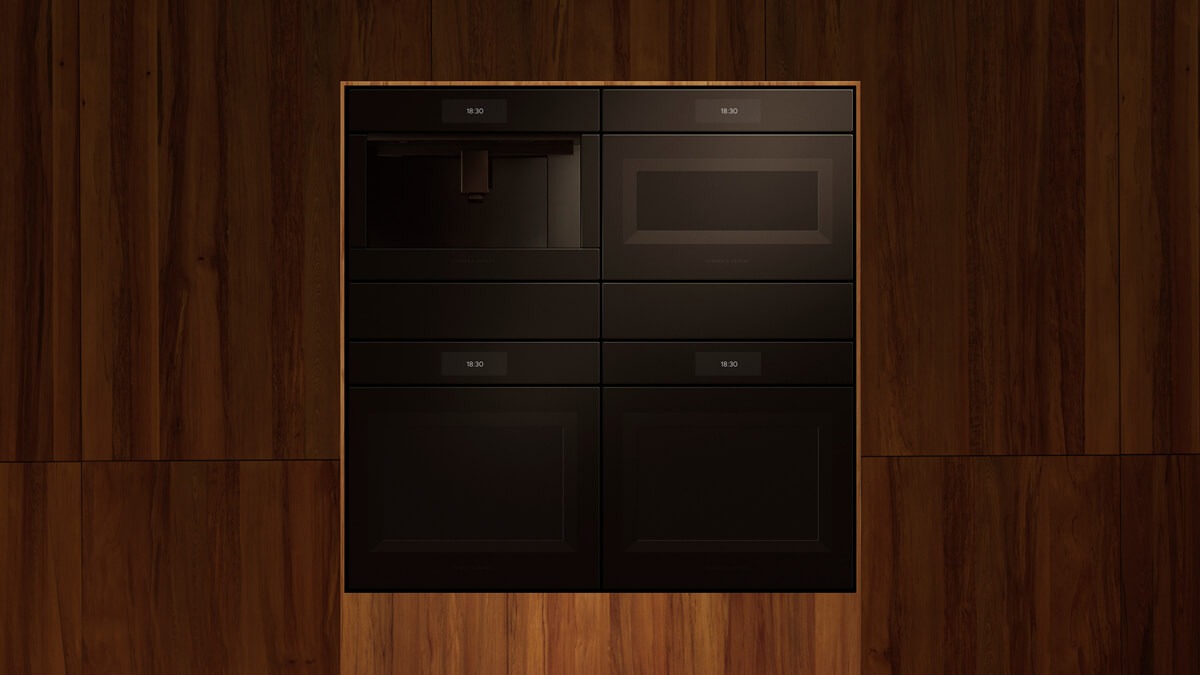
Kitchens Without Boundaries
Manufacturers are also focused on making appliances disappear into the home. Products are becoming quieter, more compact, and fully integrated into cabinetry.
Refrigeration and storage are increasingly treated as architectural elements rather than standalone units, reinforcing the idea of the kitchen as part of a seamless living environment rather than a separate work zone.
Australian retailers attending EuroCucina are being introduced to appliances that combine high efficiency with premium design and extensive customisation. In this context, sustainability is now expected—it’s the baseline, not the headline.
Brands like Smeg are leaning into this shift, presenting luxury collections that blend Italian craftsmanship with advanced engineering, placing equal emphasis on aesthetics, materials, and functionality.
A Category Shift
The overarching takeaway from EuroCucina 2026 is clear: the industry is undergoing a fundamental transformation.
This is no longer just about new gadgets. It’s a shift from standalone appliances to intelligent systems—and from visible products to invisible infrastructure.
If previous years defined the “smart kitchen,” 2026 signals the arrival of the autonomous, AI-powered kitchen—one that actively manages itself and adapts to the way people live.