
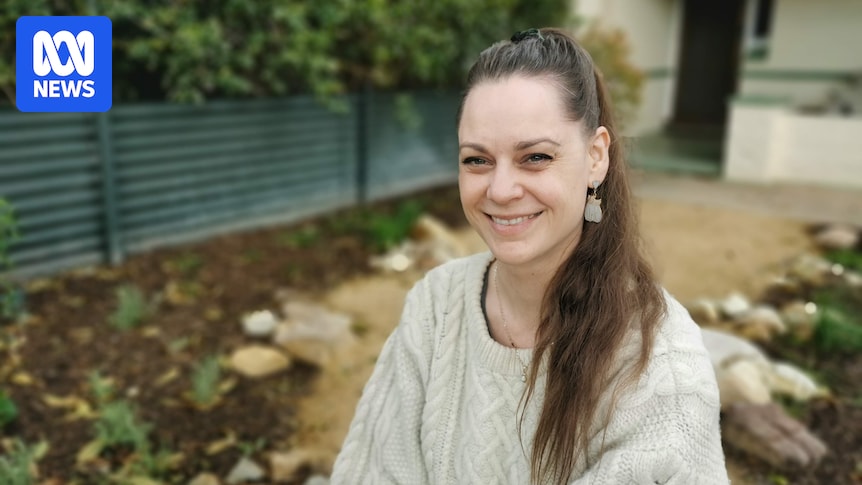
Late last year, I quit watching telly for a month.
It was partly an experiment in self-control and habit-breaking, but also a response to the unhappy realisation that watching shows had become my crutch to zone out.
So, I decided to kick the habit for a bit, cold turkey.
Surprisingly, in TV’s place slotted things I often felt too tired for — playing music, doing puzzles, exercising, gardening and heaps more reading.
Realising mindless TV-watching wasn’t always restful
Worn out by work and the exhausting churn of climate crisis and chaotic world news, I’d retreat to screen-based monotony, spending hours watching TV or streaming the latest series.
I knew it wasn’t great for my health — all that sitting and snacking — and worse, it stole motivation and time from things I love, such as veggie gardening.

Sometimes simply being in the garden fills Koren’s cup. (Supplied: Koren Helbig)
But often, flopping onto the couch and flicking on a show felt like the only thing I had energy left for in the evening. And I don’t even have the relentless responsibility of kids.
Examining it closer, I realised I was equating TV to “rest”, yet I still felt tired all the time.
And I worried that I was numbing out, using binge-watching as a comforting distraction from stress or a way to avoid dealing with emotions.
My two-fold approach to shifting unhealthy habits
Last year was a gradual process of examining such crutches in my life, one by one.
On New Year’s Day, I decided to change my relationship with alcohol and ended up cutting my drinking by about two-thirds.
Later, I wound back processed sugar and capped my daily social media use.
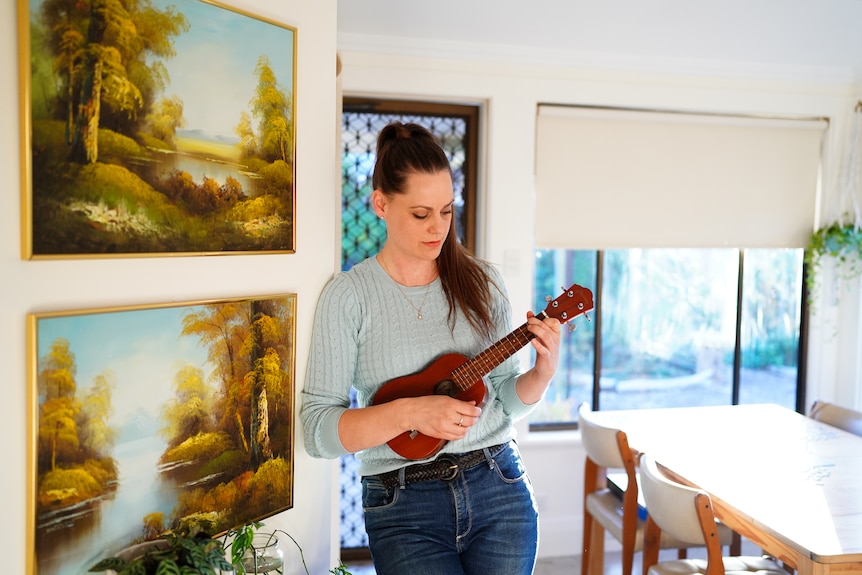
Koren has been able to play her ukulele since carving back some more screen-free time. (Supplied)
Each of them had unintentionally become a fallback to numb out when life got hard, a way to soften stress or sidestep uncomfortable feelings.
My strategy to shift them was two-fold: make the old habit harder and keep a healthier option waiting in the wings.
For example, I stopped buying processed sugary stuff and kept more fruit in the house. I put my phone in another room and borrowed more easy fiction reads from the library.
Small environmental tweaks, I realised, often worked better than relying on sheer willpower.
And rather than calling behaviours “good” or “bad”, I started asking whether they moved me toward the life I wanted or away from discomfort.
What filled the space
When it came time to tackle the mindless TV-watching that was swallowing too much of my life, I created what I like to call a personal “library of rest”.
Because what’s “restful” can depend on the day, I realised. Sometimes shovelling compost filled my cup, other days I could barely muster the energy to run a bath.
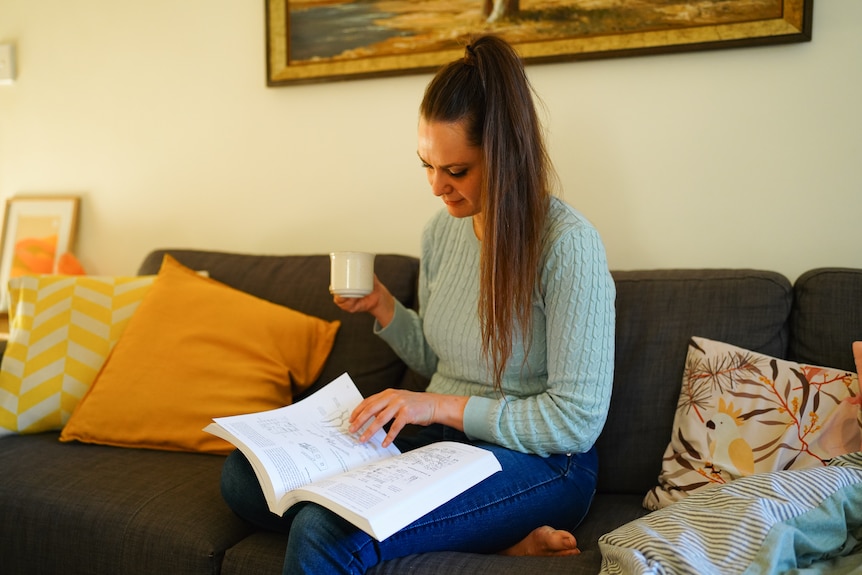
Koren’s library of rest includes low-energy activities such as reading. (Supplied)
My library of rest collated alternatives I could turn to when tempted by TV, categorised by the energy and capacity levels each one required.
For example:
Low-energy rest: reading light novels, doing a puzzle while listening to music, weaving, gentle stretching, napping and hanging with my pets.Higher-capacity rest: bike riding, a long walk, cooking, planting veggie seedlings, playing ukulele, journalling and reading heavier non-fiction books.
I modelled that on the “spoon theory”, coined by disability advocate Christine Miserandino, which highlights the need to pace and prioritise when managing fluctuating energy levels.
The list helped reduce my mental load when choosing TV substitutes and find doable ways to rest, no matter how worn out I was feeling.
TV habits as a prompt for self-awareness
Quitting TV for a month also helped grow my awareness of what it feels like when I’m overloaded or off-kilter — and get better at sitting with stress or emotions instead of numbing them out.
And because I love to apply permaculture thinking across my entire life (not just in my garden), I used its framework to self-reflect and build lasting positive habit changes.
For example, permaculture’s fourth principle of “apply self-regulation and accept feedback” helped me build self-awareness about when and why I resort to marathon TV sessions.
Now, I consider the itch to binge-watch a helpful flag or feedback loop, indicating that I’m emotionally overwhelmed or that I’ve been pushing myself too hard and need to slow down.
This year’s goal: moderation
When I mentioned my telly-free experiment in a group chat recently, several folks said they’d permanently quit TV, even sold their sets.
I take more of a “things in moderation” approach to life, rather than being rigidly all-or-nothing. So, it’s not a no to TV forever, for me.
I’ve kept my set and a streaming subscription, and still regularly watch shows and movies. But I now approach it as more of a conscious choice — a treat, even — rather than a daily fallback habit that eats precious hours of my life.
Ultimately, the experiment reminded me that time is my most finite resource and richest form of wealth, and that a more fulfilling life begins with mindfully choosing how I spend it.
Koren Helbig is a freelance journalist and sustainable city living educator who practices permaculture and grows organic food in the backyard of her small urban Tarntanya/Adelaide home.