

Regional disability service providers say smaller operators will not survive another round of changes to the National Disability Insurance Scheme (NDIS) following the government’s sweeping cuts.
The changes announced this week aim to bring the cost of the NDIS down to $55 billion by the end of the decade and to move 160,000 people off the scheme.
The cuts come less than 12-months after a raft of changes to funding models affected therapy pricing and travel allowances.
Liz Martin altered her career path to become a service provider after her son, Micah, was diagnosed with level 3 autism when he was three years old.
Driven by the lack of disability services in Western Australia’s South West at the time, she started her own business, Micah Inclusion, in Bunbury.
Regional providers trying to stay afloat
Ms Martin said trying to run a successful business while keeping up with the scheme’s changes was challenging.
How did the NDIS get so expensive?
“It’s very hard to make a small business viable in the current climate, let alone adding the uncertainty of NDIS cuts happening,” she said.
“Already there’s barriers because of the previous changes in NDIS with travel, and it’s making it much harder for services to be able to travel.”
Ms Martin said the stress of continuing to bring services to regional areas fell on providers.
Liz Martin says without readily available therapies, regional children will be disadvantaged for life. (ABC South West WA: Madigan Landry)
“There’s an incredible amount of pressure on service providers, particularly to pivot and change and to try and mitigate the harm that is being done,” she said.
“The mental health impact that’s having on service providers right across Australia … it’s not fair.
“Life would be much easier if I went back to teaching.”
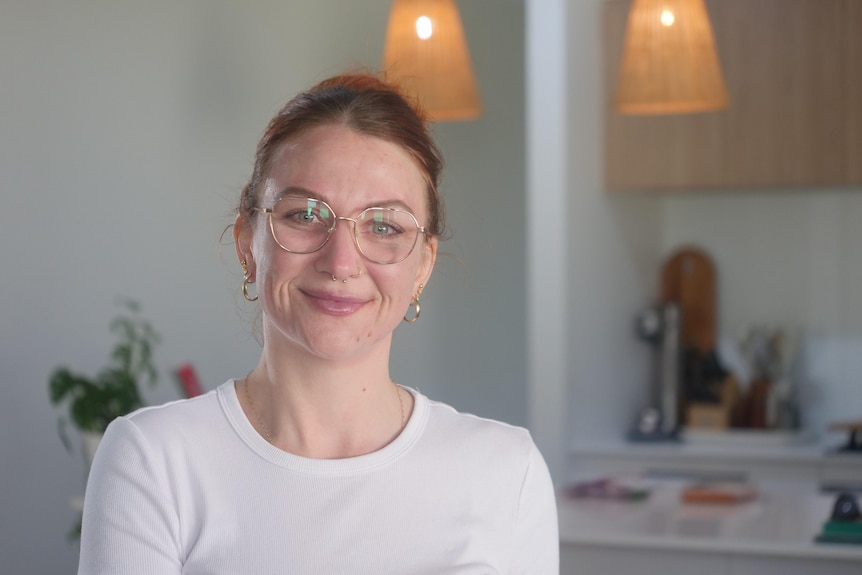
Bec Shepherd is a mother of two children living with different disabilities. (ABC South West WA: Madigan Landry)
‘Biggest slap in the face’
Bec Shepherd cares for her son Jack, who has Down syndrome, and her daughter Evelyn who has autism.
Ms Shepherd said the federal government’s cuts were adding undue stress on families.
“You don’t live our life, you don’t walk in our shoes and you don’t do what we do day in and day out,” she said.
“It just feels like the biggest slap in the face and punch in the guts.”

Jack and Evelyn Shepherd’s mum says people don’t understand what life is like for those living with disabilities. (ABC South West WA: Madigan Landry)
The 38-year-old said she and her husband already had enough on their plate planning end-of-life care for their son.
“We understand, with Jack’s condition, that he will likely develop early onset dementia,” Ms Shepherd said.
“I would love to see NDIS stick around, but I just don’t know if it’ll be able to provide the level of care.
“We’re adding an extra financial stress to our plate to try to shore up our financial future to retire early so we can provide for our child.”
Government concedes more work needed
WA Regional Development Minister Stephen Dawson admitted more had to be done to support regional communities through the change.
“There are still people in some of our regional communities, remote communities who haven’t had the same quality service as the city. So there’s some challenges there,” he said.
“I’m certainly focused on ensuring that regional residents don’t go backwards in the level of tradition they get.”
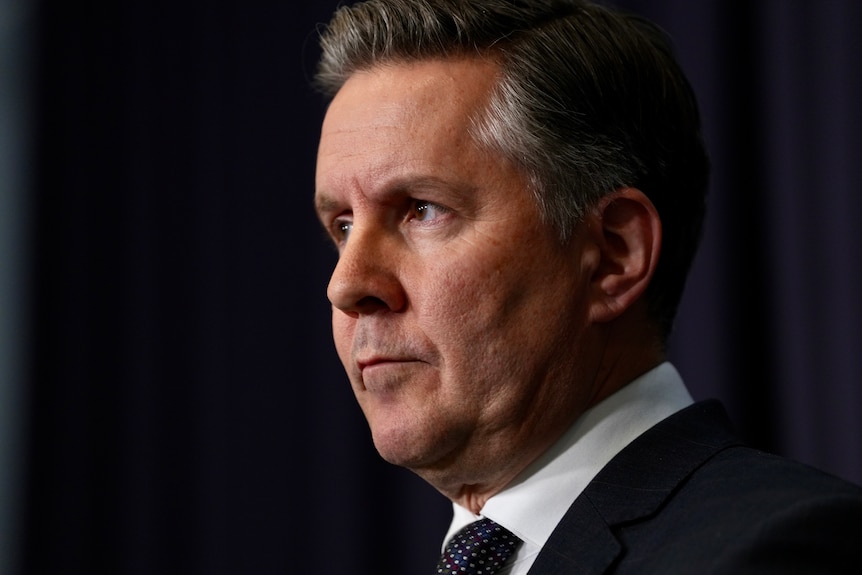
Mark Butler says the NDIS is growing at an unsustainable pace. (ABC News: Callum Flinn)
Federal Health Minister Mark Butler was contacted for comment on the concerns raised by Liz Martin and Bec Shepherd.
Speaking at the National Press Club on Wednesday, Mr Butler said the overhaul was necessary because the scheme “costs too much and is growing too fast”.
Under the current settings the scheme is forecast to cost $70 billion by the end of the decade.
“We can’t afford for the NDIS to continue growing at its present rate,” Mr Butler said.
“But far more importantly, we can’t afford for the NDIS to fail.”
State and territory ministers from around the country have reacted strongly to the announcement, with one minister arguing the federal government will “walk away” from those in need.
More details on who will be impacted by the changes are expected to occur when Labor hands down its federal budget next month.