
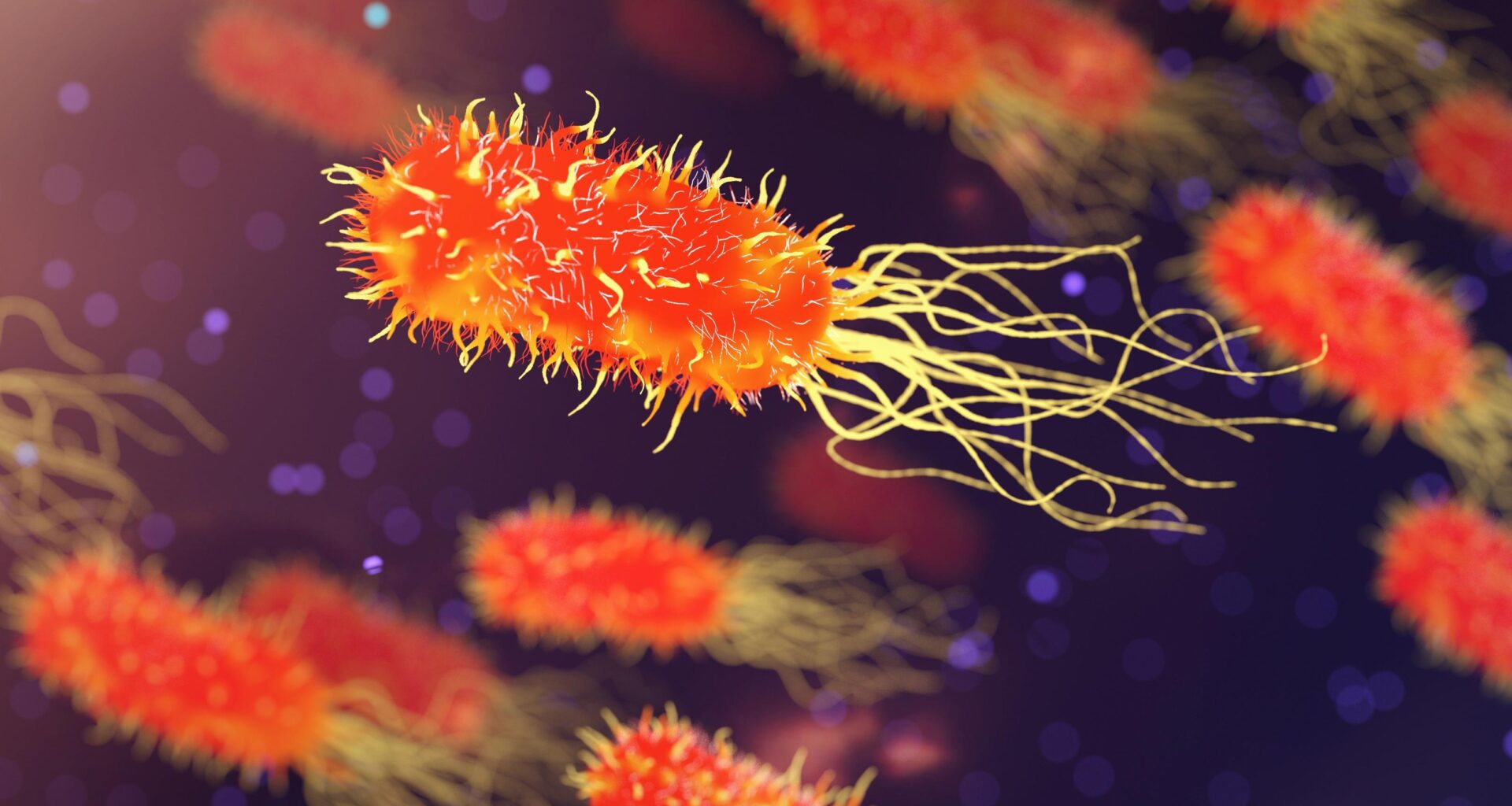
 Scientists are revisiting a centuries-old herbal remedy and uncovering evidence that it can weaken dangerous bacteria in unexpected ways. Credit: Stock
A traditional medicinal plant, tormentil, shows promise against antibiotic-resistant bacteria in laboratory tests. Its compounds work by limiting bacterial growth and boosting antibiotic performance.
Before the development of modern antibiotics, plant-based remedies were commonly used to treat infections.
One such plant is tormentil (Potentilla erecta), a small yellow wildflower found across Ireland, the UK, and Europe. Its root has a long history in traditional Irish and European medicine, where it was used to treat wounds, sore throats, diarrhea, and gum disease. These longstanding uses hinted that tormentil might contain compounds capable of killing harmful microbes.
Our recent research has now shown that not only does tormentil have antimicrobial activity, it may also be powerful enough to fight microbes that are resistant to modern antibiotics.
Antimicrobial resistance is an increasing global concern. It arises when bacteria adapt in ways that allow them to survive drugs that once killed them. As a result, some infections are becoming extremely difficult, and in some cases impossible, to treat. This trend raises the risk of returning to a time when infections that are now manageable could once again become life-threatening.
Researchers are therefore searching for new antimicrobial compounds. Plants are a promising source, having evolved over millennia to produce a wide range of bioactive chemicals to defend themselves against microbes.
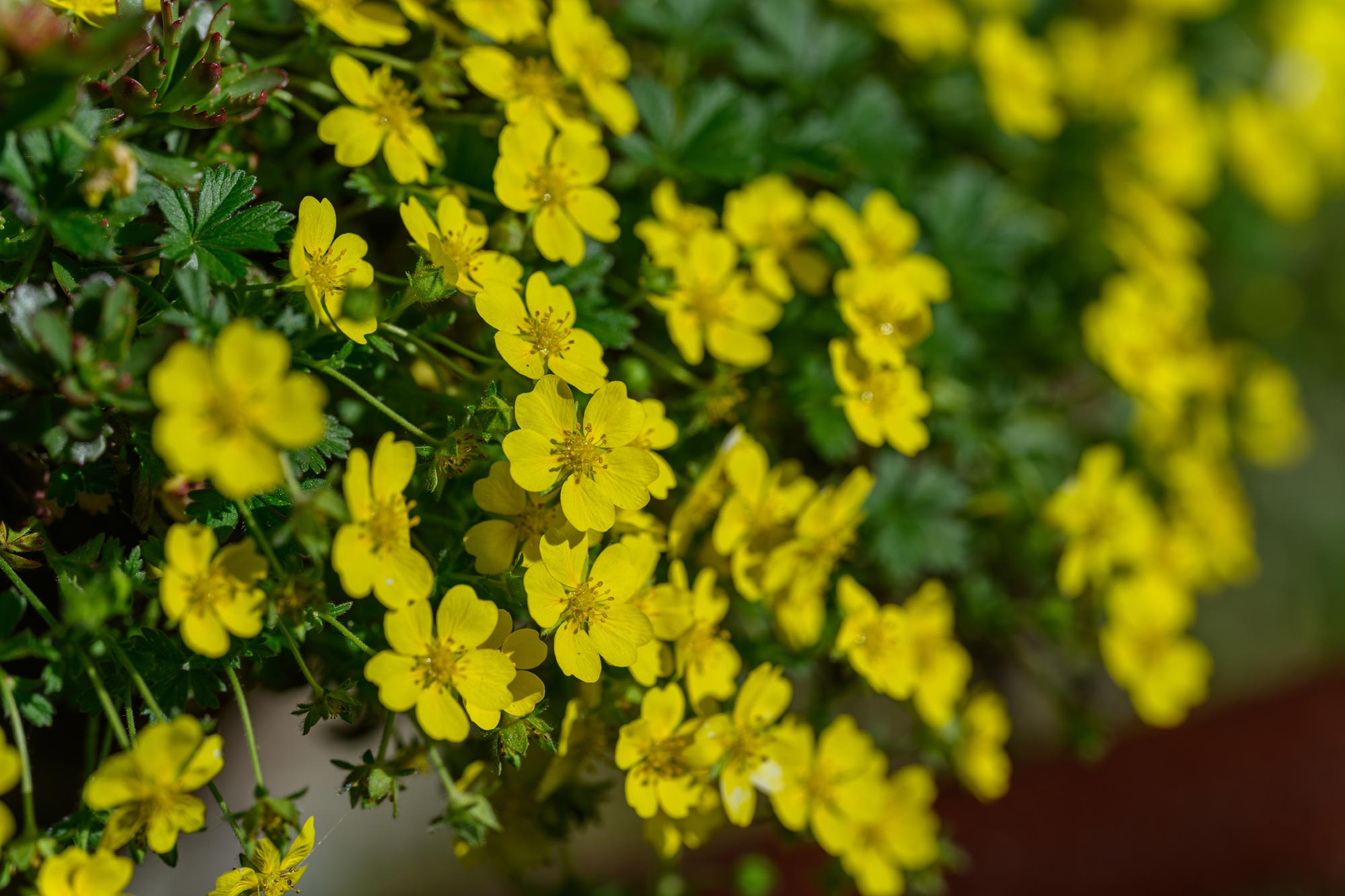 Tormentil (Potentilla erecta) is a perennial herbaceous plant widely distributed across Europe, traditionally used in herbal medicine for its astringent and antimicrobial properties. Its roots are rich in bioactive compounds such as tannins, ellagic acid, and agrimoniin, which have demonstrated antibacterial activity in laboratory studies. Credit: Shutterstock
Traditional remedies inspire modern testing
In our recent study, we investigated whether various Irish bogland plants contain compounds that could help fight multidrug-resistant bacteria.
To do this, we prepared extracts from over 70 different plant species collected from bogs across Ireland. We then tested them against clinically relevant bacterial pathogens in the laboratory – including bacteria which cause severe pneumonia and urinary tract infections.
We used antimicrobial susceptibility testing to see whether the extracts inhibited bacterial growth. This involved exposing the bacteria to the various plant extracts to see which extract inhibited the growth of the bacteria.
We then tested these extracts on biofilms to determine whether the plant compounds could prevent bacteria from forming biofilms. Biofilms are bacterial communities surrounded by a slimy carbohydrate shield that protects them from antibiotics, disinfectants, and the immune system.
Tormentil shows strong antimicrobial effects
Excitingly, our initial screening showed that tormentil extracts were antimicrobial and limited the formation of biofilms. This suggested these extracts contained compounds with antimicrobial activity, which may explain their historical use to treat infection.
We also explored whether these plant extracts could work in combination with existing antibiotics, as some plant compounds don’t kill bacteria directly but instead can make antibiotics work better. So we combined low levels of the antibiotic colistin – an antibiotic that is only used as a last resort against severe infections due to its potential toxicity to patients – with the tormentil extract. The low-level antibiotic dosage wasn’t enough to kill the bacteria when used on its own. But when combined with the tormentil extract, the plant compound enhanced the antibiotic’s efficacy.
Part of our team then performed an analysis to identify the compounds present in the tormentil extracts. Potentilla plants are known to contain naturally occurring compounds, such as ellagic acid and agrimoniin, which have antioxidant and anti-inflammatory properties.
We tested ellagic acid and agrimoniin compounds which were present in our bogland tormentil. We showed that these specific compounds could inhibit bacterial growth. This indicates they may be responsible for tormentil’s antimicrobial activity.
We subsequently found these compounds were doing this by scavenging iron – a nutrient that’s essential for bacterial growth. This effectively starved the bacterial cells, preventing them from growing. We are now focused on optimizing this antimicrobial activity and developing formulations to test its potential as a treatment in experimental models.
Plants offer new paths against resistance
Nature has always been a rich source of medicine. Many antibiotics that we use today originally came from natural sources. For instance, the potent, last-resort antibiotics vancomycin – which is used to treat MRSA (methicillin-resistant Staphylococcus aureus) and C difficile infections – came from soil microbes.
With antimicrobial resistance continuing to rise globally, we urgently need new approaches and treatments. Plants may be an underexplored source of both new antimicrobial compounds and of compounds that make existing drugs more effective.
The story of tormentil shows how nature and traditional medicine can work hand in hand with modern science to address today’s challenges. It also highlights that solutions can be found in unexplored places – even in a small yellow wildflower growing in a bogland.
Reference: “Bogland plant Tormentil inhibits multidrug-resistant pathogen growth and potentiates antibiotics by disrupting iron homeostasis” by Kavita Gadar, Maria Pigott, Cillian Jacques Gately, Ismael Obaid, Shipra Nagar, John J. Walsh, Helen Sheridan and Ronan R. McCarthy, 23 March 2026, Microbiology.
DOI: 10.1099/mic.0.001675
Adapted from an article originally published in The Conversation.
Never miss a breakthrough: Join the SciTechDaily newsletter.
Follow us on Google and Google News.