
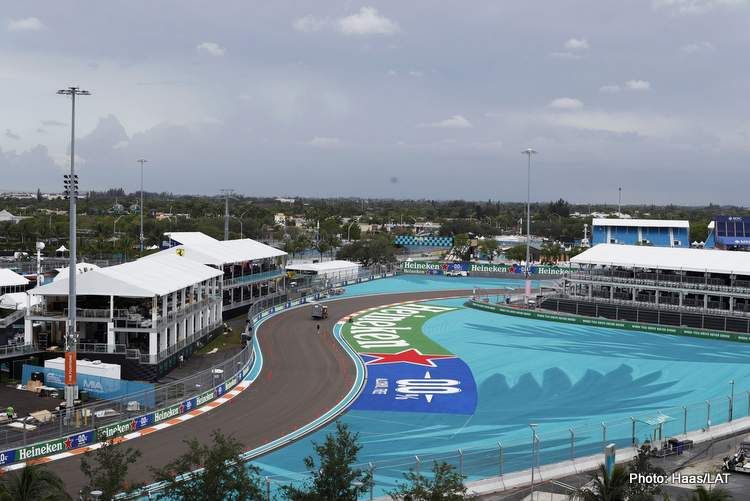
After a long unexpected break in April, Formula 1 will be back in action for the Miami Grand Prix next weekend, where the recent regulations tweaks will be implemented for the first time.After massive criticism from drivers and fans following the first three races with the new regulations in 2026, Formula One Management (FOM) and the FIA used the break in April to have discussions with the sport’s stakeholders to try and find some solutions for the yo-yo racing the new cars have produced, not to mention the more pressing matter of safety that was clear following Oliver Bearman’s crash in the Japanese Grand Prix.
Indeed, FOM and FIA agreed on changes that are mainly tweaks around energy deployment and harvesting with some changes to start procedures, which may end up complicating matters even more.
For now, it seems the changes are merely a band-aid on F1’s open wound caused by regulations that were not well thought through and developed by reacting to problems that arose on the way.
But will these changes be any good? The first time we can find out will be in Miami next weekend, where FP1 has been extended to 90 minutes to allow teams and drivers to trial them, especially since it will be a sprint format.
Former F1 driver David Coulthard is not sure the results of the changes will be tangible in Miami.
What to expect in Miami?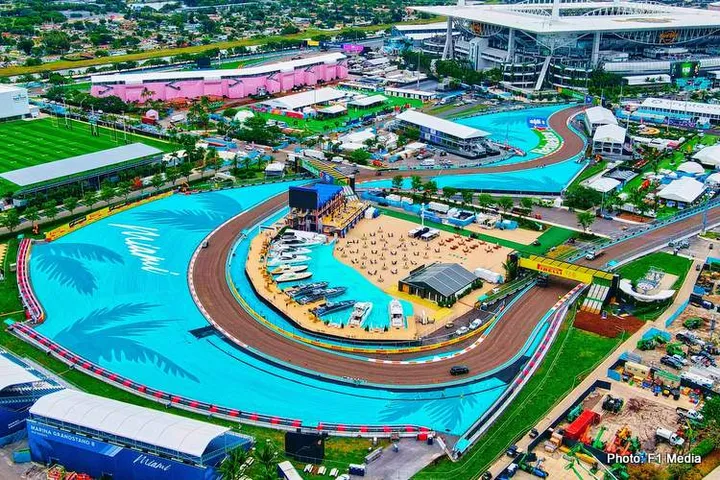
He said: “What’s going to be interesting to see is, and I think in Miami, we won’t necessarily see the results of these changes because of the nature of the race track there.
“A lot of slow and medium-speed corners. There isn’t really anything big and meaty, an iconic section of corners where you go, ‘Wow, I really saw the driver or the car do something special.’ So, I think we have to give it a few races.
“But I do think it will make a difference,” he claimed. “There’s no question about it. And it may reduce some of the on-track overtakes that some people have got excited about.
“But is a reduction in power when someone else has got the boost available because they were in the right place on the track at the point that they picked up that trigger that enabled them to have the boost? Is that really an overtake? It’s a power surge, isn’t it? It’s an increase in power.
“So, I think we may see less of those on-track overtakes, but they’ll be more meaningful. It’ll be more about the driver positioning the car, trying to pick up that slipstream.
“Yes, you’re still going to have an element of boost, but that’s effectively what DRS was in previous years as well. So, I’m optimistic,” Coulthard concluded. (Source: Up To Speed podcast)