
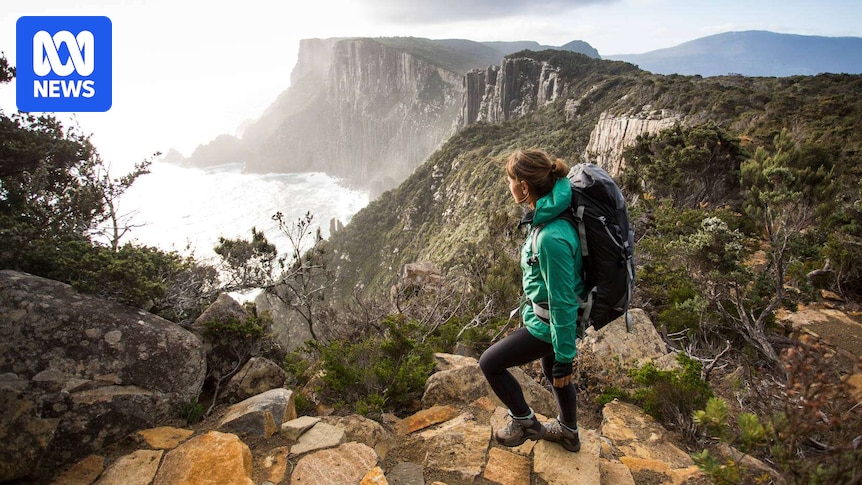
Influencers and content creators will be able to film and profit from content gathered in Tasmania’s national parks for just $100, under new regulations.
The Enthusiast Business Licence came into effect in December last year and replaced a previously complicated, expensive process, according to adventure influencer Michael Atkinson, who posts online as Outback Mike.
“I needed to get public liability insurance for $20 million, pay a fee of around $450, apply 28 days in advance [under the previous rules] and, for me, that wasn’t worth the amount of money,” he said.
“That cost would have been more than what I would have made from the actual content that was being paid, so I decided to just go ahead and do my hike without making the content.”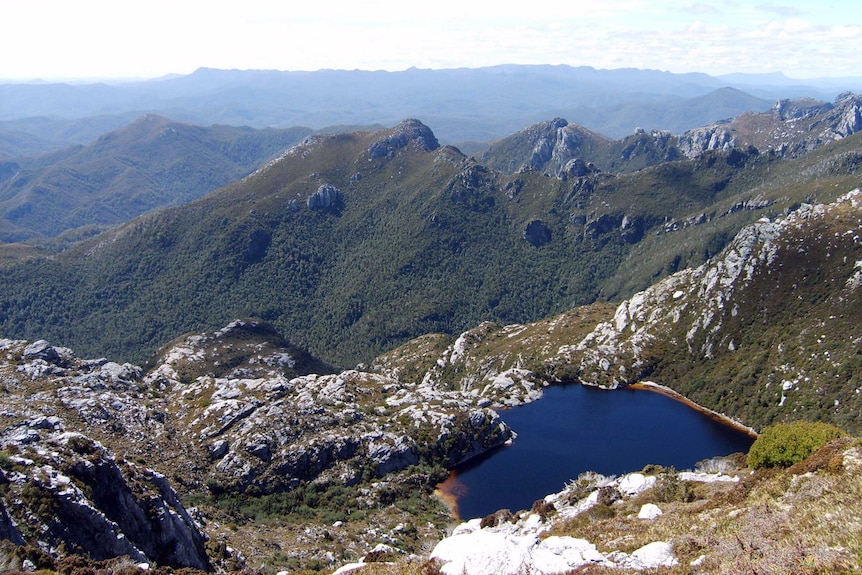
A popular Instagram identity says, while the new licence is an improvement, he is frustrated it stipulates sticking to the tracks. (ABC News: Felicity Ogilvie)
Social media content creators will need to pay $100 for the new licence, which will enable them to go to Tasmanian national parks to gather content for which they receive payment.
In this context, payment includes endorsements, sponsorship, and being given accommodation and travel, equipment or clothing.
The licence is for solo content creators who engage in small-scale filming and photography using handheld devices. The use of drones is not permitted.
It lasts for two years and removes the need for public liability insurance.
Loading Instagram content
A Tasmania Parks and Wildlife Service spokesperson said the new licence was part of a goal to minimise environmental impact.
Rob Parsons threatened with legal action after posting Tassie tiger video
“Tasmania is renowned for its pristine wilderness and unique natural and cultural values,” they said.
“We recognise the merit in responsible promotion of our parks and reserves while also ensuring our wild places remain protected for the enjoyment of future generations.”Loading…
Mr Atkinson said the new licence was an improvement, but he is frustrated that the licence stipulates the need to always remain on tracks.
“In south-west Tassie, for example, I should be able to leave the track and go and look at a headland or something like that,” he said.
“I understand for a place like Cradle Mountain, though, that would be appropriate.”
He said he did not agree with the idea that because a government runs a national park, they are owed money.
“That would be like CASA (Civil Aviation Safety Authority) demanding money any time the atmosphere is in a shot, or the ports authority saying, ‘The Derwent River appeared in the background, where is my money?'” he said.
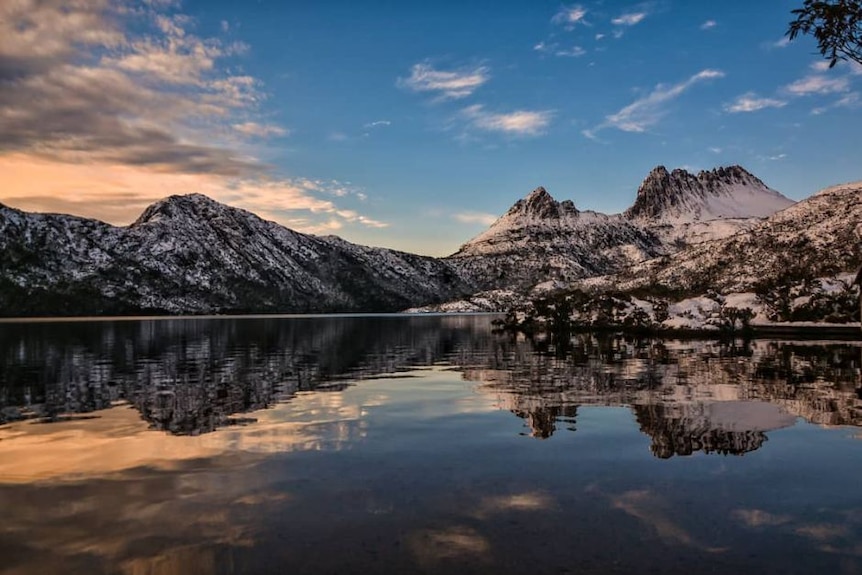
Cradle Mountain is a popular destination in Tasmania. (Supplied: Jai Moyle)
Cutting red tape
Tasmanian Parks Minister Nick Duigan said the change was made to make it easier and cheaper for influencers to come to Tasmania to create content.
“What we don’t want to see is our parks getting loved to death or people making videos about how you can go off track and do damage,” he said.Leave off the location in geotagging
Mr Duigan said the licence clearly outlines the holder’s obligations. The obligations include staying at least two metres away from wildlife and not using any single-use plastic items.
“There is a responsibility for people who would make content in our parks and publish it, that they’re doing the right things, that they’re staying on the tracks and not encouraging people to do things that might have a negative impact.”
‘Peaceful mountain tarn’ experience undone by spot’s popularity
When asked whether licence holders would need to share their social media handles, or if the content will be monitored, Mr Duigan said there was still “more work happening around this issue of content creator licences”.
He said the government was in the process of amending the National Parks and Reserves Management Act 2002 to remove the need for small content creators to obtain a business licence, and the new licence was a temporary measure while the act is being amended.
Mr Atkinson welcomed the further legislative reforms and said he would like to see a similar system to Queensland, where a licence is only required if there is a crew of more than six people.
Licence could be a ‘powerful mechanism’ in dealing with over-tourism
Tourism researcher Anne Hardy, an adjunct professor at Southern Cross University, said the new licence was a great tool to deal with over-tourism in parts of Tasmania.
“This is an attempt for [the Parks and Wildlife Service] to try and curb that growth,” she said.
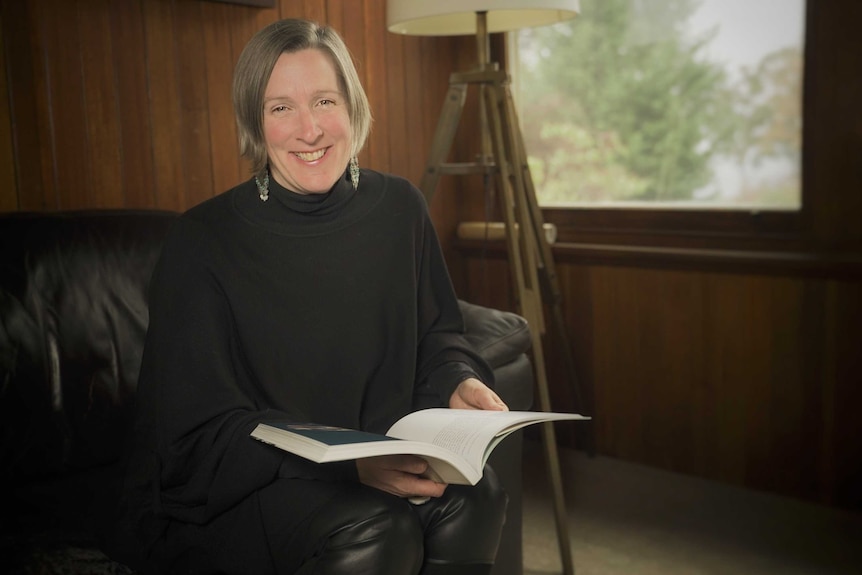
Anne Hardy says the licence process could provide valuable data. (ABC News: Mitchell Woolnough)
Ms Hardy said because the licence requires influencers and content creators to say where they intend to capture content, it would provide useful data to the government.
“If we could get clarity that it’s going to be used to try and protect and prevent over-tourism in the really highly popular areas, then this could actually be quite a powerful mechanism,” she said.
She said governments needed to work with influencers, as they could help promote important messages.
“Over the past couple of years, it’s been reported that Tasmania has experienced record numbers of people coming into trouble in protected areas … that’s where the influencers can play a very powerful role.”