
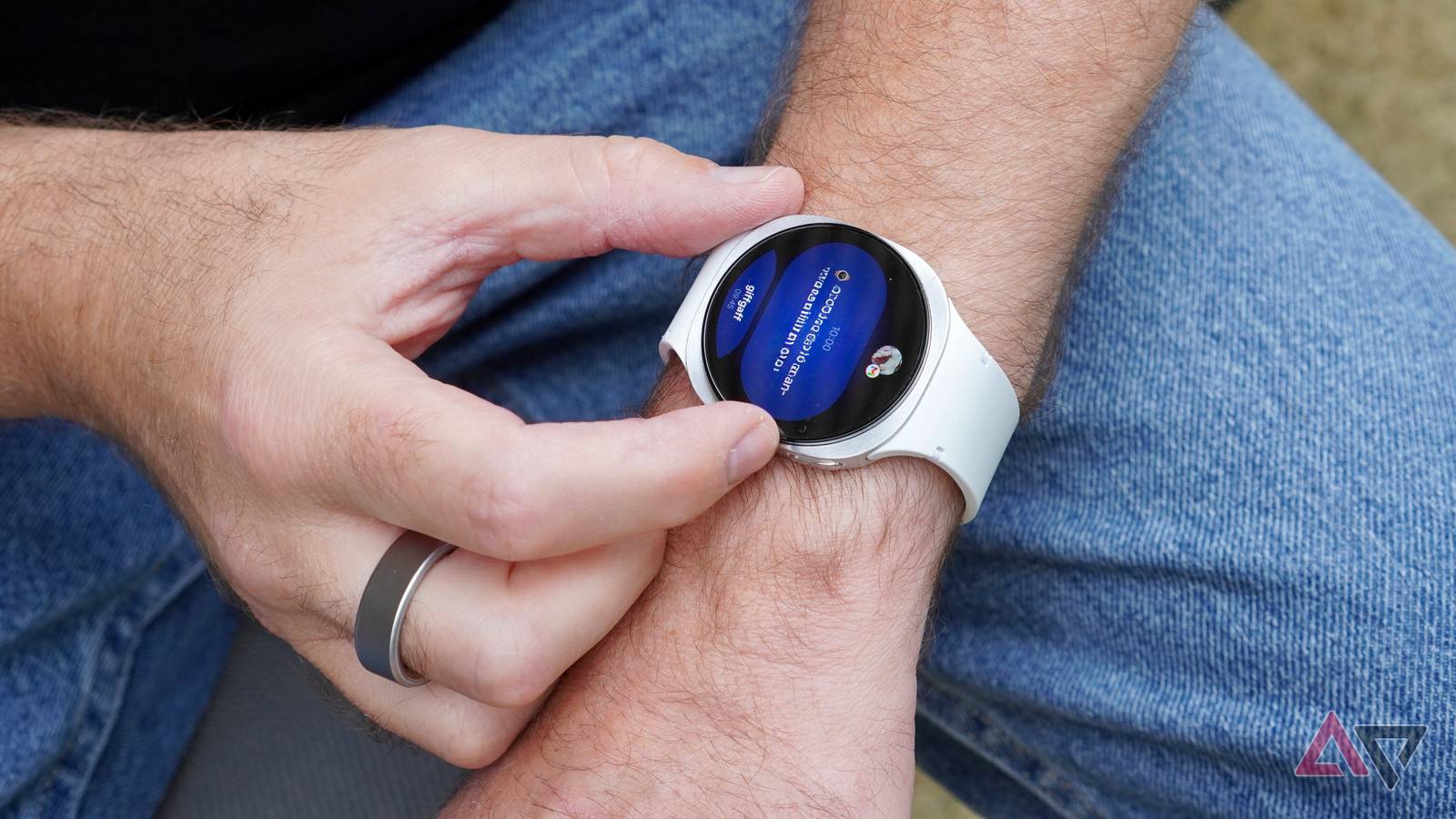
Whether it’s when typing on a phone’s keyboard or when a notification arrives on a smartwatch, most of us will have felt the gentle buzz from haptic feedback on a mobile device.
However, what if haptics went a step further, and became a language of their own, ready to not only reduce screen time, but to communicate information, improve wellbeing, and even manage anxiety?
Interpreting vibrations
The concept of haptics being a communication method filled with emotion and information, rather than just an alert, is the concept behind a doctoral thesis written by Tallinn University’s Yulia Sion.
It’s based on how the vibrations we’re all used to feeling could become “tactons,” a contraction of tactile icons, or complex, non-visual messages that are felt rather than seen.
For example, Sion demonstrated how tactons could be used as a way to lessen anxiety and increase focus in high-pressure situations like public speaking, through the haptic equivalent of a pat on the back.
Research also included people translating memories into haptic patterns, and different intensities, rhythms, and durations were all interpreted in a different way. As we already experience on mobile devices, irregular prodding haptics are used for urgent notifications, while gentler ones don’t produce the same response.
Interpreting the environment
Through deeper research into linking tactons with emotion, it was suggested they could be used to simulate touch from loved ones in messages and communication, or to enhance story telling.
It’s noted that most people will interpret urgent haptic messages in the same way, but others can be more subjective, and some training may be required so people learn to associate tactons with the correct emotion. It’s also important to ensure haptics are suitably different from each other, otherwise messages can get confused.
Elsewhere, Sion investigated how tactons could communicate information on an environment to low vision, or blind people, either as an aid to audio information, or as a replacement in situations where sound wasn’t appropriate.
A new language
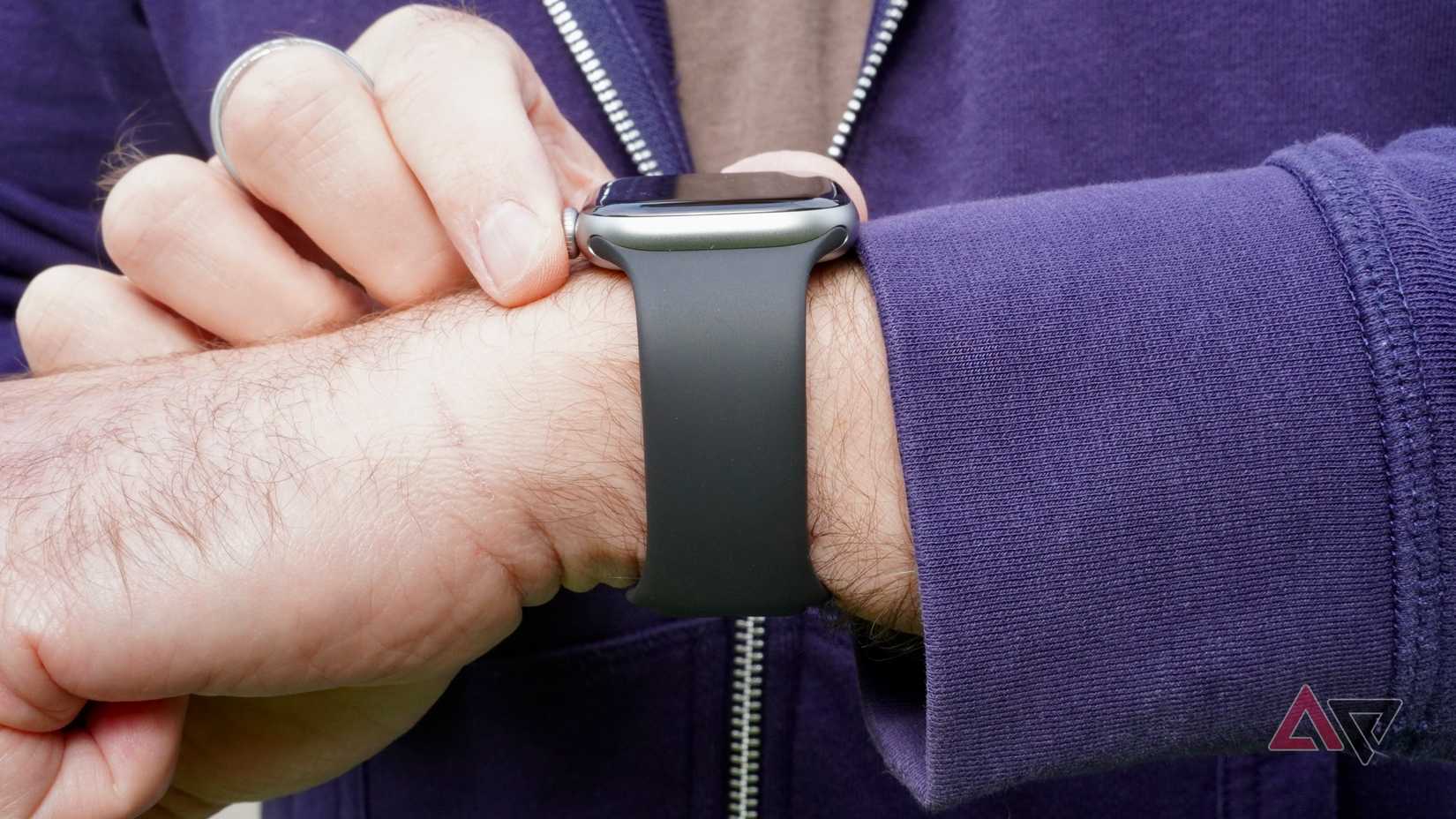
It’s fascinating to consider how technology we experience each day, and likely take for granted, could become an entirely new “language,” and potentially affect the way we feel.
However, a few upgrades to the motors may be required if we’re going to get the more nuanced messages through haptic feedback. For example, the paper looked at how more powerful actuators could be added to smart clothing, such as vests, to increase tactility.
It’s not hard to imagine how effective haptics could be at transmitting more complex messages, as we already experience it to a certain extent through some motors now, whether it’s the intensity of a game through a Sony DualSense controller, or the already surprisingly emotive haptic prods from an Apple Watch Series 11 when a call comes in.
The complete paper is available to read here, if you’d like to learn more.