
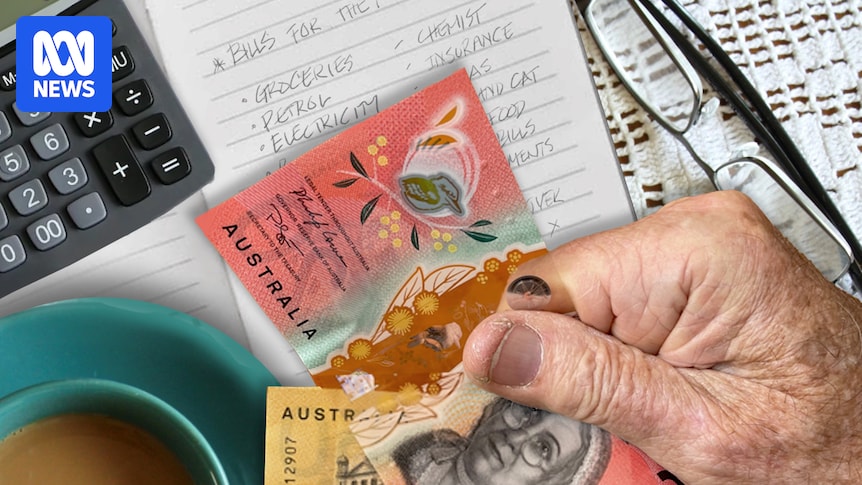
Headline inflation accelerated dramatically in March, with consumer prices increasing at an annual pace of 4.6 per cent, up from 3.7 per cent in February.
Economists had been expecting inflation to jump higher because the war in the Middle East had caused the largest global energy shock since the oil crises of the 1970s and 80s.
Australian Bureau of Statistics (ABS) data shows the consumer price index (CPI) rose by 1.1 per cent in March, driven by transport prices, which rose 9.2 per cent due primarily to a 32.8 per cent monthly increase in automotive fuel prices.
However, trimmed mean inflation, which is the Reserve Bank’s preferred measure of underlying inflation, remained steady in March at 3.3 per cent.
The ABS says when prices for some items change significantly, such as automotive fuel, the trimmed mean measure of inflation can give more insights into how inflation is trending.
The Reserve Bank of Australia wants inflation to average 2.5 per cent over the medium term.
Fuel prices and inflation
The surge in fuel prices in March was so large that the ABS has published a dedicated page explaining how fuel prices affect the CPI measurement.
The ABS says the conflict in the Middle East and interruption of oil passing through the Strait of Hormuz has reduced the supply of oil exports from the region this year.
It says the supply disruption has seen significant volatility in the global price of oil, which has led to higher petrol and diesel prices all around the world.
The disruption saw automotive fuel prices spike last month, increasing by 32.8 per cent from the previous month.
Stagflation is a ‘central banker’s nightmare’, says RBA deputy governor
It says fuel prices in March were 10.7 per cent higher than the previous peak in September 2023.
Treasurer Jim Chalmers said the numbers showed that Australians were paying a hefty price for the war in the Middle East.
“These figures are [from] before the government’s temporary cut to the fuel excise took effect but they show why it is necessary,” he said.
“Since we halved the fuel excise, we’ve seen petrol and diesel prices fall by at least 70 cents in most capital cities and this shows how important that fuel excise relief is for the next couple of months,” he said.
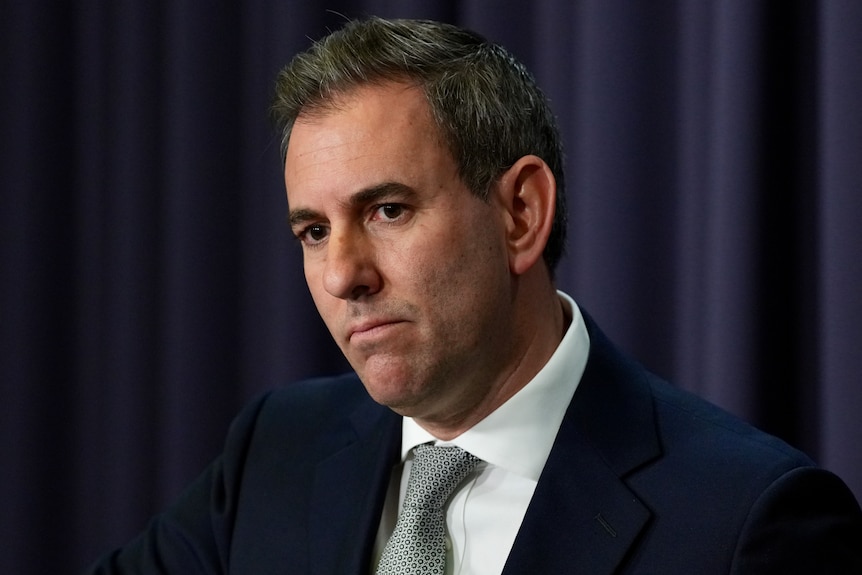
Jim Chalmers says Australia’s economy has been impacted by the conflict overseas. (ABC News: Callum Flinn)
What do economists say about inflation and interest rates?
Callam Pickering, Asia Pacific economist at Indeed, said while there were transitory factors pushing inflation higher, it would “surely get worse” in the near-term.
“The data for March gives us a glimpse of what to expect going forward as inflation pushes towards, and potentially beyond, 5 per cent,” he said.
He said the RBA was battling inflation on two fronts, because it already had been dealing with a homegrown inflation problem before the conflict in the Middle East erupted.
Powering paradise just got a lot more expensive
“Fuel prices rose 33 per cent in March and will remain high in the near-term. There is little the RBA can do to fix that particular problem, though higher interest rates may help marginally by keeping the Australian dollar high,” he said.
“What happens over the remainder of 2026, however, will primarily reflect overseas factors. Higher petrol prices act almost like a tax increase since it’s often difficult for people to reduce their fuel consumption.
“Combined with higher interest rates, it could lead to reduced domestic demand for goods and services, which may provide some price relief. But one suspects the actions of a certain US president may have a bigger impact on Australia’s inflation outlook,” he said.
BetaShares chief economist David Bassanese said he thought the RBA Board would lift interest rates again next week.
“Inflation pressures were already evident before the Iran conflict began,” he said.
“Unlike some other central banks, the RBA is less able to look through another near-term inflation shock as there is a greater risk it feeds into inflation expectations and wage- and price-setting behaviour at a time of still-tight labour and product markets.
“Beyond May, however, the case for further interest rate hikes is less clear-cut,” he said.
Loading…