
 12 min read
Every cyclist likes the idea of free speed.
“Free” is a little misleading, of course. None of this is actually free, and no product is going to replace fitness, skill, or the willingness to ride hard when the moment calls for it. But some upgrades do offer a rare kind of bargain: They make you faster, or make a given speed cost less, without asking you to get fitter, suffer more, or change anything once the ride starts.
Before getting into the roundup, one note: I’m intentionally leaving frames and complete bikes out of this story. Not because they don’t matter, but because the answer there is relatively straightforward. If you want the fastest bike, start with the lightest, most aerodynamic road bike you can get your hands on, then layer in the same aero, rolling-resistance, and friction-saving tricks you’ll find below.
Cervélo’s S5 is the easy shorthand here—a bike built around aerodynamic efficiency first, which makes it a useful example of what a fast platform really looks like. The rest of this story is about everything you can do after that. If you want to read more about aereo bikes, read my storis about whether aero bikes actually make you faster and how pro teams choose between an aero bike and a climbing bike.
Most meaningful free-speed upgrades reduce one of three losses: air resistance, rolling resistance, or drivetrain friction. For climbers, there’s a fourth category too: weight. But if you want the biggest bucket, start with aero. Once you’re riding at a decent clip, air is the largest force you’re fighting, which is why the biggest gains come from cutting drag. And because the rider is such a large part of the aerodynamic equation, the best place to begin is not always the bike. Often, it’s the rider. That’s also part of what Dan Chabanov gets at in his smart piece on what we get wrong about aero upgrades.
A quick note on numbers: For the most part, I’m intentionally not attaching precise watt, speed, or time-saving claims to every upgrade in this story. Not because the gains aren’t real — current research and available testing clearly show that these products can improve speed and efficiency — but because this is one of those areas where the honest answer is usually, “It depends.”
Rider position, speed, wind, tire choice, wheel shape, road surface, and a dozen other variables all change the outcome. So rather than pretend there’s one neat number that applies to everyone, I’m focusing on the upgrades that most consistently reduce drag, rolling resistance, or friction, and therefore make the strongest case for real-world free speed.
Trevor Raab
Air Resistance: The Biggest Speed Gains Live Here
If you want to waste less energy on the bike, this is the first place to look. Aero is where the biggest gains live, and it’s also where the category has changed most over the past several years. Many of the old fast products came with obvious tradeoffs: more weight, hotter helmets, twitchier wheels. Much of that has gotten better. The math has been telling us this for a long time, and as I argued after the 2025 Tour, aero is now the main event.
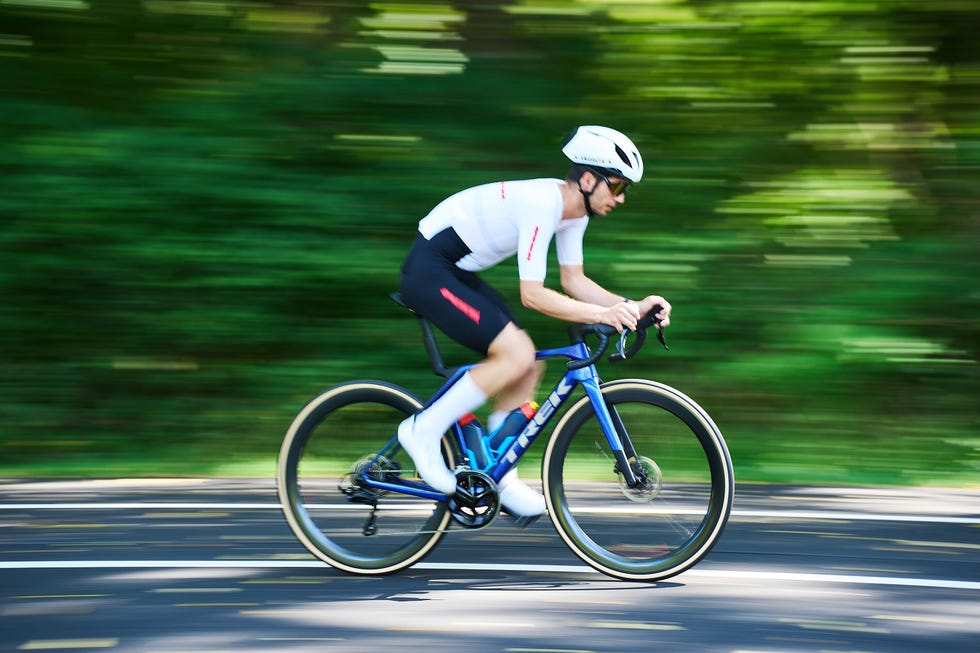
The biggest aero upgrade may not be a product at all, but position. Body position plays the biggest role in a rider’s aerodynamics, and that squares with what we’ve seen elsewhere: your body accounts for most of total drag. That’s why fit belongs at the front of this category. A good bike fit that helps you ride lower, narrower, and more comfortably can pay back in a bigger way than many hardware upgrades, but only if the position is sustainable. The fastest setup in theory is useless if you can’t actually hold it. In my own riding, a professional fit remains one of the best performance investments I’ve made, and more recent refinements — including a move to 165 mm cranks — made it easier to hold a lower position without feeling crowded at the top of the pedal stroke. That thinking runs through my bike-fit story and my more recent piece on shorter cranks for older riders.
After that, the obvious places to look are the ones meeting the wind first.
Matt Phillips
Aero cockpit and narrower handlebars
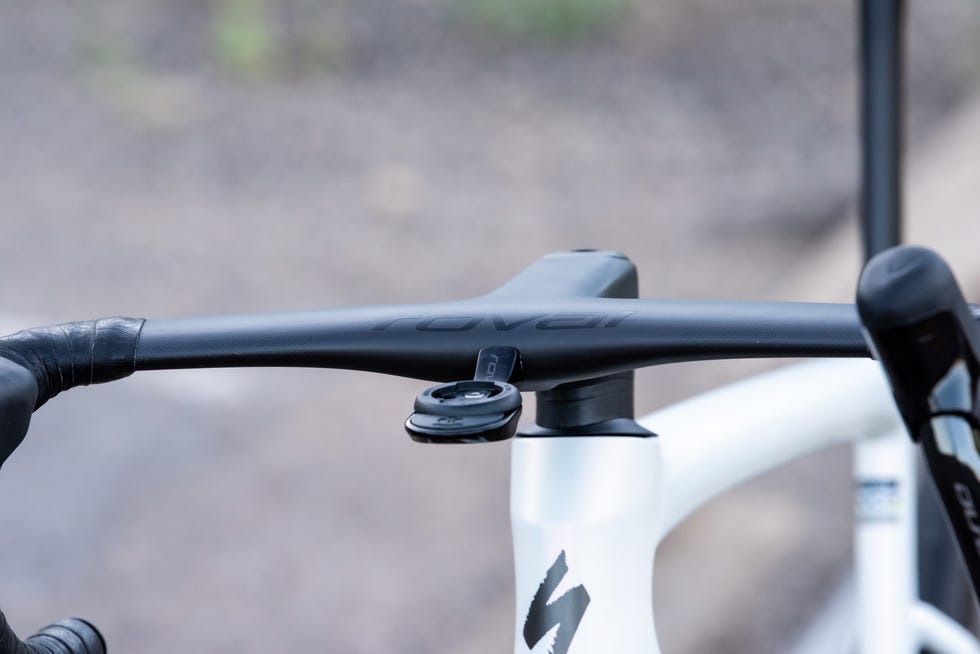
This is one of the more meaningful equipment-based aero gains because it can reduce your body’s frontal area while also cleaning up the bike’s leading edge. A narrower handlebar is often the bigger story than the one-piece construction itself. Dan Chabanov made that point in his KOM story when he swapped from a round 40 cm bar to a 38 cm aero-shaped cockpit and noted that the biggest gain likely came simply from going narrower.
That same idea runs through a lot of modern cockpit design: make the front of the bike cleaner, but more importantly, make the rider narrower without wrecking comfort or control.
That caveat matters. A narrower, more aero cockpit is only faster if it still lets you ride well. If it compromises fit, handling, breathing, or stability, the gain can disappear quickly. But when the width and shape are right, a cockpit like Specialized’s Roval RapideCockpitis exactly the kind of upgrade that fits this story: cleaner in the wind, more purposeful up front, and capable of making a fast position easier to hold.
trevor raab
Aero helmet
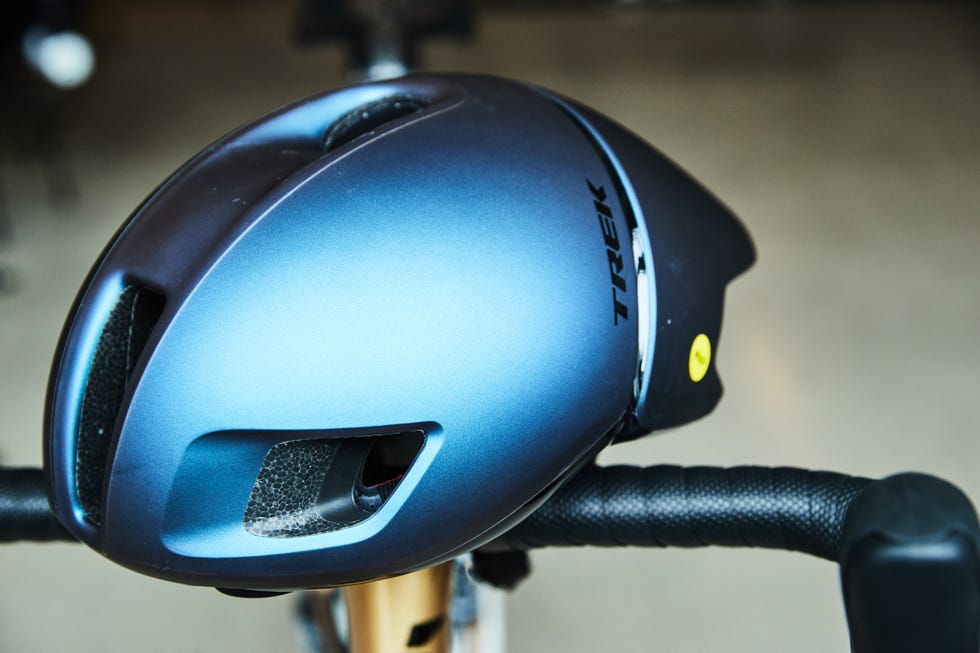
For years, aero helmets came with too many compromises: too hot, too heavy, too ugly. That tradeoff is mostly gone. Modern aero helmets are simply good helmets, and once the comfort penalty disappears, the case gets pretty straightforward. You’re wearing a helmet anyway, so why not wear the one that saves a few watts? I made a version of that argument in the best upgrades for riders in their 50s, and I believe it even more now.
Recently, I’ve been riding in Sweet Protection’s new Tucker III, which I find exceptionally comfortable with great ventilation.
Spatzwear
Aero clothing
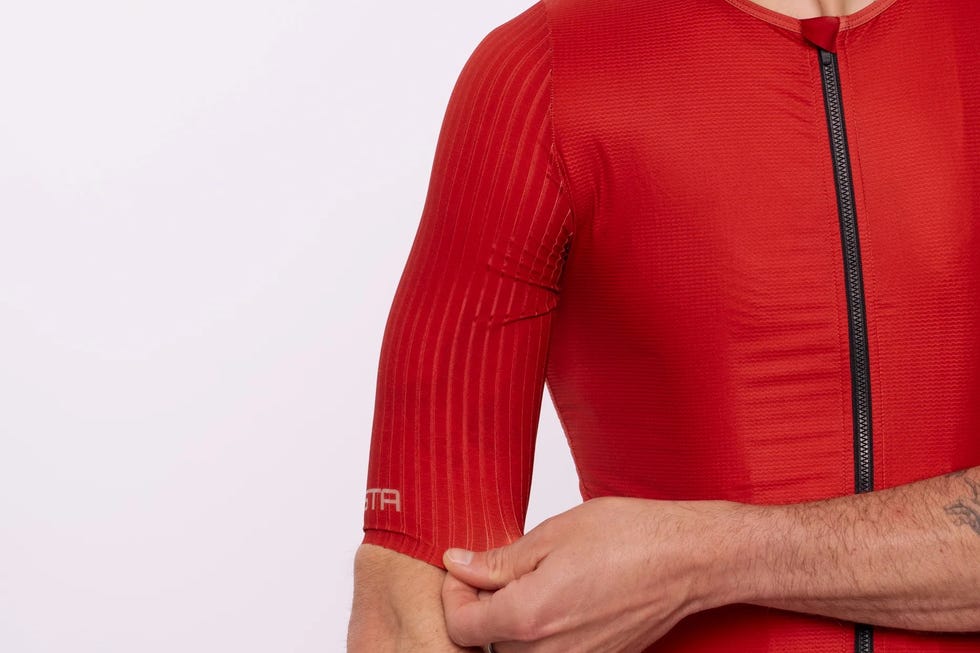
A well-cut aero jersey or skinsuit-style road kit can make a real difference because it smooths airflow over the part of the system that creates most of the drag: you.
However, you don’t necessarily need “aero” apparel. A good place to start is just to wear better-fitting clothing. Generally, tighter is faster than loose and flappy.
But there is apparel that goes beyond tight and features textures, seam placement, and cuts that reduce drag.
I’ve recently tried PearliZumi’s newly launched Pi Pro/Black collection, which features well-crafted aero jerseys with the signature aero tripwires on the sleeves. Note: Like most aero clothing, these jerseys fit very tight, so consider going a size up.
If you don’t want to buy a whole aero jersey, there is an emerging category of baselayers that provide aero benefits to your existing jerseys.
Rule28 makes one of the more interesting options. Its unisex “bra” is basically just a set of sleeves that you wear that gives your jersey sleeves with aero tripwires. What’s extra cool about the Rule28 version is that they make two versions: One for speeds under 50Kph and one for speeds over 50Kph. Why? Because for maximum aero efficiency, different speeds require different fabric textures.
Other purveyors of aero base layers include: Sockeloen, Velotoze, Verge, and Aero Cycling Gear. Like aero socks, though, there are cheaper options available if you do a little digging. I found this on Temu.
Trevor Raab
Aero socks and shoe covers
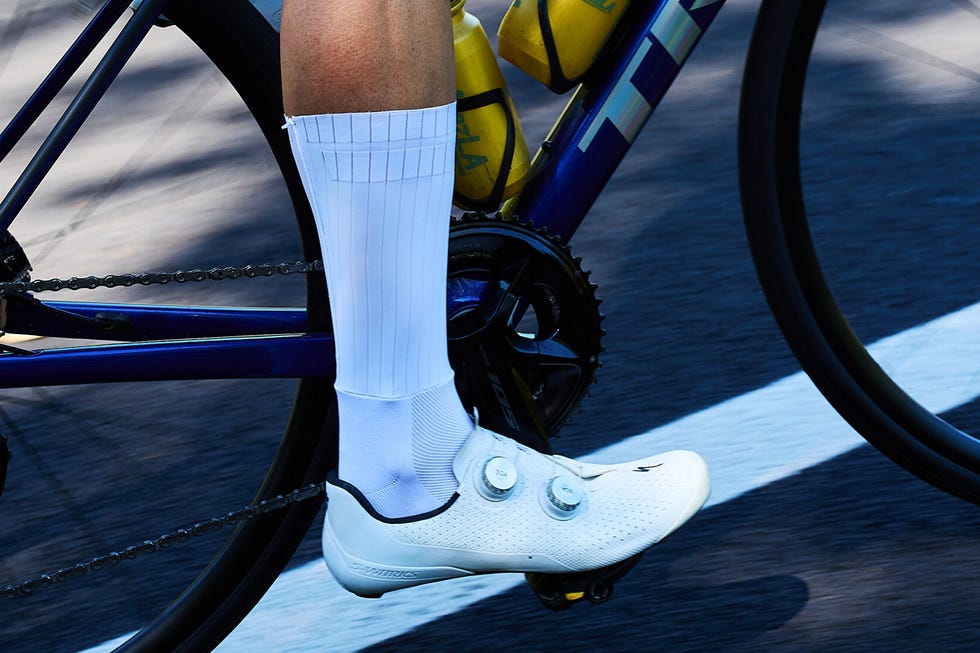
These are classic marginal-gains products, but they’re not fake. Swiss Side’s testing found measurable watt savings from textured compression socks at high speed, and even when the raw numbers shrink in more normal riding conditions, the principle still holds. The same goes for shoe covers: they clean up a surprisingly messy part of the rider-bike system.
While some aero socks are shockingly expensive, Sockeloen’s 468 aero socks, for example, sell for $55 a pair. Dan rides in and recommends these aero socks from AliExpress, which sell for less than $10 a pair, and are often offered for even less.
If you want maximum gains, go from socks to overshoes. Rule 28 offers overshoes in an extra-tall height. These do not comply with the UCI’s equipment regulations, but if you want maximum aero benefit, that is found here.
Matt Phillips
Lace-up shoes
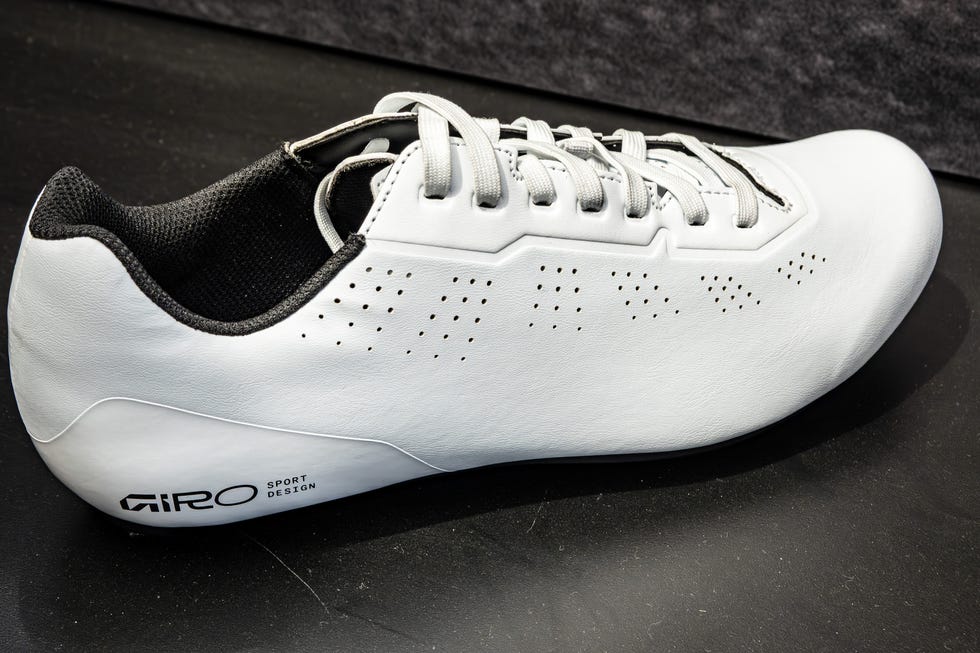
A smoother upper with fewer dials, straps, or protrusions can reduce turbulence, and some lace-up shoes also bring a lighter, lower-bulk feel. This is not a huge gain, but it fits the same logic as the other rider-facing aero tweaks.
Specialized’s Torch Lace is one example of a light and stiff lace up shoe. You’ll often see it in use by Remco Evenepoel. Another example is the DMTs Pogi’s, the signature shoe of the sport’s dominant rider.
But if you don’t want to spend pro-level money, Giro recently launched the $125 Stylus II, which features lace-up closure and compatibility with both 2- and 3-bolt cleats.
Trevor Raab
Aero wheels
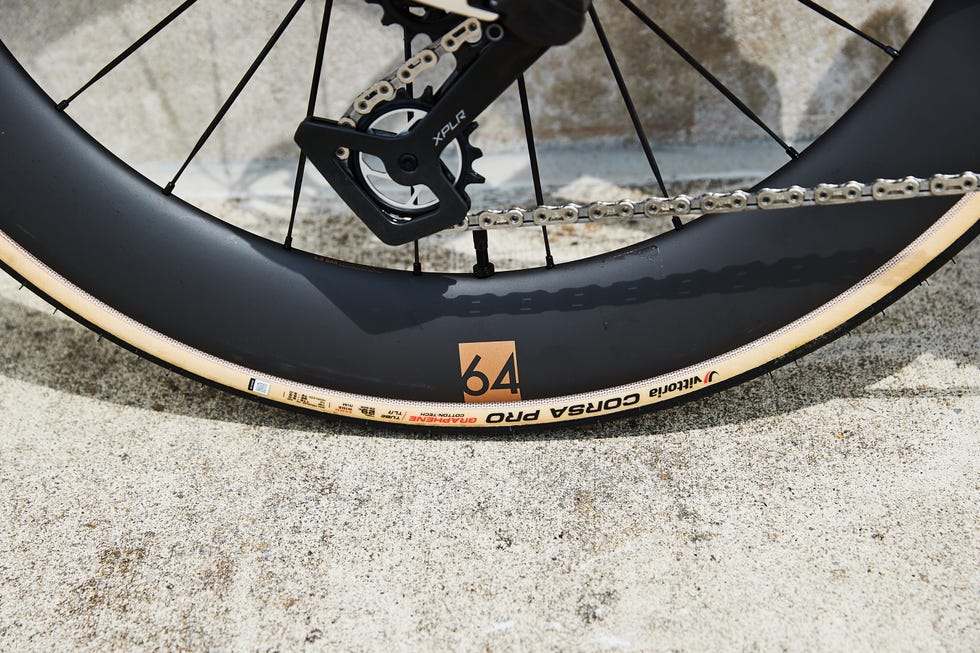
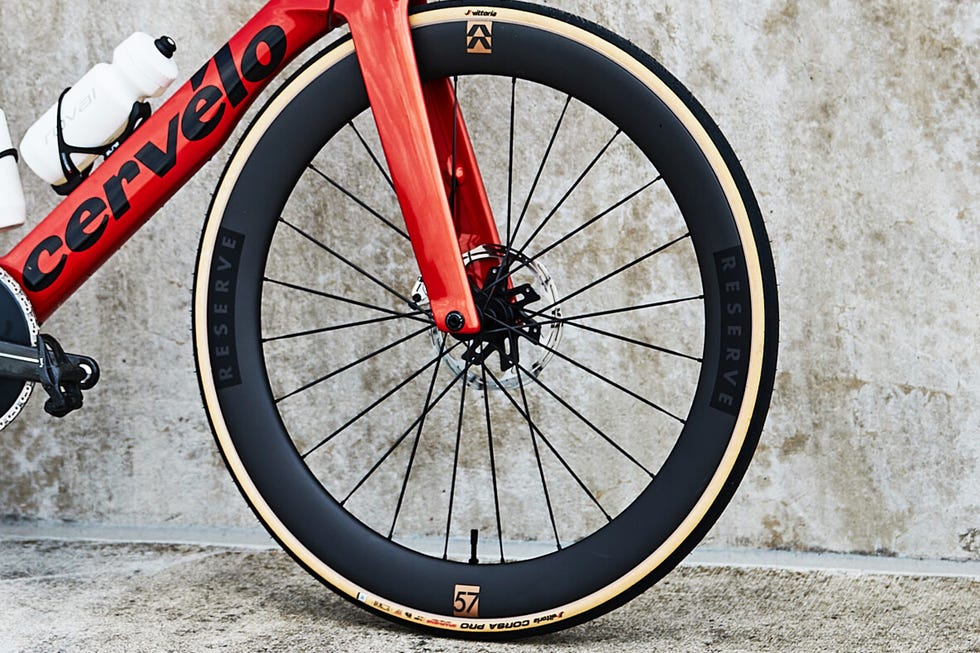
A good aero wheelset doesn’t just save watts on paper. It changes how the bike carries speed, especially once the pace picks up. And the best modern aero wheels are much easier to live with than old-school deep sections: faster, more stable, and better matched to the tire sizes people actually ride. That last part matters, because aero doesn’t happen in isolation. Tire, rim, and pressure work as a system.
SILCA’s Rule of 105 remains a useful shorthand here: the rim should be at least 105 percent as wide as the tire to help airflow stay attached longer. Swiss Side’s wheel-combination data is also a useful reminder that deeper fronts generally reduce drag, but shallower fronts can reduce steering moment substantially, making them more stable in crosswinds. The fastest option on paper is not always the smartest one on the road. There’s even a newer subcategory here — aero-specific front tires, like Continental’s Aero 111 — that makes the same broader point: tire, rim, and airflow now have to be thought of as one system, not separate parts.
Some of our favorite wheels include: Reserve’s 57|64 SL TA, the Roval Rapide Sprint, the Bontrager Aeolous Pro 51, the Light Bicycle Aria 65, and Hunt’s 5AM Limitless.
Matt Phillips
Aero pedals
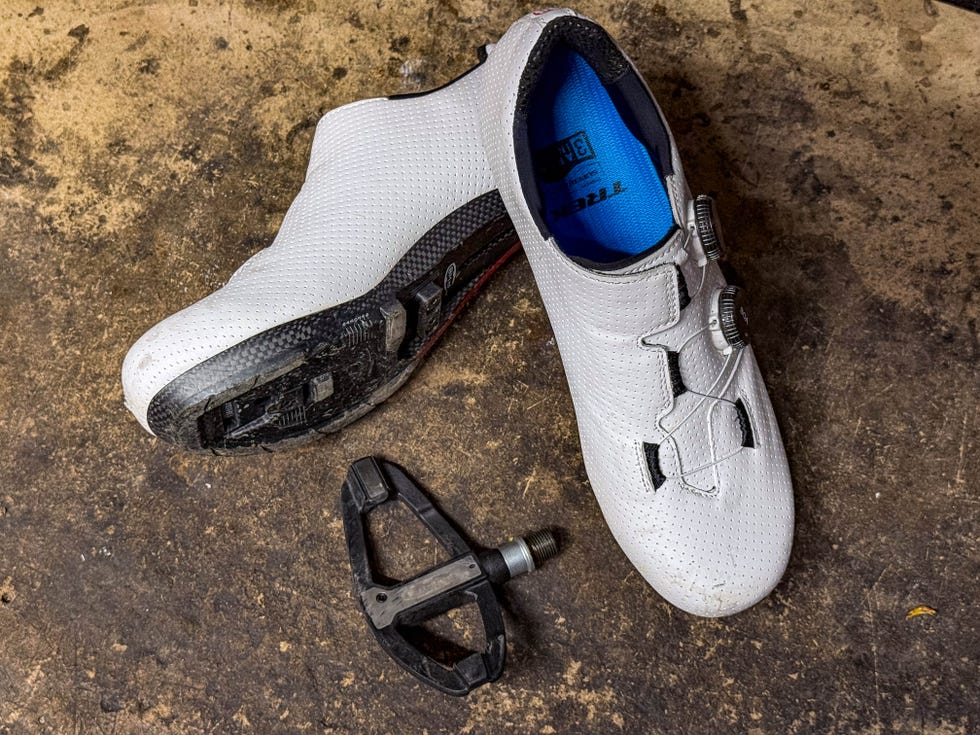
These are not the first upgrade I’d make, but they belong in the conversation. Once you’ve addressed the big leaks, the smaller ones start to matter more.
If you’re looking for current road pedals marketed around aero gain, the two main options are the Speedplay Aero and the Ekoi PW8. Both are unconventional designs, but in my experience, both function well, though I think, on the whole, the Ekoi offers more benefits than the Speedplay. However, the Speedplay’s cleat is likely to be compatible with your current road shoes, while the Ekoi requires a special shoe.
Trevor Raab
Aero bottle and cage system
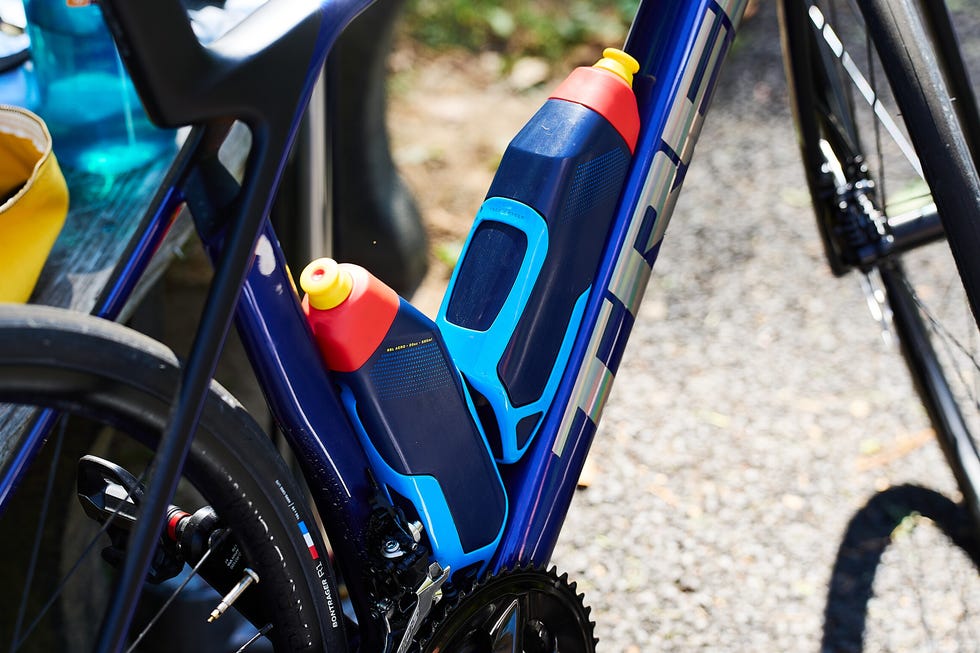
This is another detail upgrade that makes more sense than it once did. Brands are increasingly treating bottle and cage shapes as a way to improve the overall aerodynamic profile of a bike. In fact, many bikes are faster with a bottles and cages than without.
Dan Chabanov’s story about reclaiming a KOM from an Olympian is a nice reminder that once you start stacking enough of these little advantages, they can become very real.
Trek originally developed the RSL Aero Water Bottle and Cage for the eighth-generation Madone, but now sells it after-market so you can install it on your frame.
Trevor Raab
Rolling Resistance: The Easiest Place To Buy Speed
If aero is the biggest bucket, rolling resistance may be the most satisfying one because you can often feel the difference immediately. Fast tires don’t just save watts; they usually make the bike ride better.
Fast tires
This is one of the easiest recommendations in the story. Tires are one of the few upgrades that can make a bike feel quicker, smoother, and more composed all at once. They’re also one of the few places where stock bikes often leave real performance on the table. Dan Chabanov has written in The First Upgrade You Should Make to Your Bike and Three Cheap Ways to Make Your Bike Faster that the gap between a basic training tire and a high-performance tire can, in some cases, reach around 10 watts or more per tire, while Tara Seplavy found in You Can Drop Nearly a Pound From Your Road Bike for $175 that simply swapping stock tires on popular mid-priced road bikes could save hundreds of grams while improving speed, grip, and ride quality. That’s real speed, not just the feeling of it.
Personally, I’m riding and love the 30mm Continental Archetype. It’s crazy fast: even more so than the already fast Conti GP5000 S TR, and I’ve been impressed with its flat resistance so far.
But most tire makers involved in pro racing make a very fast road tire, so you can find great options from Specialized, Vittoria, Cadex, Continental, Pirelli, and Michelin.
Trevor Raab
TPU tubes
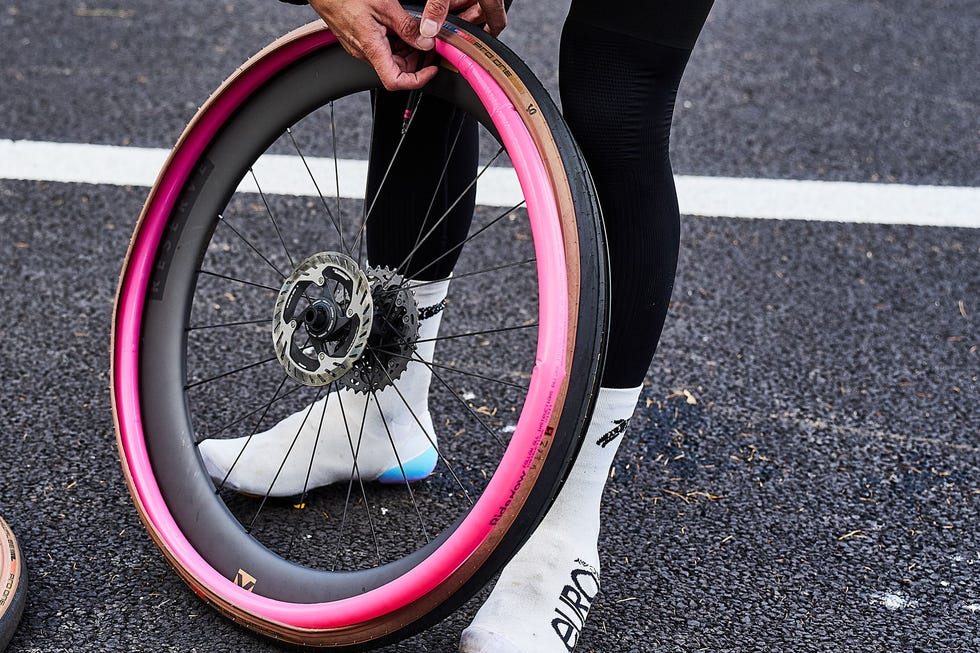
TPU makes a lot of sense here because it lowers rolling resistance compared to butyl, cuts rotating weight, packs tiny as a spare, and asks less of you than tubeless or latex. Tubeless is still technically the fastest when everything is optimized, and latex remains extremely competitive, but TPU has become such a strong real-world choice because it gets so close while being easier to live with. As I wrote in What Is Fastest in Your Tires: Latex, TPU, or Tubeless?, the interesting part is how close the fast modern options are to one another — and how much better all of them are than butyl. The Ultimate Guide to Bike Tubes: Butyl, Latex, and TPU Explained and The Best Bang for Your Buck Upgrade Is Not What You Think make the same case from slightly different angles.
While some TPU tubes sell for upwards of $40 each, we use and like the RideNow tubes (with metal valves) available on Amazon, which sell for about $46 for a four-pack.
Just be sure you’re using the right TPU tubes if your bike has rim brakes.

Trevor Raab
Pressure optimization
This may be the most overlooked speed adjustment most riders have, and it is totally free. The old idea that more pressure is always faster does not hold up well on real roads. Too much pressure increases vibration losses, while a little less pressure often improves both speed and comfort.
But with tires, the fastest setup is never just on thing. It’s about tire, rim, pressure, road surface, and speed.
On smooth pavement at higher speeds, narrower can still test faster, especially when it better matches the wheel aerodynamically. On rougher roads, wider and lower-pressure setups often claw back that advantage or surpass it. Dan’s story on the fastest road tire size is useful here because it shows how conditional these answers really are.
Tire pressure calculators are your friends here. Check Dan’s story below for more information about this useful and free tool.
Related Story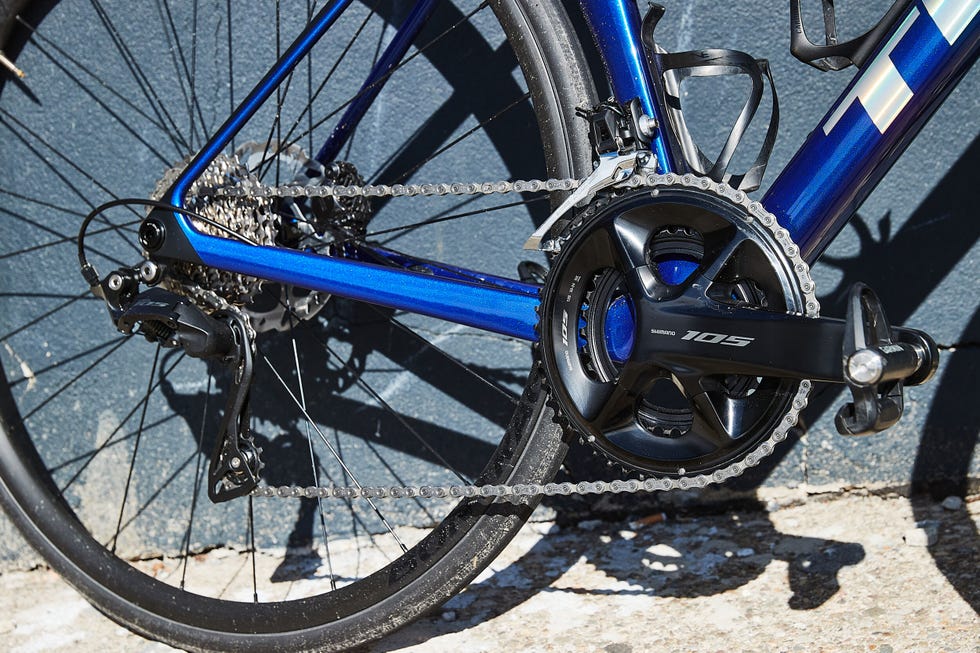
Trevor Raab
Drivetrain Loss: Small Numbers, Real Gains
This is the smallest of the three main buckets, but it’s still real. Less friction in the drivetrain means less of your effort disappears before it gets to the rear wheel. And a huge benefit to reducing drivetrain friction: Your components can wear more slowly, saving you money in the long run by stretching out the time between replacements.
It’s all broken down in our story “How the Right Lube Extends Drivetrain Life and Lowers Costs.”
Trevor Raab
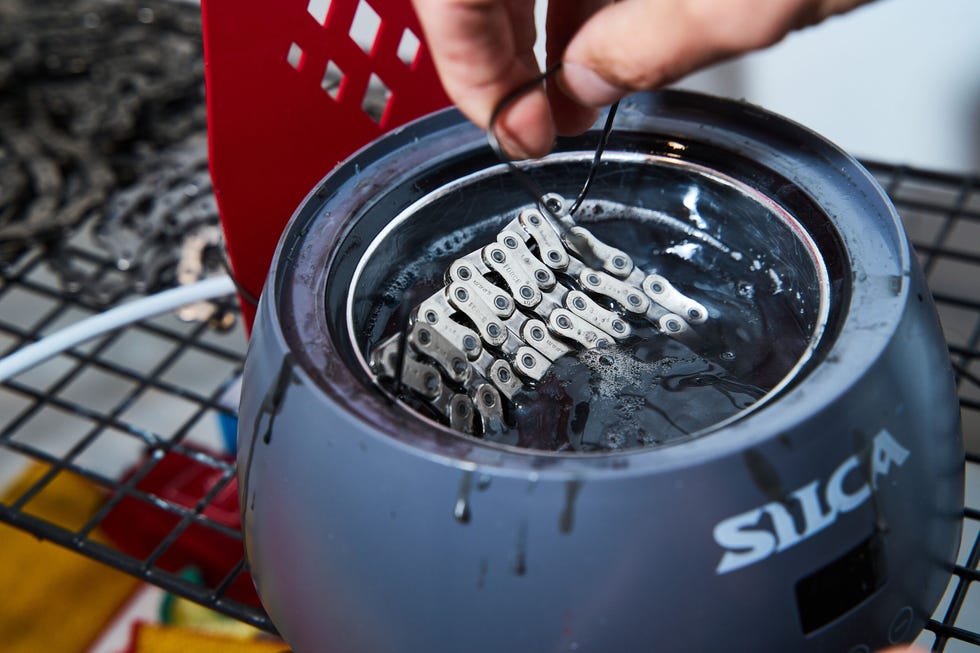
Waxed chain
A well-prepped waxed chain can reduce friction, stay cleaner, and often run quieter than a traditionally lubed chain. SILCA frames drivetrain performance as power lost through the system and says chain efficiency can vary significantly depending on chain, lubricant, and conditions. The takeaway is simple: less friction means more of your effort makes it to the wheel. SILCA also notes that wax helps keep contamination out, which is part of why a waxed chain can stay both efficient and clean.
Overall, Bicycling’s editors, myself included, like Silca’s Chain Waxing System, its hot wax products, and its drip lube for top-offs between hot treatments.
trevor raab
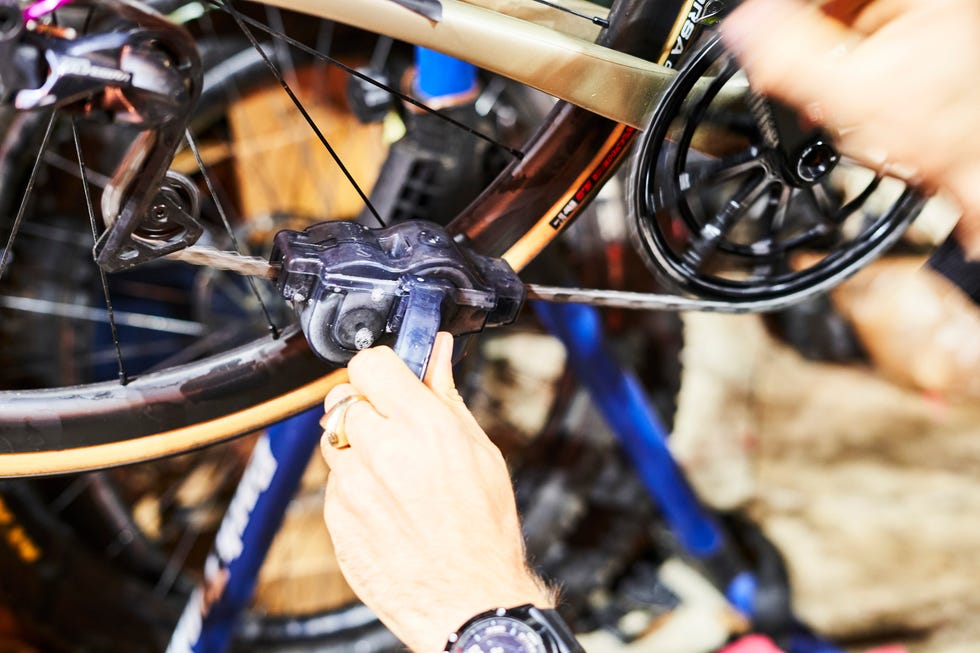
Good lube and a clean drivetrain
Even if you don’t want to go all the way down the hot-wax rabbit hole, the simpler version still holds: a clean drivetrain with a proven low-friction lube is faster than a dirty one. Dan’s story on cheap ways to make your bike faster cites Jason Smith’s Friction Facts testing showing that a dirty chain can cost more than 5 watts at 250 watts.
Related Story
Trevor Raab
For climbers, weight still matters
Weight is the smaller bucket here, and it should be. For most riders, most of the time, air resistance, rolling resistance, and drivetrain friction matter more. But if your riding is built around long climbs and steep grades, weight still deserves a place in the conversation.
The important thing is to understand that reducing weight is not usually the easiest path to a faster bike, even if it’s the easiest gain to feel. Swiss Side’s shorthand is blunt: aero wins 99 percent of the time, and for normal cyclists the average gradient of a ride needs to exceed about 4.5 percent before weight becomes more important than aerodynamics overall.
But light bikes feel great and are often the most comfortable and enjoyable to ride, even if they aren’t the fastest. That’s a key theme in my story, “How Pro Teams Choose Between an Aero Bike and a Climbing Bike.”
But if your focus is speed, weight only really wins in specific circumstances, especially slower, steeper climbing viewed in isolation.
TPU tubes
TPU tubes lower rolling resistance and cut weight, which makes it one of the rare upgrades that earns a place in both camps. Again, we like the RideNow tubes you can find on Amazon. Just be sure you get the ones with metal valve stems.
Light aero wheels
Modern wheels can be both slippery and reasonably light, which is why this category should not be treated as separate from aero. If a wheelset saves drag everywhere and doesn’t punish you on steep climbs, that’s a much better answer than chasing weight in isolation.
Related StoryLight shoes / lace-up shoes
This is a smaller gain, but it fits the same logic. If a product trims weight while also serving another real function — cleaner aerodynamics, better fit, less bulk — it makes more sense than pure gram hunting.
Member Exclusive: Check Out Our Top Cycling Stories


A gear editor for his entire career, Matt’s journey to becoming a leading cycling tech journalist started in 1995, and he’s been at it ever since; likely riding more cycling equipment than anyone on the planet along the way. Previous to his time with Bicycling, Matt worked in bike shops as a service manager, mechanic, and sales person. Based in Durango, Colorado, he enjoys riding and testing any and all kinds of bikes, so you’re just as likely to see him on a road bike dressed in Lycra at a Tuesday night worlds ride as you are to find him dressed in a full face helmet and pads riding a bike park on an enduro bike. He doesn’t race often, but he’s game for anything; having entered road races, criteriums, trials competitions, dual slalom, downhill races, enduros, stage races, short track, time trials, and gran fondos. Next up on his to-do list: a multi day bikepacking trip, and an e-bike race.