
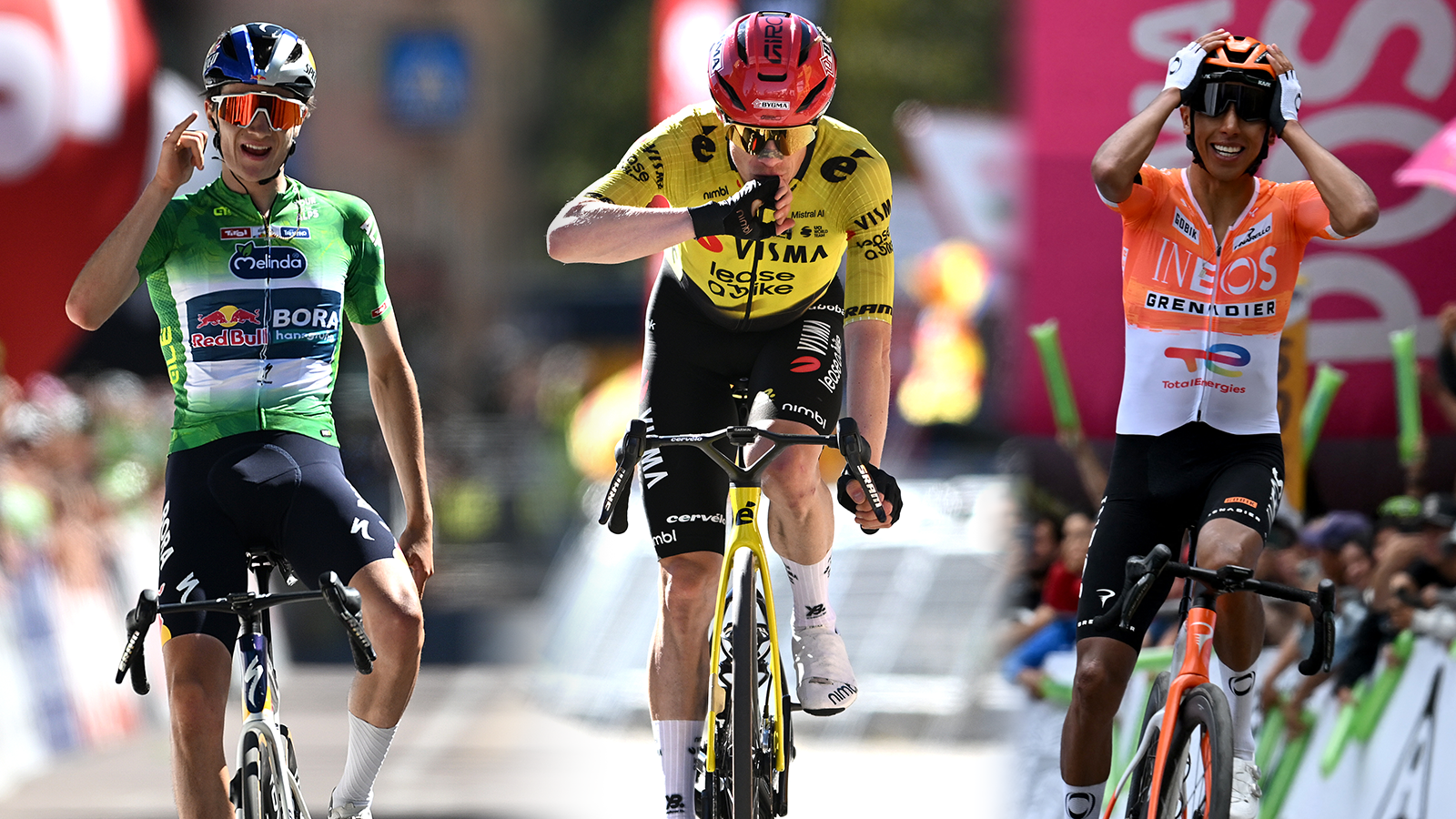
The first men’s Grand Tour of the 2026 season is quickly approaching at the Giro d’Italia, with the Grande Partenza in Bulgaria set to kick start three weeks of thrilling racing all the way to Rome between some of the best riders in the world.
Last year’s race was won in stunning fashion by Simon Yates, who came full circle with an emotional triumph in Sestriere, via the Colle delle Finestre, burying his demons from seven years prior. But after his shock retirement in January, the Brit won’t be back to defend his title. And neither of the other podium finishers will be either, with Isaac del Toro set to ride his first Tour de France, and Richard Carapaz still recovering from surgery to remove a perineal cyst.
Article continues below
You may like
As his long-time rival Tadej Pogačar did in 2024, Vingegaard will be attempting the Giro-Tour de France double, but it will only be in France where he’ll face the Slovenian, whose UAE team will be led by Adam Yates and Jay Vine in Bulgaria and Italy, after João Almeida was also forced to cancel his Giro participation because of a viral infection.
Specific to this, the 109th edition of the Italian Grand Tour, is the presence of only one individual time trial, on stage 10 from Viareggio to Massa, which should be better for the purer climbers – though it is still ultra-testing in length at 42km, so could be vital in the GC battle.
What to read next
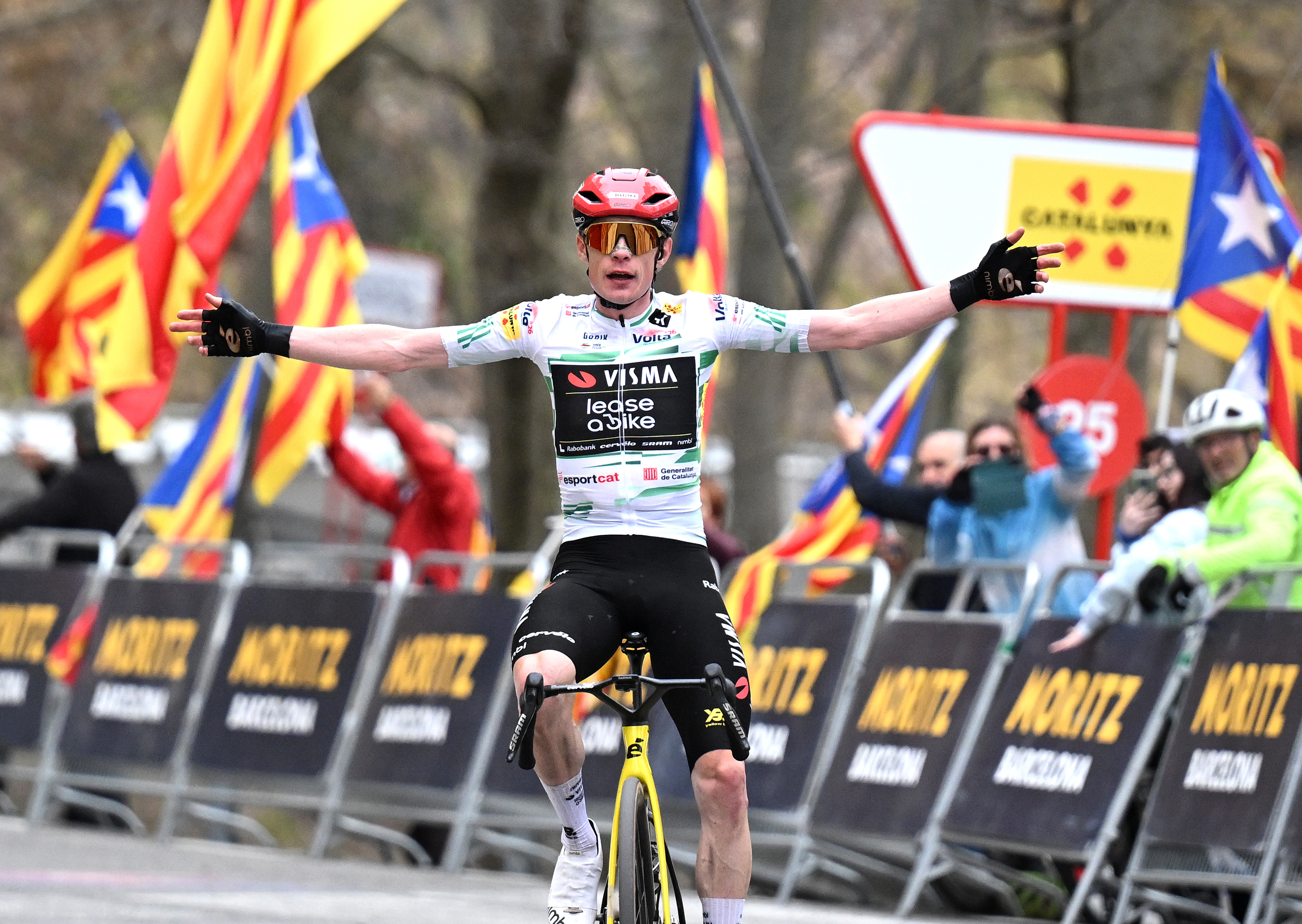
Jonas Vingegaard (Visma-Lease a Bike)
(Image credit: Getty Images)
Jonas Vingegaard and the Giro d’Italia is a combination as yet untested, with the Dane’s previous eight Grand Tour appearances all coming at the Tour or Vuelta so far, but he will be taking the start of his debut as the heavy favourite to take victory.
A two-time Tour winner, reigning Vuelta champion, and having finished first or second in every GT appearance apart from his debut in 2020, Vingegaard is a proven expert over three weeks, where his consistency and climbing repeatability have set him apart from everyone except Tadej Pogačar this decade.
With the Slovenian not taking the start, the Dane is quite comfortably in a league of his own, and anything except for domination of the hardest climbing days, to Blockhaus on stage 7, Alleghe on stage 19, and Piancavallo on stage 20, would be a huge surprise.
His form has been excellent in 2026 so far, even with a lack of race days and focus on detailed preparation for the Giro, winning both Paris-Nice and the Volta a Catalunya – two prestigious one-week stage races – on his path to the Grande Partenza.
With no massive crash as he suffered in 2024, or a pre-Tour concussion in 2025, Vingegaard appears to be firing on all cylinders once again, which is a dangerous prospect for any of his challengers for the maglia rosa.
Visma will put an experienced team up to support, with Sepp Kuss and Victor Campenaerts set to play key roles in delivering him to victory. It’s fair to say that the 2026 Giro is Vingegaard’s to lose, even before the first stage is raced, and he looks likely to become the eighth man to win all three Grand Tours by the time they reach Rome.
Perhaps his biggest obstacle could be the weather, with Vingegaard’s diminutive frame not the most capable in freeing conditions, but he fared well in Paris-Nice thanks to some interesting fashion choices. The risk of crashing is also heightened as always at the Giro, but Vingegaard can afford some more risk-averse racing choices thanks to his likely massive climbing superiority.
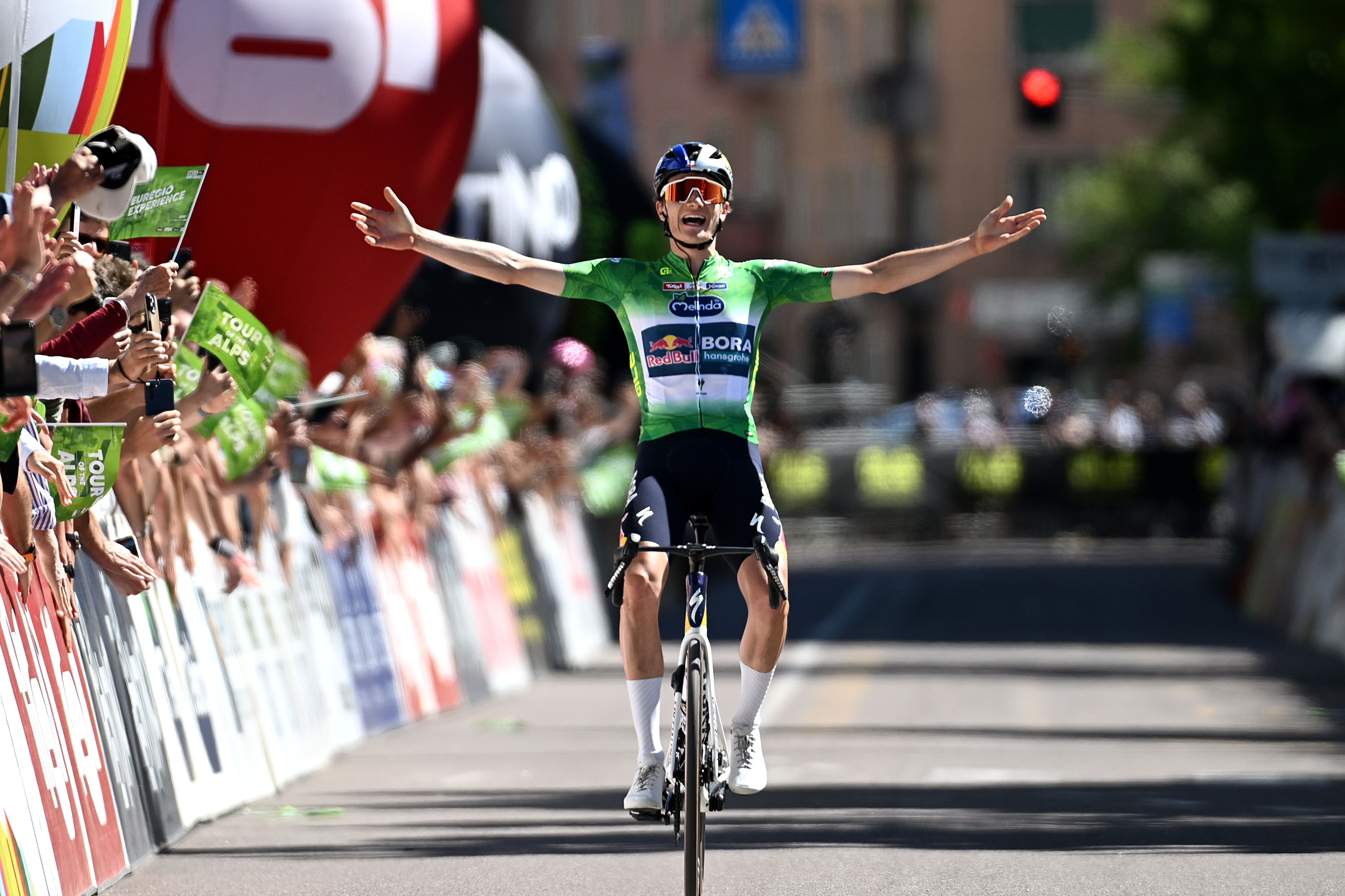
Giulio Pellizzari and Jai Hindley (Red Bull-Bora-Hansgrohe)
(Image credit: Getty Images)
Look back just two years ago, and Giulio Pellizzari was 20 years old and making his debut at the Giro d’Italia, his home race, for Bardiani CSF Faizanè. His highlight of the race was surely being caught and passed to finish second behind Pogačar to Santa Cristina Valgardena, with the pink jersey gifting the young Italian his glasses and sharing an embrace.
But in 2026, Pellizzari is a real contender for the podium, some ways away from finishing 49th in 2024, and with Red Bull-Bora-Hansgrohe, has only come on leaps and bounds since he was rubbing shoulders with his icon.
He’s finished sixth overall at the two Grand Tours he’s started since then, once in Italy and once in Spain, but he’ll be aiming higher on this occasion, and why shouldn’t he after the season he’s had?
Pellizzari will arrive at the start in Bulgaria fresh off the back of winning the Tour of the Alps overall, and two stages, a key form indicator for the Giro, and with the confidence that he could well finish in the top three overall in Rome.
And what better rider to help him try to achieve that goal, the first Italian podium finish for five years, 10 years on from the last home win at the Giro, from Vincenzo Nibali, than former winner Jai Hindley?
Pressure will be on Red Bull to deliver, and in the face of Vingegaard, that will be tough, but the pair formed a great partnership at the Vuelta, and as two of the weaker ITT riders, they will look to be aggressive on the pure climbing days. Getting two riders in the top five and one on the podium is a real possibility.
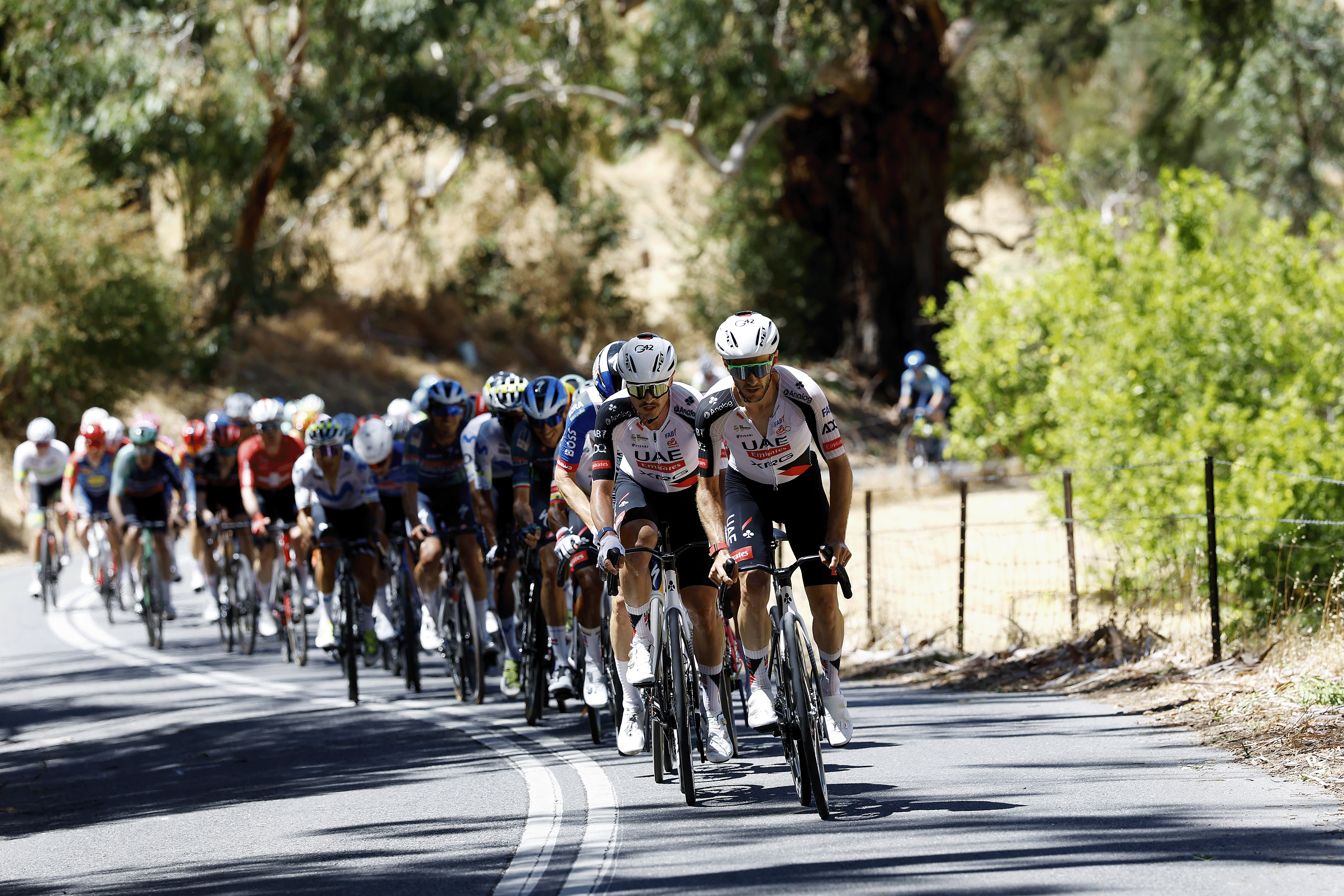
Adam Yates and Jay Vine (UAE Team Emirates-XRG)
(Image credit: Getty Images)
Given their incredible wealth of talent, UAE Team Emirates-XRG would normally start any Grand Tour among the main favourites, but that isn’t strictly true of their 2026 bid at the Giro, with planned leader João Almeida being forced to confirm he was off the start list last week.
With no Almeida, who had challenged Vingegaard well at last year’s Vuelta, and no return for 2025 runner-up Del Toro or 2024 winner Pogačar, UAE are left to head to Bulgaria with either Adam Yates or Jay Vine looking like the chosen focus.
Neither have really taken up that role in recent Grand Tours, with Yates finding some of his career-best results riding as a super domestique for Pogačar and Vine typically hunting stages while supporting the likes of Almeida.
But they are easily among the top climbers in the sport, Yates, an expert of the hardest gradients and former podium finisher at the Tour, and Vine, a winner of four Vuelta mountain stages in his career.
Yates is in great form, fresh off the back of winning O Gran Camiño in April, where he was in a league of his own on the hardest climbing days, and while he hasn’t been a GT leader at UAE, he has been a master at one-week stage races. It’s unlikely that he will follow what his twin brother, Simon, did 12 months ago, but Yates is more than capable of challenging Vingegaard on his best day – don’t be surprised to see the 33-year-old on the podium.
Vine is a more complex case, as an obviously very talented climber – both his results and estimated power data show that – but he’s never finished higher than 30th on GC at a Grand Tour. Crashes and DNFs have put him out of the running on several occasions, so staying safe on the treacherous roads of the Giro will be vital to him getting a result.
He’s also only raced once since fracturing his wrist at the Tour Down Under, and that ended in another DNF in Catalunya, but Vine did win the former, taking a second WorldTour stage race victory, so he was clearly starting 2026 in top form. UAE will just have to hope the Australian has recovered in time, but it’s certainly a route that could play into his powers on paper, especially with a big advantage over many of the smaller climbers in the time trial. Perhaps this Giro will bring the breakthrough Grand Tour GC performance that Vine has long looked capable of doing.
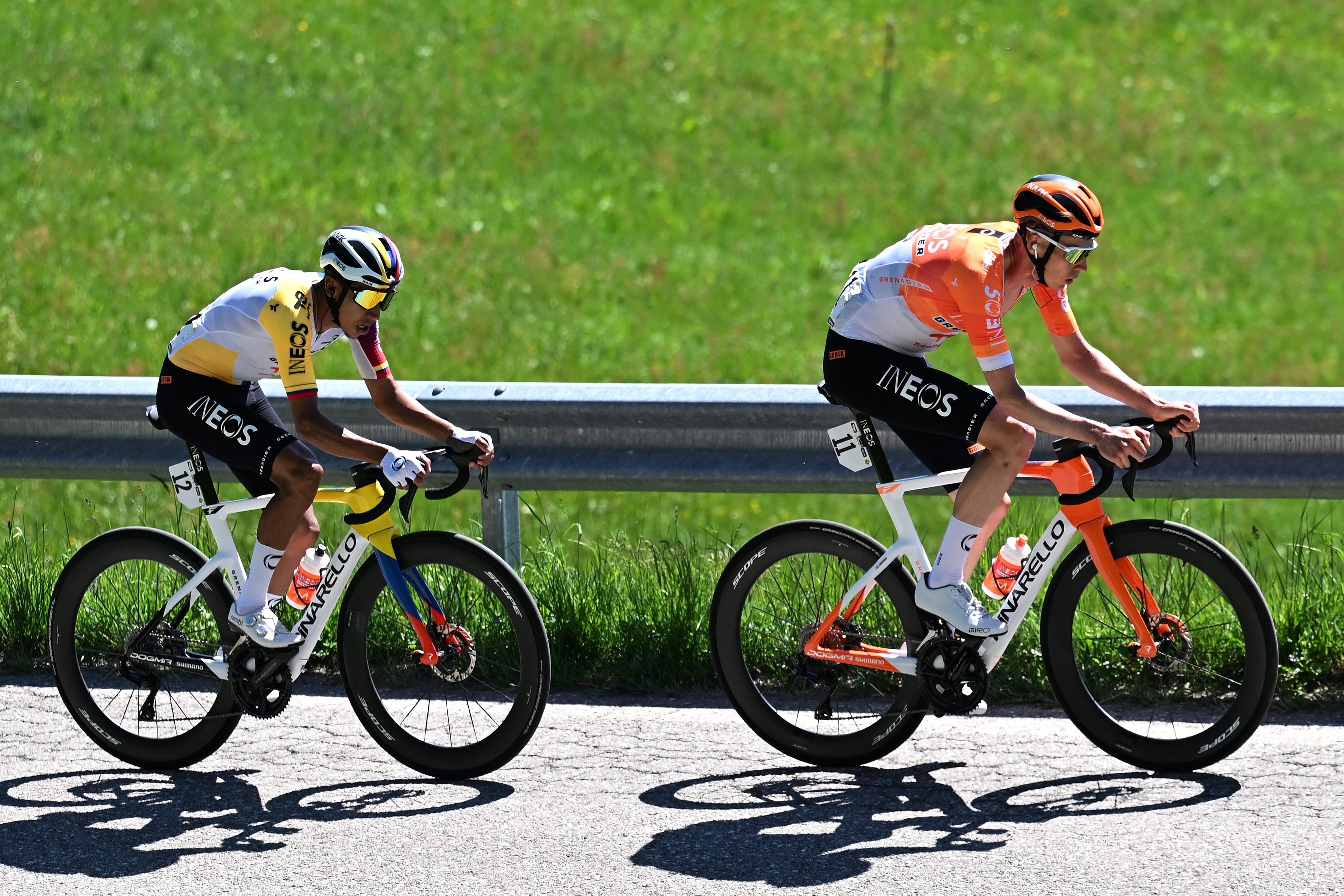
Egan Bernal and Thymen Arensman (Netcompany Ineos)
(Image credit: Getty Images)
Netcompany Ineos will be starting the Giro d’Italia with a new name and new look on May 8, but their GC challengers will be familiar: Egan Bernal and Thymen Arensman.
Bernal, a former winner from 2021, will be starting off the back of an already successful 2026 season, in which – even in spite of a knee issue midway through spring – he’s retained his Colombian national road title, finished second at the Tour of the Alps, and finished fifth at Liège-Bastogne-Liège.
He was also seventh at the Giro 12 months ago, and on his third appearance, appears to be heading in with his best form for a Grand Tour in some time. Bernal has the experience of being a two-time GT winner that many of his rivals can’t call upon.
But he also has Thymen Arensman as Ineos’ second option and a more than capable GC rider in his own right.
Arensman is taking on his fifth Giro in 2026, with a previous best result of sixth overall, which he managed twice, in 2023 and 2024, but alongside the Colombian, it’s the podium they should be chasing.
He, too, is in strong form in the Alps, finishing third there behind Pellizzari and Bernal, but it’s consistency that the Dutchman will be in search of over the three weeks.
On his day, he’s among the best climbers in the world – just look at his two stage wins from last season’s Tour de France – and he’s more than capable of making big gains in the time trial over anyone except perhaps Vingegaard. Netcompany Ineos will start a new chapter for the British team at the Giro, and they should be well in the race with their two-pronged attack.
Felix Gall (Decathlon CMA CGM)

(Image credit: Getty Images)
Felix Gall represents one of the top pure climbers starting this year’s Giro d’Italia, with a great record on the hardest mountain stages – which stage 19 and 20 will be among on the 2026 cycling calendar – and he’s another rider best suited to the length of a Grand Tour.
The Austrian has his limitations when it comes to time trialling, descending, and positioning at times, too, but when the road goes uphill, he’s one of the very best in the world, and his fifth-place GC finish from last year’s Tour de France shows that.
This will only be his second time at the Giro, having made his Grand Tour debut at the 2022 edition, but he’s a much stronger rider now, and it’s the days to Blockhaus and Piancavallo that he will surely be eyeing up as chances to strike and try to follow Vingegaard.
Gall hasn’t set the world alight with his form as of yet in 2026, finishing fifth at the UAE Tour and sixth at the Volta a Catalunya, but again, his repeatability after three weeks, and constant days of brutal climbing, has been where he’s come good in the past.
With all the attention Decathlon CMA CGM have garnered through Paul Seixas, who looks likely to be their leader at the Tour de France, perhaps Gall can fly under the radar with less pressure on his shoulders and deliver a top GC performance at the Giro.
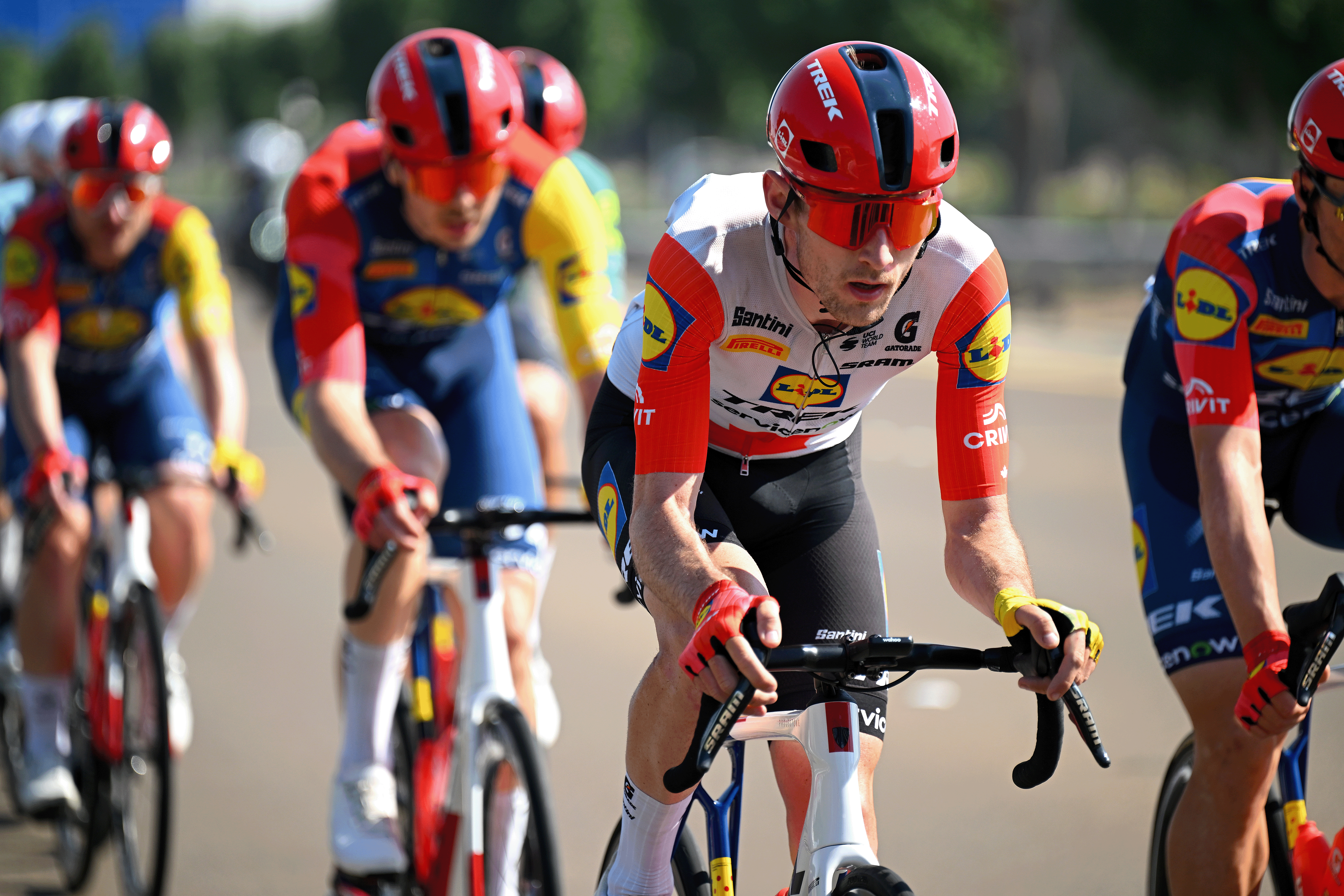
Derek Gee-West (Lidl-Trek)
(Image credit: Getty Images)
If Derek Gee-West had had a normal approach to this Giro d’Italia after finishing fourth in 2025, then he almost certainly would have been higher up this list, but after his messy split from Israel-Premier Tech in the off-season, it’s been far from a regular build-up.
He’s got back on track since being announced as a new signing for the German team back in January, but his winter and off-season were heavily disrupted by his departure from the former Israeli team, with Gee-West going months without a coach and without the usual drive due to his uncertain future.
Gee-West only returned to racing fully at the UAE Tour in February, having essentially ended his 2025 season at the conclusion of the Giro in May – aside from competing at the Canadian National Championships – and that saw him finish an encouraging seventh overall.
He’s not lit up the racing since then, abandoning partway through the Volta a Catalunya, before finishing an unimpressive 12th at the Tour of the Alps, but Gee-West thrives in the three-week environment, where his durability can set him apart from the opposition.
It’s likely he’ll build into the GC race, but with Blockhaus bringing the first climbing test on stage 7 and the time trial following soon after that on stage 10, Gee-West has time to really find his legs and perform on the stages that suit him best.
Again, under normal circumstances, the Canadian would be a big hope for the podium, but there’s a performance that he knows he has in the legs still to be found before that looks like a genuine possibility. Gee-West made his breakthrough as a road racer at the 2023 race and will be looking to vindicate Lidl-Trek’s decision to sign him at the 2026 edition.
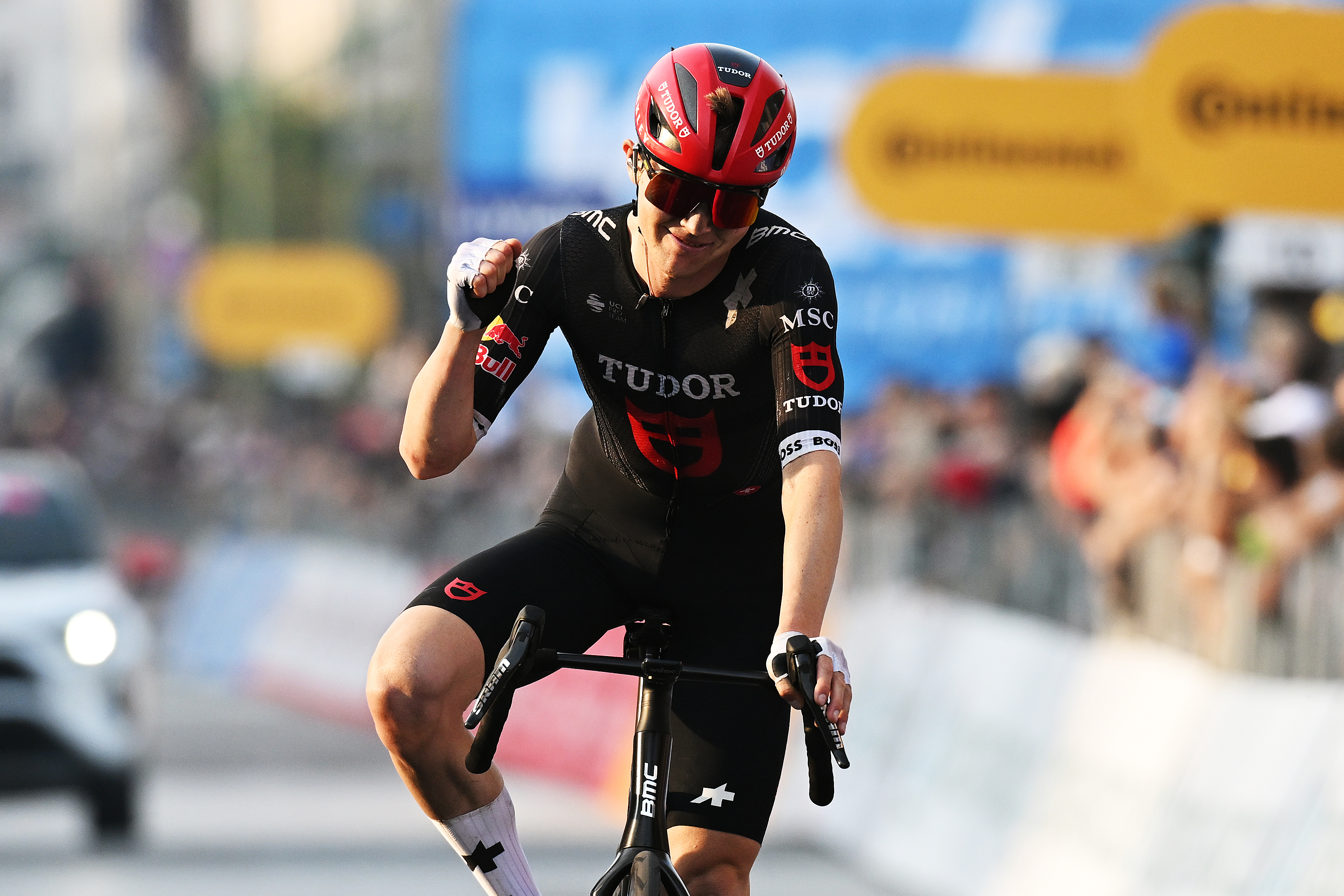
Michael Storer (Tudor)
(Image credit: Getty Images)
Michael Storer will be taking on his 11th Grand Tour as Tudor Pro Cycling’s spearhead at the upcoming Giro d’Italia, and he, too, will be chasing a potential podium as a realistic goal, given the strength of the field.
The Australian has finished 10th overall at the past two editions, but has struggled to show the consistency required to go any higher. He is arriving at the start in solid form, though, having finished fourth at a stacked Tour of the Alps, but with his GT experience, he’ll know more is required to break into even the top five.
Stage 10 will put Storer on the back foot, as his time trialling is nowhere near the level of some of those mentioned above, but with this out of the way and the hardest stages to come in the third week, he will have clear sight of what is required to bring it back over his favoured terrain.
Last year he did win the Tour of the Alps in the run-in, so perhaps he’s not in quite as strong form, but that could just mean he is timing his peak to perfection.
Ben O’Connor (Jayco AlUla)

(Image credit: Getty Images)
Jayco AlUla’s Ben O’Connor is a curious contender at this year’s Giro, as a rider with great history at the Italian Grand Tour, but without the form in 2026 to expect his absolute best in the GC race.
It’s been six years since he took his first GT stage win on the road to Madonna di Campiglio at the 2020 Giro, and two years on from when he finished fourth overall behind the likes of Pogačar and Geraint Thomas.
O’Connor is 30 now, but has failed to impress in his 29 race days leading up to the Giro this year, with results of eighth at the Tour of the Alps, 13th at Catalunya and 10th Down Under.
It’s not quite what you’d expect from a rider who has finished second at the Vuelta and fourth at both the Tour and Giro in his career, but O’Connor will arrive without as much expectation to chase the podium as he has in previous years.
He’s another who should benefit from there being only one time trial, and we’ve seen how he can use breakaways in the opening two weeks to launch himself up the standings before holding on until the finish. In the absence of his best legs, that might be the best course of action for challenging the top five in May.
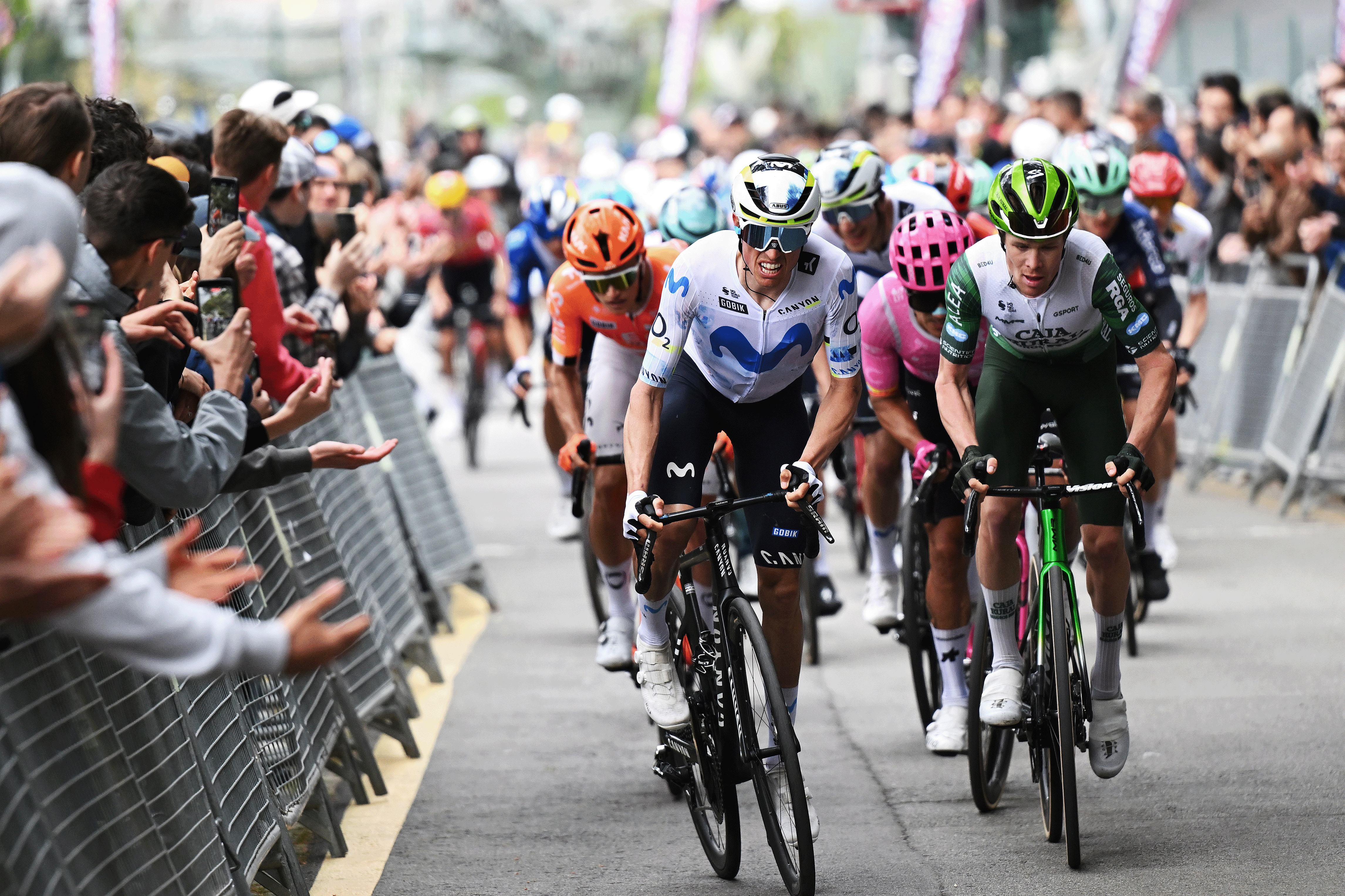
Enric Mas (Movistar)
(Image credit: Getty Images)
Enric Mas has a better Grand Tour palmarès than almost everyone listed above him here as a contender for the Giro, aside from Vingegaard, but he sits here as he approaches a debut at the Italian race and after recovering from a serious case of thrombophlebitis – varicose veins.
Of course, the time trial to Massa won’t help his chances, but Mas has proved on several occasions that he can build into the three weeks of a GT, and he’ll surely be eyeing up the high mountains on stages 19 and 20 as the place to bring his best.
It’s his 15th Grand Tour, with eight of those appearances ending in top 10s and four of them – all at the Vuelta – ending in Mas finishing on the podium, so he has a wealth of experience to rely on when he may be struggling for form.
Racing in 2026 hasn’t been extensive for the 31-year-old Spaniard, taking on just 10 race days in the approach to the Giro, his last of which was at the Volta a Catalunya, where he finished outside the top 20 overall and outside the top 10 on every stage. In reality, Mas is a massive unknown quantity heading into the Grande Partenza, but a top 10 finish would surely feel like a big success given his recent long stint out of the racing.
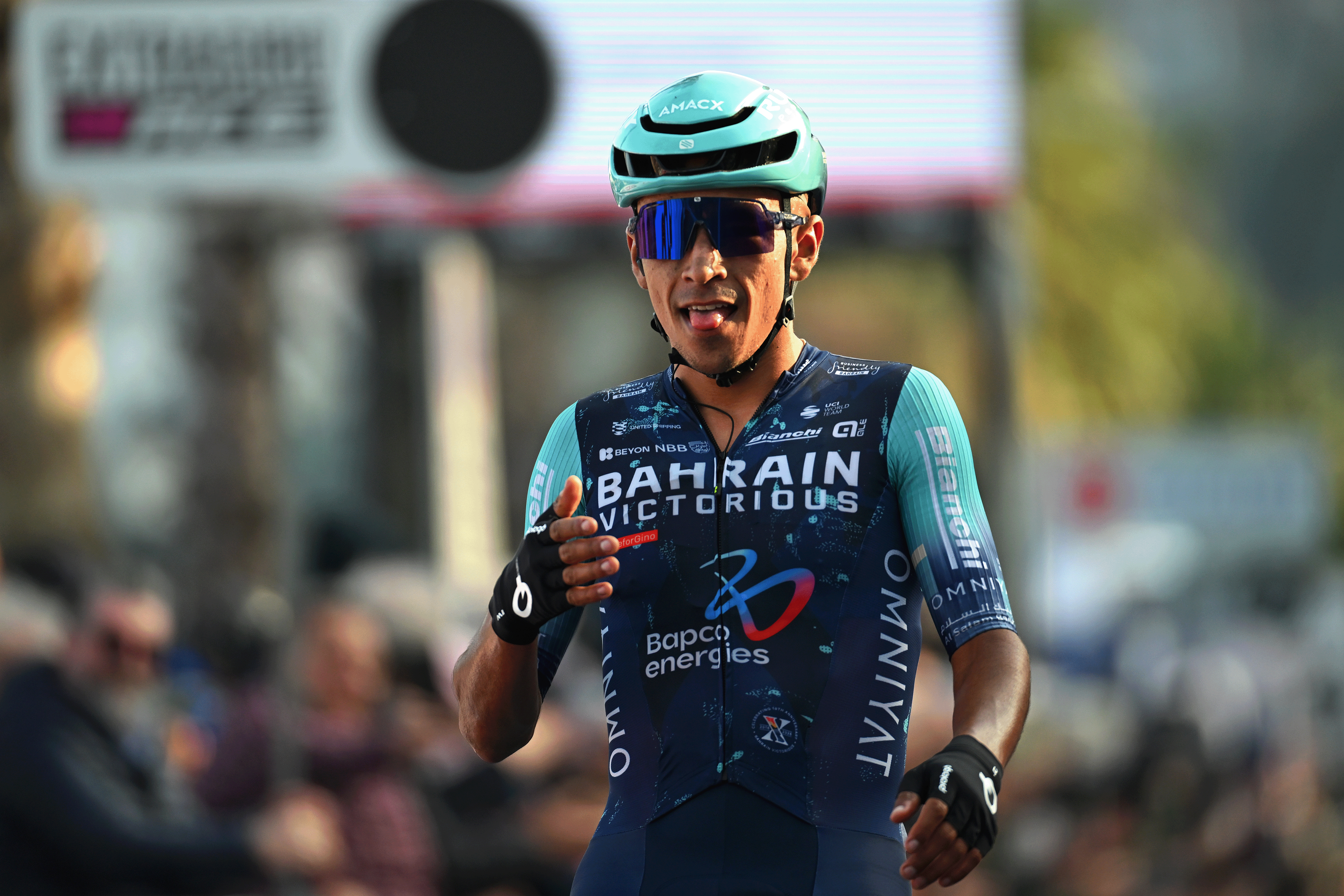
Santiago Buitrago (Bahrain Victorious)
(Image credit: Getty Images)
Santiago Buitrago hasn’t raced at the Giro d’Italia since the 2023 edition, when he took his maiden Grand Tour stage win and finished 13th overall, and he’ll be looking to go much better than that as he leads Bahrain Victorious’ hopes.
A talented Colombian climber, Buitrago hasn’t quite lived up to the same standards set by Nairo Quintana, Rigoberto Uran, and Egan Bernal as a GC racer, but he’s still only 26.
Buitrago is a savvy bike racer, more than capable of winning stages, and with how close the race looks for the podium and the top five, gaining bonus seconds could be his advantage over the rivals that sit above him on this list.
He’s yet to finish higher than 10th in his nine Grand Tour appearances so far, but he will have the experience of Damiano Caruso to utilise in his pursuit of a career-best result. The 38-year-old Italian finished fifth as recently as last year’s Giro, also finishing fourth in 2023 and second behind Bernal in 2021, so he could well emerge as Bahrain’s leader again. Either way, they have options with both youth and experience to try and challenge for the podium spots once again.
Honourable mentions
Alessandro Pinarello (NSN) is perhaps the most exciting of the honourable mentions, arriving at his second Grand Tour off the back of a third-place finish in O Gran Camiño, where he also took a maiden pro victory.
Johannes Kulset will be Uno-X Mobility’s GC leader for the upcoming Giro, the Norwegian team’s first appearance at the pink race, and the 22-year-old will be looking for his breakthrough as a talented young climber.
While much of the noise surrounding Tudor is rightly on Michael Storer, he has a 22-year-old French teammate who has impressed already in 2026, and could be set to overshadow his Australian team leader at the Giro: Mathys Rondel.
Maybe the most unpredictable rider in the peloton, Jan Christen, has a real chance of a Grand Tour breakthrough for UAE during this race, with a lack of a clear leader surely allowing him the freedom to attack as he often does, on debut at a three-week race – expect nothing less from fireworks from the Swiss.
Who will challenge Jonas Vingegaard at this year’s Giro d’Italia? Subscribe to Cyclingnews for unlimited access to our coverage of the Corsa Rosa. Enjoy unrivalled reporting from our team of journalists on the ground, including breaking news, analysis, and more, from every stage as it happens, plus access to the Cyclingnews app to follow the action on the go! Find out more.