
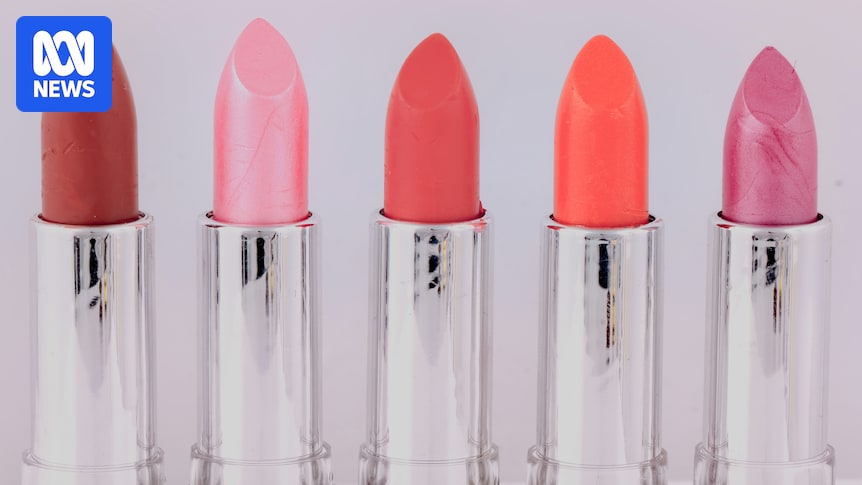
Australians will likely be forced to pay more for cosmetic products, such as lipsticks and moisturisers, due to crude oil supply disruptions caused by the Middle East war.
Even if the situation stabilises soon, higher prices for petroleum-derived raw materials have already flowed through and will take months to normalise, an industry expert warns.
In Australia, the beauty and personal care market is expected to earn more than $12 billion in revenue in 2026, according to market data company Statista.
Iran war live updates: For the latest news on the Middle East crisis, read our blog.
On average, Australians spend about $454 per year on products, but it could soon get a lot higher.
Let’s break it down.
The battle over the Strait of Hormuz
First, how are oil and cosmetics connected?
Apart from its crucial role in energy and logistics, oil — also referred to as petroleum or crude oil — is a key component in many commonly used cosmetic products including lipsticks, skincare and even conditioner.
However, you are not just spreading crude oil on your lips.
It takes a complex multi-step process to turn crude oil into cosmetic products, says Sebastien Jagut, the procurement and business development manager at New Directions Australia, a manufacturer and wholesaler of cosmetic products.
Australian dependence on imported packaging exposed by Iran war
In simple terms, crude oil, after extraction, is refined into petrochemical derivatives that require further chemical processing to become cosmetic ingredients.
These raw materials include:
GlycerinePetroleum jelly (petrolatum)Mineral oil (paraffin oil)SiliconesGlycolsPolyvinyl alcohol (PVA)
These components are typically used to create beauty products because they are cheap, stable and create a glossy texture.
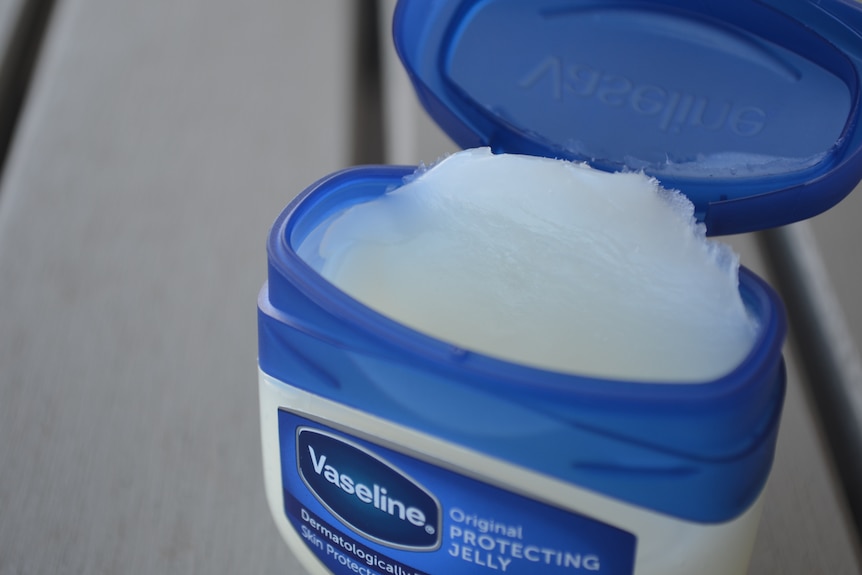
Vaseline ointment is made of 100 per cent purified petroleum jelly. (ABC News: Yiying Li)
For example, Vaseline — a topical ointment used to trap your skin’s existing moisture — is 100 per cent purified petroleum jelly.
Are you paying more for your cosmetic items? We would like to hear from you! Contact our journalist confidentially on li.yiying@abc.net.au or li.yiying@proton.me.
Cosmetics manufacturers feeling the pinch
Fuel shortages and rising energy costs are already impacting the price and availability of those raw materials, says Mr Jagut.
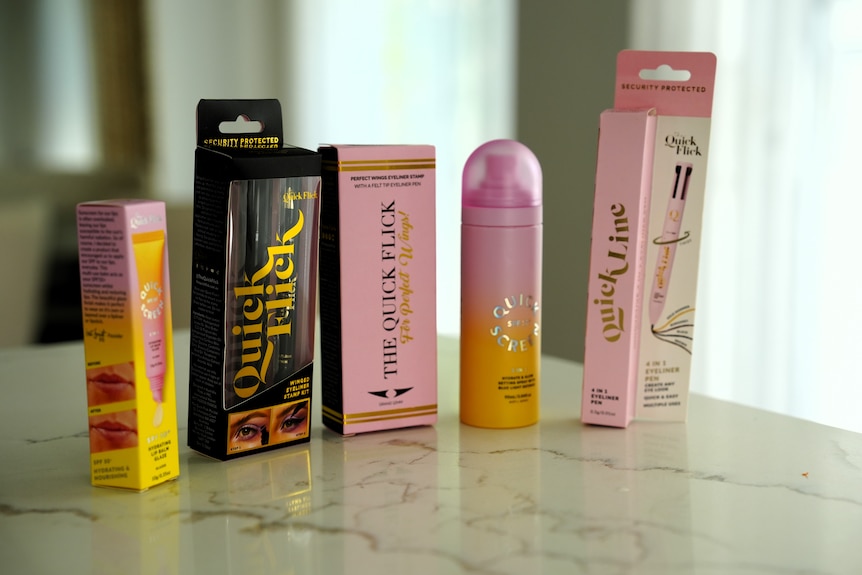
The price of raw materials in many commonly used beauty products has already increased. (ABC News: Nicholas Martyr)
“In addition, we are seeing freight surcharges introduced by distributors in Australia, reflecting the increased cost of transporting goods into the country,” he said.
“Given Australia’s reliance on imported raw materials, this adds significant pressure across the supply chain.
“Beyond pricing, the real concern is supply continuity — delays, reduced availability, and longer lead times are becoming increasingly likely.”
Price of groceries to increase within weeks due to war in Iran
Could it lead to more ‘clean’ beauty products?
Amina Kitching, the founder of LOAEL global beauty group, which is a beauty educator, researcher and advocate for organic beauty standards, says the petroleum shortage is creating a “perfect storm” for Australia’s cosmetics industry.
“[It is] leading to significantly higher production costs, supply chain bottlenecks, and a potential, immediate, or near-future shortage of finished goods,” Ms Kitching said.
“The cost of raw materials and plastic packaging [polyethylene] has hit record highs, making the production of lipstick, creams and plastic containers significantly more expensive.”What lipstick sales tell us about the economy
She added that cosmetics companies were passing increased costs to consumers, with price hikes for both raw ingredients and finished packaged goods expected soon.
Ms Kitching said she hoped the price hikes would push the industry toward “greater adoption of sustainable alternatives”.
“[It is] a welcome shift away from the ‘throwaway’ culture towards more sustainable and reusable packaging options,” she said.
“People need to learn to live without petrochemicals.”What’s next for cosmetics prices?
Mr Jagut from New Directions Australia said that historically, during periods of inflation, the personal care sector was among the first to feel the impact.
Sebastien Jagut says cosmetic businesses are already facing higher prices. (Supplied: New Directions Australia)
“Consumers tend to prioritise essential spending — food, fuel, health care — which can reduce demand for discretionary products like cosmetics,” he said.
“This creates a double pressure: rising production costs and potentially softening demand.”
Mr Jagut said there were clear early signs of caution for businesses.
“New product launches are being delayed, new market entrants are hesitating, [and] brands are becoming more conservative in their planning due to cost uncertainty.”
Apart from higher costs, he warned consumers in Australia would likely face shortages of certain items and reduced product variety.
Loading…