
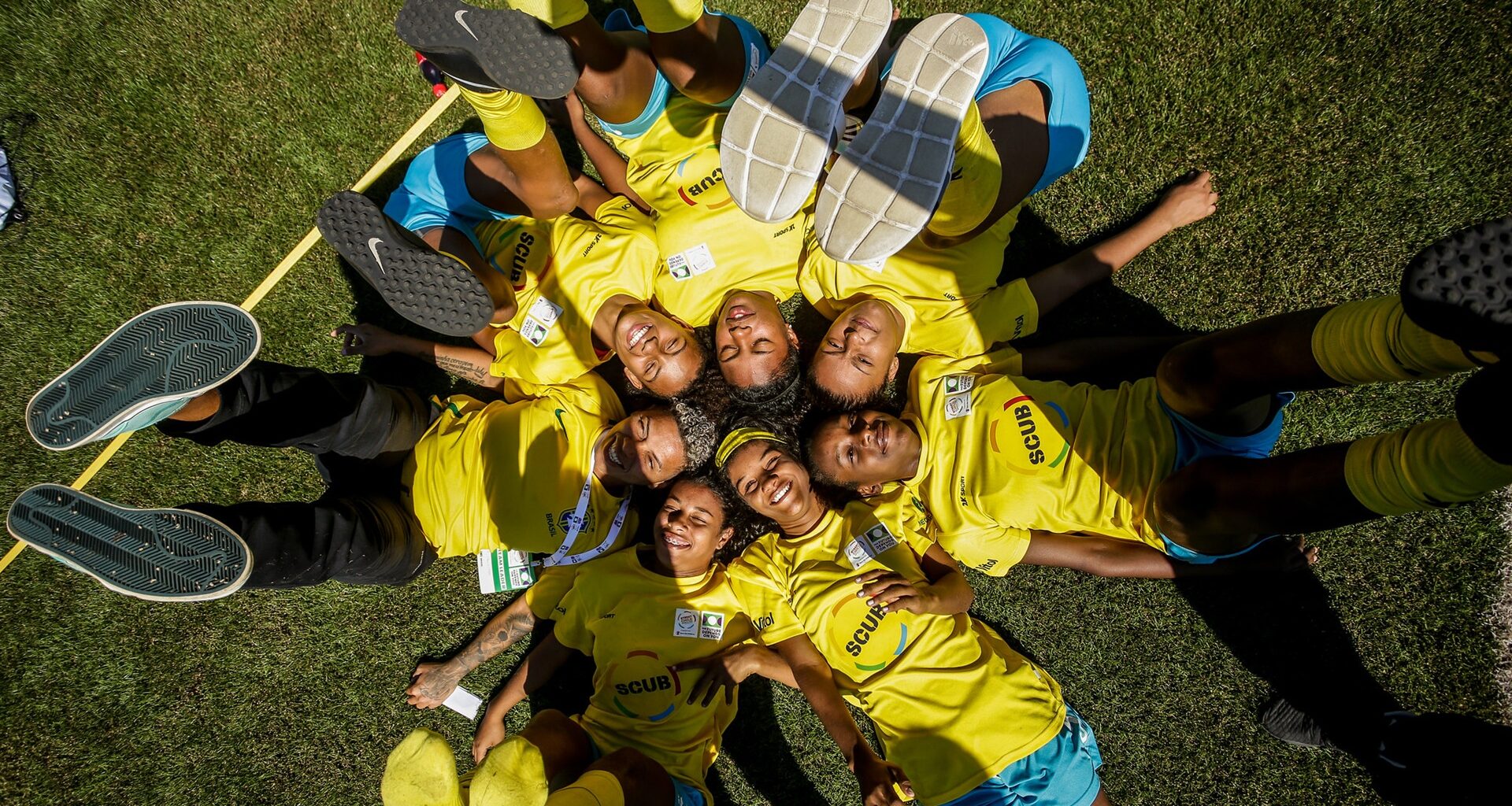
What he encountered instead changed everything.
The project the family visited was run entirely by former street-connected young people. It was on a makeshift football pitch that one boy, 14, who had lived on the streets since the age of four, told him: “When people see me on the streets, they say I’m a street child. But when they see me playing football, they say I am a person… a person like you.”
Those comments showed the transformative power of sport not just to engage, but to reframe how society sees and treats street-connected children.
Then an idea began to take shape that would later grow into the Street Child World Cup. “If we can change the way people see street children, we can begin to change the way they are treated,” he says.
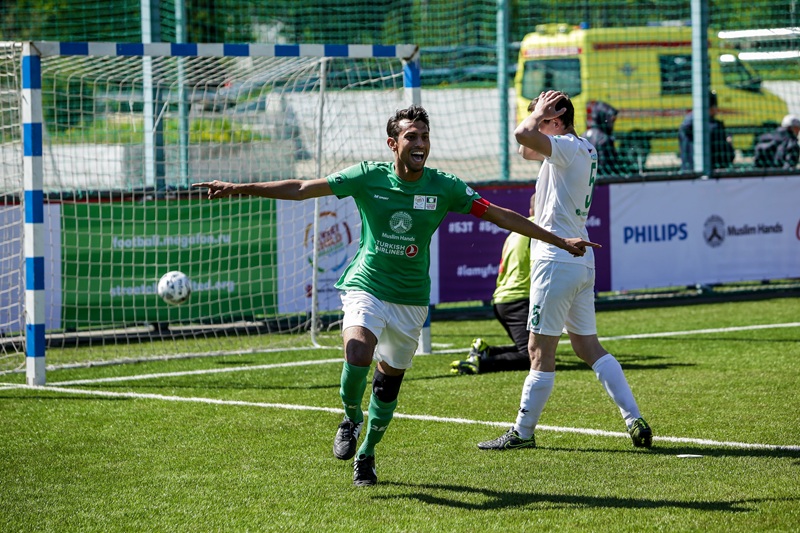 It’s a battle for some players at the Street Child World Cup to even make the tournament. Image: Street Child United
What started as a suggestion from a school pupil – “Why can’t street children have a World Cup?” – quickly became a global platform.
Launched in Durban, South Africa, in 2010, the Street Child World Cup tournament has since evolved into far more than football. Alongside matches, young people take part in arts programmes and a structured congress on children’s rights, culminating in a public declaration delivered to politicians and institutions.
Advertising helps fund Big Issue’s mission to end poverty
The impact can be seismic: after one tournament, the Tanzanian team returned home to national TV coverage, a reception in parliament and a meeting with the president. “We had no idea the impact in-country that this football tournament would be having,” Wroe says.
What began as a one-off is now a growing international movement that is driven by the voices, talents and demands of the young people it was created to serve.
Beyond the Street Child World Cup tournament, Street Child United is working towards more structural change.
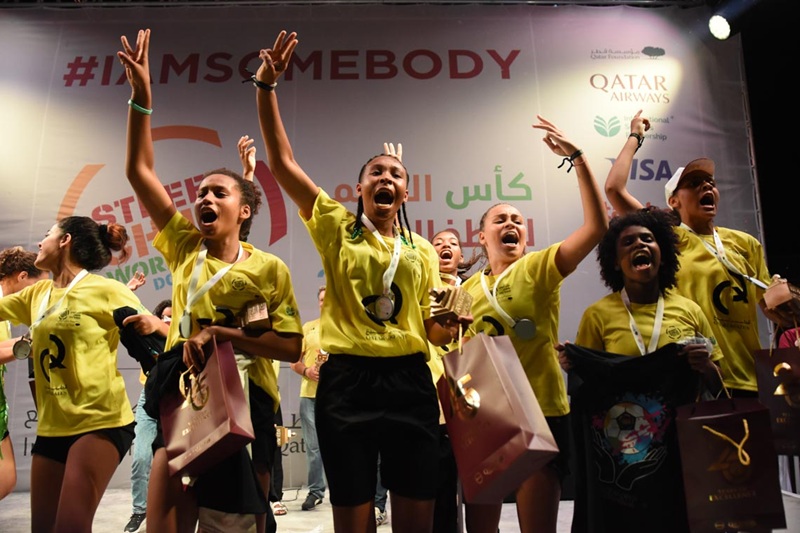 Street Child World Cup tournaments are an opportunity for players to advocate for their rights. Image: Street Child United
The organisation is ensuring that street-connected young people are recognised, protected and able to exist within the systems that govern everyday life. At the heart of that is legal identity. “If you haven’t got identity, you can’t access any of the other services,” says Wrote. “You can’t access healthcare, you can’t work… you can’t legally get married. You can’t be legally buried, because you don’t actually exist.”
Birth registration, Wroe argues, is the foundation for everything, from education to protection from violence and gender equality and aligns with the UN’s Sustainable Development Goal 16.9, which calls for legal identity for all by 2030.

Alongside its global tournaments, the organisation is increasingly focused on advocacy and long-term change, investing in a two-year young leaders programme that equips participants with education, communication and decision-making skills. Many of these young people have represented their countries on an international stage and are now at the forefront of its mission, set to take their demands directly to the United Nations.
Advertising helps fund Big Issue’s mission to end poverty
This longer-term vision is about scale and sustainability. Street Child United now works with around 50 grassroots projects worldwide, embedding a child rights curriculum across its network.
Football remains central, but it is no longer the only sporting vehicle. Street Child United now has cricket tournaments, arts programming and future events tied to global sporting moments, from the Olympics to the Women’s World Cup. The aim is to ensure that by the end of the decade, every partner organisation is equipped with both the tools and the leadership to advocate for change locally. “Those young leaders are the best ambassadors,” says Wroe.
Read more:
Even getting to the starting line is, for many of the young people involved in Street Child United, a battle in itself. The bureaucratic hurdles that come with crossing borders are very challenging for those who have grown up without formal documentation.
“To come to the Street Child World Cup, they have to have birth certificates, then passports, then visas,” says Wroe. Teams from countries including Pakistan, Palestine, the Democratic Republic of Congo and India have faced complex and deeply individual challenges, from delayed paperwork to ongoing issues around identity verification. “It’s a different journey with each of them,” he says, pointing to the fragile and uncertain pathways many must navigate simply to participate.
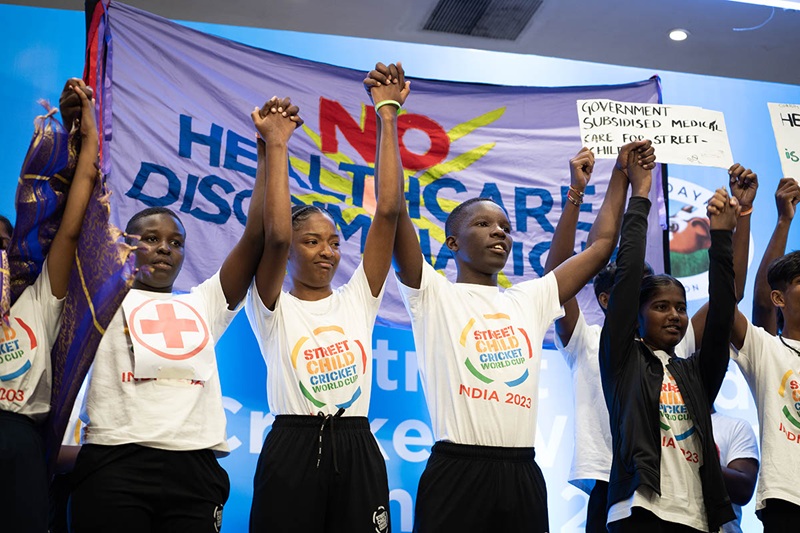 General assemblies at tournaments give players a voice to speak up about big issues. Image: Alex Kirchstein
Yet, despite these obstacles, there is a strong determination. “We will get them there,” he adds ahead of this year’s tournament in Mexico.
Advertising helps fund Big Issue’s mission to end poverty
Support from the highest levels of government in the country has been key to this year’s tournament going ahead. Backed by president Claudia Sheinbaum Pardo and senior ministers, the country is positioning itself as a host that “wants to welcome the world and make sure everybody has the chance to be part of it”. The president has already spotlighted the Street Child World Cup in national addresses and is set to engage directly with the event.
Ultimately, the work of Street Child United is not about speaking for street-connected young people, but creating the conditions for them to be heard. “It’s about learning from these young people… amplifying their voices and listening to them,” says Wroe.
Those who encounter the Street Child World Cup, he suggests, rarely leave unchanged. The young people involved carry the same hopes, ambitions and potential as any others but have been denied the opportunities to realise them.
By bringing their stories into public view and securing support from those in power then the organisation is not only opening doors for individuals it is helping to change the game for entire communities.
The Street Child World Cup takes place in Mexico from 5-15 May
Change a vendor’s life.
Advertising helps fund Big Issue’s mission to end poverty
Buy from your local Big Issue vendor every week – and always take the magazine. It’s how vendors earn with dignity and move forward.
You can also support online: Subscribe to the magazine or support our work with a monthly gift. Your support helps vendors earn, learn and thrive while strengthening our frontline services.
Thank you for standing with Big Issue vendors.