
Australia’s major banks are squirrelling away more cash in anticipation of a rise in the amount of people and businesses unable to repay their loans, in yet another sign of difficult economic times ahead.
That’s up 1 per cent on its results from the same period last financial year.
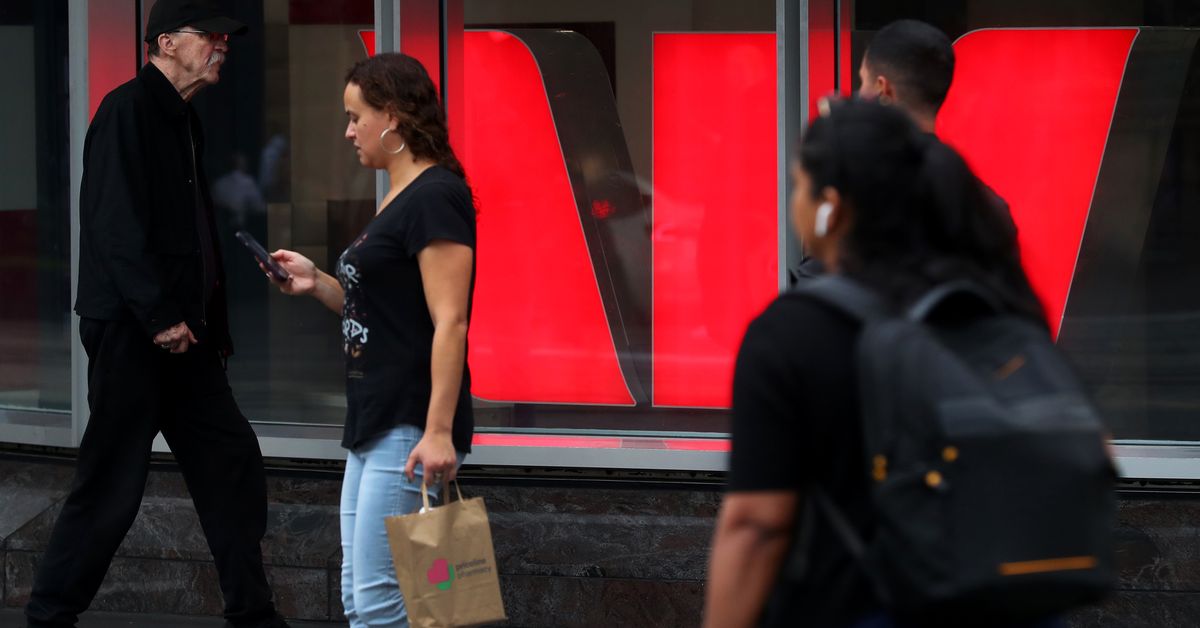
 Westpac has announced it’s increasing its bad debt buffer, against an expected rise in defaults on loan repayments. (Lisa Maree Williams/Getty Images)
At the same time, the bank said it was increasing its so-called “bad debt buffer” to $5.2 billion, adding a $282 million “overlay” against potential losses from borrowers in energy-intensive sectors.
This money is designed to cushion the bank against borrowers who default on their loan repayments.
“The war in the Middle East is presenting challenges for some customers and the economic impact of the conflict will continue through the year,” Chief Executive Officer Anthony Miller said.
“The disruption to energy supply chains has driven a rise in prices and we’re seeing this flow through to businesses and households, with some sectors more affected than others.”
The bank’s move follows that of the National Australia Bank (NAB), which announced late last month that it was sharply increasing its provisions for bad debts, setting aside an additional $300 million.
ANZ is also setting aside an addition $175 million in provisions against bad debt.
The shift is a key sign that Australia’s major banks are moving to sure up their balance sheets against tough economic times, as surging fuel prices and multiple interest rate hikes act as a double-whammy hitting everyone from families with mortgages through to small businesses.
Those at the mercy of surging fuel prices, such as truckies, are expected to be hardest hit.
All the major banks are predicting the RBA will announce an interest rate hike of 0.25 percentage points to 4.35 per cent, completing the undoing of last year’s tripe rate cut.
A survey by comparison site Finder shows one in 10 mortgage holders (297,000 mortgagors) would be unable to repay their home loan if they were hit by one or two more increases.
In more bleak news for borrowers, Westpac economists have forecast further interest rate hikes in June and August.
Business confidence is at a record low, last month falling below the level seen at the onset of the COVID-19 pandemic in 2020.
NEVER MISS A STORY: Get your breaking news and exclusive stories first by following us across all platforms.