
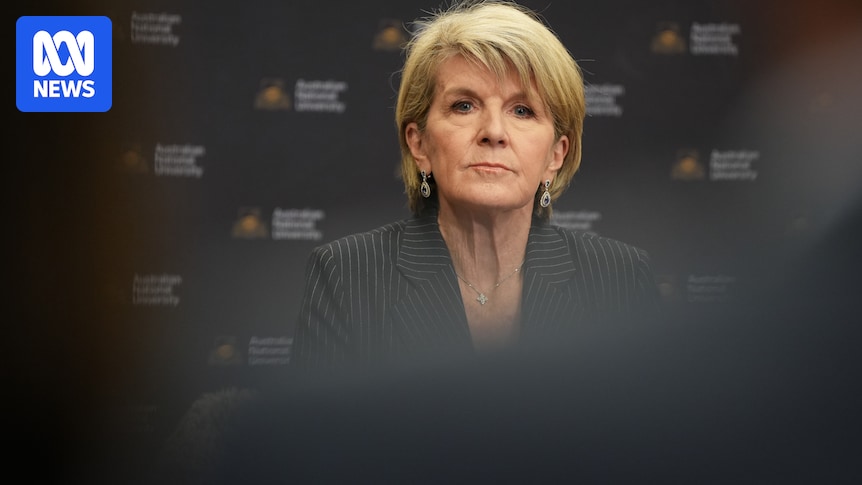
Former foreign minister Julie Bishop has resigned as chancellor of the Australian National University (ANU), effective immediately.
Her tenure came at a time of controversy and upheaval for the university, after the scrapping of a $250 million cost-cutting plan, which included job cuts.
Ms Bishop had been resisting months of pressure from staff, students and some politicians to resign, after the resignation of the ANU’s vice-chancellor Genevieve Bell eight months ago.
“I have the backing of council and I intend to see it through,” Ms Bishop said last September.
Her term as chancellor had been due to end at the end of the year.
Calls for Ms Bishop’s resignation were renewed this week, when a group of politicians, staff, students, unionists and a former vice-chancellor gathered in support of the ANU’s interim vice-chancellor, Rebekah Brown.
The ANU is facing multiple inquiries into its governance issues, including by the higher education regulator, the Tertiary Education Quality and Standards Agency (TEQSA).
Bishop cites ‘unprecedented interference’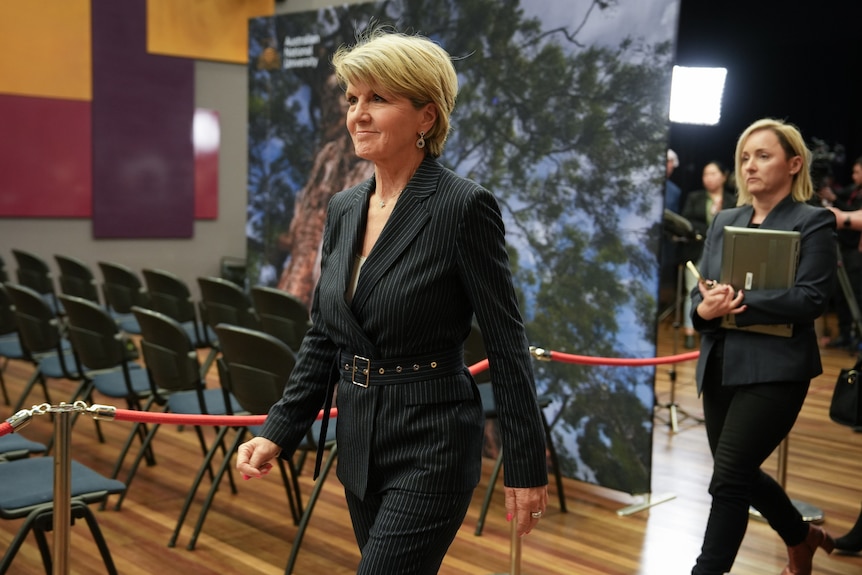
Julie Bishop used a statement on her resignation to warn about regulatory overreach. (ABC News: Matt Roberts)
In a statement, Ms Bishop said she was “deeply privileged” to hold the role of chancellor.
“I continue to regard the ANU as a truly national treasure,” she said.
In announcing her resignation, she expressed concern about the ANU Council’s ability to “discharge its legal and ethical obligations” following “unprecedented and coordinated interference”.
“The higher education sector is at a crossroads of regulatory overreach in the governance of our institutions or autonomy and academic freedom,” she said.
“I fear the collateral from this regulatory overreach will be the next generation of students and staff.”
‘Sign of hope’: students
In a statement, the ANU Students’ Association said the university had suffered in recent years.
“The past two years have been among the darkest in the university’s history,” the statement said.
“The resignation of the chancellor is a welcome indication that things are changing and a small sign of hope for the future of the ANU.”
National Tertiary Education Union (NTEU) ACT division secretary Lachlan Clohesy said Ms Bishop’s resignation was a chance for “calm and stability” to return to the ANU.
“The former chancellor has made two significant decisions which I support: The first was to accept the resignation of the former vice-chancellor, Genevieve Bell. The second was today,” Dr Clohesy said in a statement.
“Now that the fire has been put out, we’ll wait and see if the forthcoming TEQSA report will tell us how it started.”
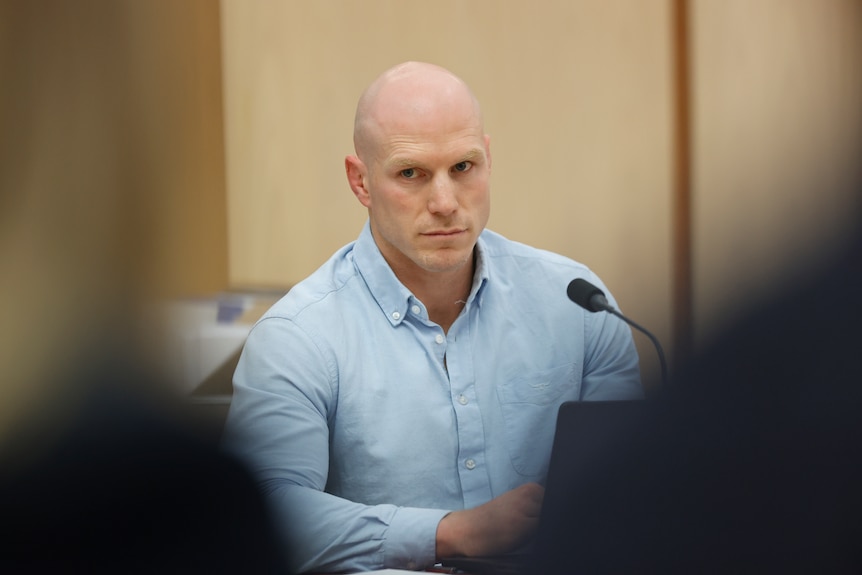
Independent ACT Senator David Pocock has been vocal in calling for accountability among ANU leadership. (Getty Images: Hilary Wardhaugh)
‘Must be accountability’: Pocock
ACT independent senator David Pocock, who had been vocal in calling for Ms Bishop to resign, said it had been an “incredibly difficult few years” for the institution.
“When things go so terribly wrong at the helm of such an important institution, especially one governed by Commonwealth law, there must be accountability,” he said in a statement.
“ANU was founded in the wake of two world wars as a beacon of hope, of working together and striving for better as a country.
“Now is the time to recommit to that mission, that optimism and that vision for what the ANU can be.”
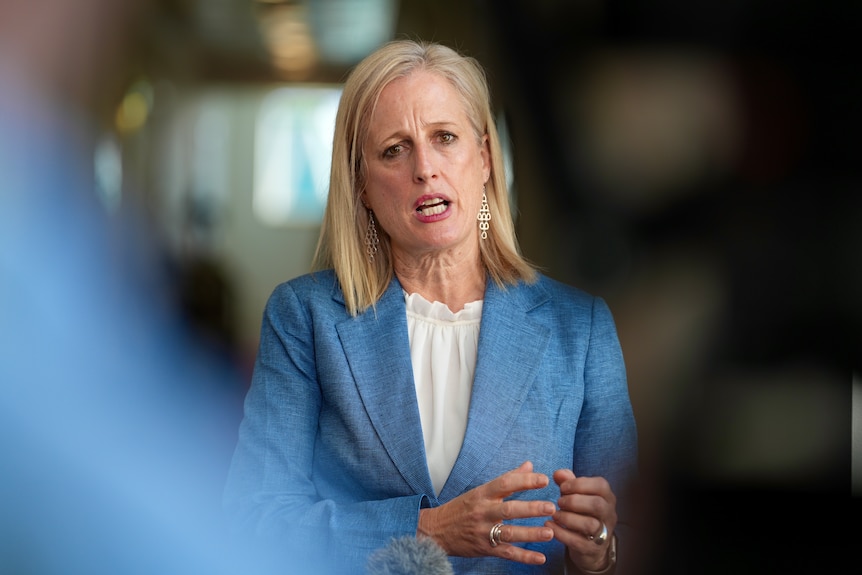
ACT Senator Katy Gallagher said the ANU’s road to rebuilding trust with the community will take some time. (ABC News: Callum Flinn)
ACT Labor senator Katy Gallagher released a statement acknowledging Ms Bishop’s resignation.
“The challenges facing ANU did not arise overnight, and rebuilding trust and confidence across the university community will take time and careful work,” she said.
“I have consistently said the university leadership and council need to work openly and constructively with staff, students and the broader community to rebuild confidence and agree on a path forward.”
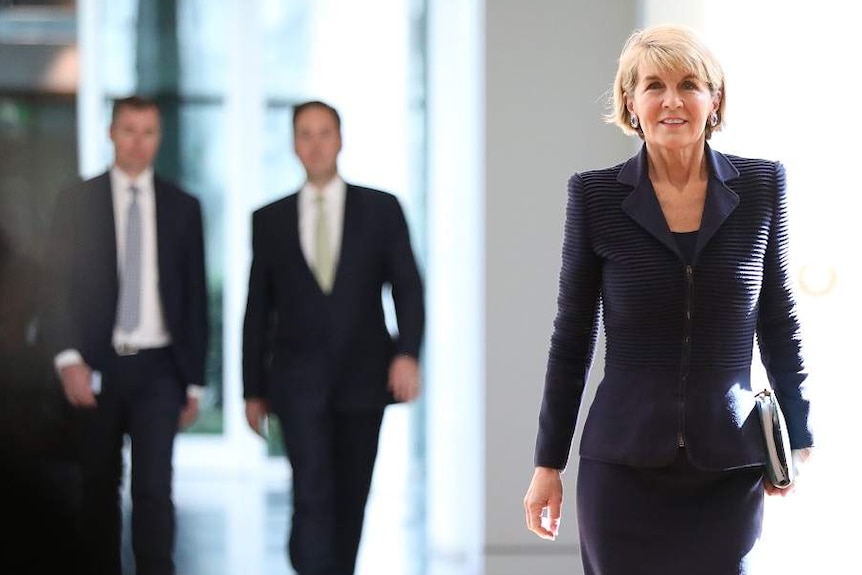
Julie Bishop held several cabinet positions during her career as a federal Liberal politician. (ABC News: Matt Roberts)
Before taking on the role as chancellor, Ms Bishop’s career as a federal Liberal politician spanned over 20 years.
She held several cabinet positions, including serving as the foreign affairs minister from 2013 to 2018.
Ms Bishop was the university’s 13th chancellor and had held the role since 2020.
Pro-chancellor Larry Marshall to act in role
In April, the ANU announced changes to the recruitment process for Ms Bishop’s successor.
As part of an agreement with the regulator, TEQSA, the university said the next chancellor would be selected by a panel of experts.
In an email, the ANU Council said Ms Bishop had “raised the university’s profile domestically and internationally and strengthened global connections”.
It noted recent years had seen “significant turmoil in the governance of the university” and said it was “committed to restoring the university’s reputation with our community”.
“Rebuilding trust and confidence in the quality of the governance of the university with our regulator TEQSA, other key accountability and oversight bodies, including the Minister for Education, and the Australian parliament, is paramount,” the email said.
The council said it had agreed pro-chancellor Larry Marshall would act as chancellor until a permanent appointment was made.