
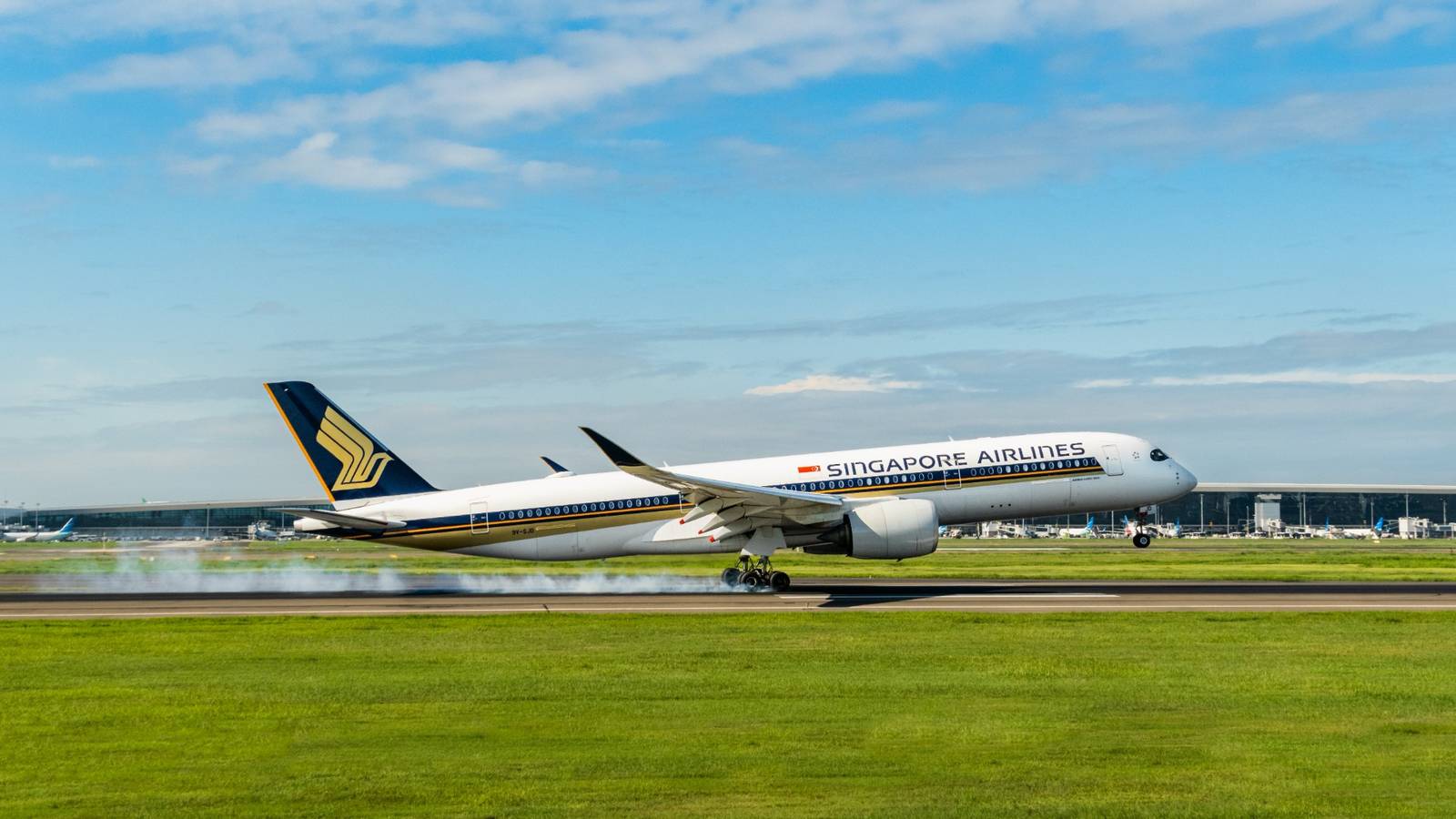
 Singapore Airlines to operate a record number of weekly services to Europe this November, with the airline planning to fly to 15 cities on the continent, including a new destination and frequency increases to three others. At a city-pair level, the largest capacity and frequency will be seen on the London-Singapore market, as the carrier is taking advantage of the capacity vacuum left by the reduced operations of Middle Eastern carriers.
With data showing an average of 18 daily departures to Europe, this article will look at the airline’s entire European route network for this Winter, as it continues to expand.
Europe Expansion: 128 Weekly Departures
Credit: Shutterstock
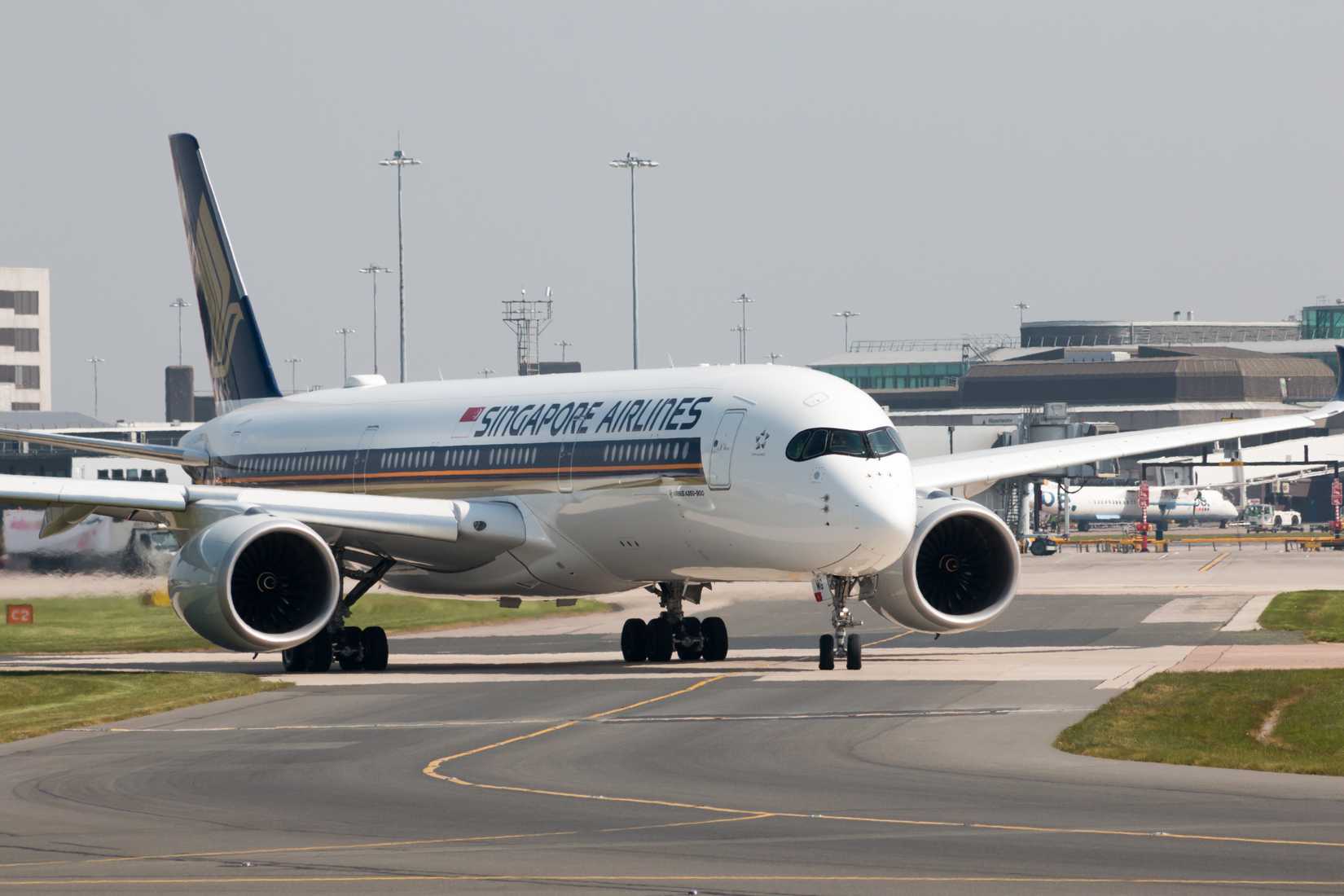
This Winter season, Europe is scheduled to see 128 Singapore Airlines weekly departures to 15 cities, marking the highest number of flights the airline has ever operated to the continent. Schedule data from Cirium indicates that this is achieved through three routes, with a frequency increase, while also changing its network, which would see the carrier return to the Spanish city of Madrid for the first time since 2004.
The airline’s European network consists of a combination of high-yield destinations and hubs for fellow Star Alliance members, boosting its secondary network and what it can offer passengers. The following will be the airline’s schedule to Europe this Winter:
Destination
Weekly Flights
Comment
Star Alliance Hub?
Amsterdam
7
No
Barcelona
5
Direct from Singapore
Continues to Madrid
Brussels
4
Yes – Brussels Airlines
Paris (CDG)
11
No
Copenhagen
7
No – but codeshare
partnership with SAS
Rome
3
Yes – ITA Airways
Frankfurt
14
Yes – Lufthansa
Istanbul
4
Yes – Turkish Airlines
London (LGW)
10
Three additional weekly services
No
London (LHR)
28
Manchester
7
Adding two additional
weekly services in July
Munich
10
Three new weekly
services
Yes – Lufthansa
Milan (MXP)
7
Three weekly flights
will not continue to Barcelona
No
Zurich
7
Yes – SWISS
As seen above, the airline’s operations to Europe this Winter will include eight additional weekly services, with direct flights to Barcelona and tagging Madrid, marking the return of the airline to the Spanish capital. The airline’s senior network planner, Behramjee Ghadially, spoke about the carrier expanding its network.
“Singapore Airlines is bullish in forecasting that passengers bound between Europe and Australasia will prefer to fly via an airport that is not in the Gulf. It is also taking advantage of high volume and high yield destinations in Europe to further expanding its network.”
Adding Capacity On Singapore – London City Pair
Credit: Singapore Airlines
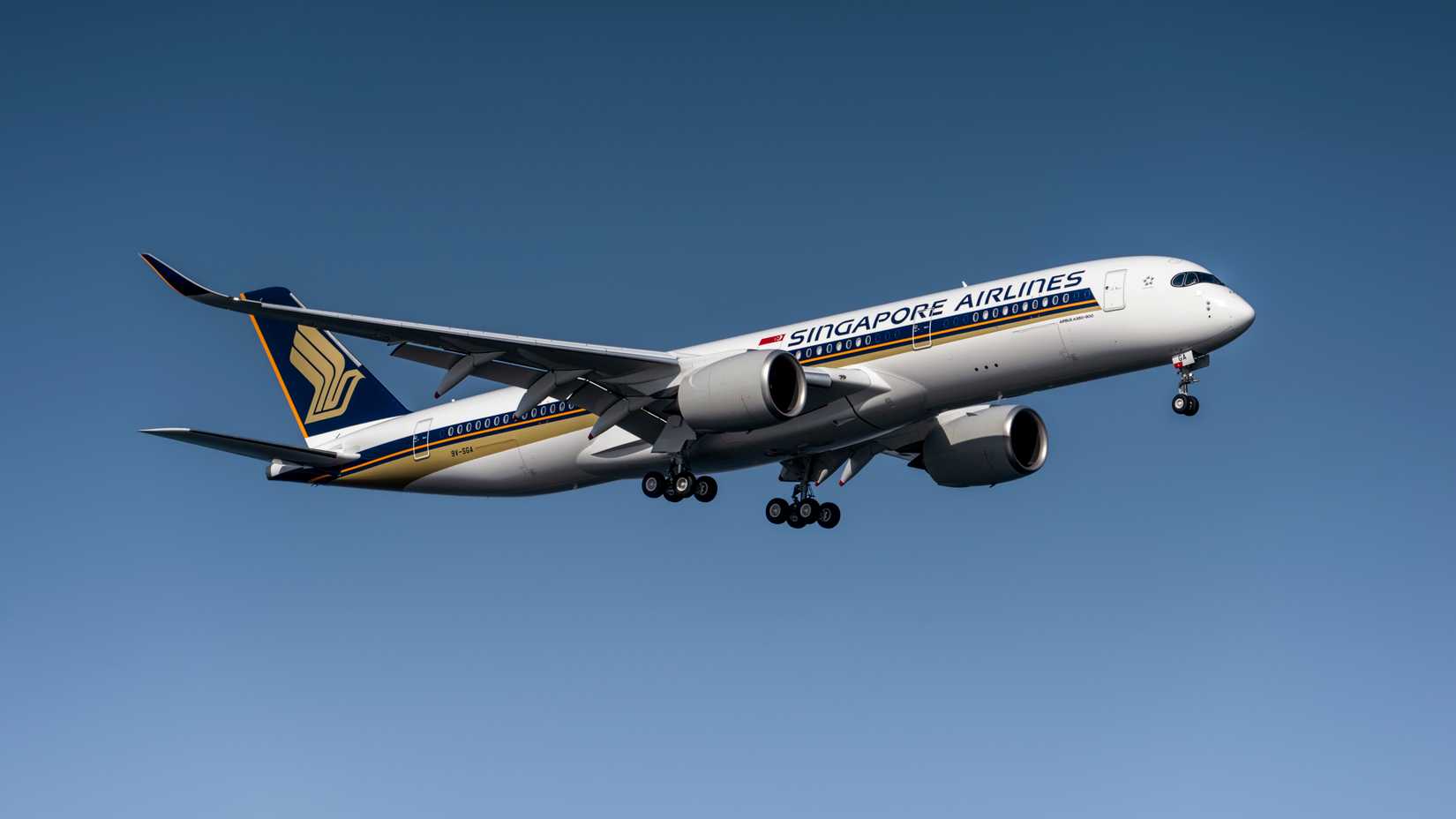
With the airline currently operating a total of 35 weekly flights to London, split between seven services to  London Gatwick Airport (LGW) and the remaining 28 to
 London Heathrow Airport (LHR), the city is clearly important to the airline. However, with the newly launched second service to LGW, the airline’s weekly frequency will be a record 38 flights. This is without considering the three additional services operated on this route by
 British Airways and Qantas, which add a further 21 flights a week between London and Singapore.
A key reason for the airlines deploying additional capacity is the reduction in frequency or capacity on Middle Eastern carriers’ services from their hubs to London and Singapore, due to the ongoing regional conflict. That being said, both LHR and Singapore Changi Airport (SIN) were among the very few airports to which all three airlines, Emirates, Etihad, and Qatar Airways operated A380 flights to, which is indicative of the importance of these markets and the demand the airlines saw between them.
Due to the slot constraints at Heathrow, it would have been easier for Singapore Airlines to add flights to Gatwick. That being said, two of the airline’s daily services to Heathrow see the high-capacity Airbus A380. British Airways is also planning to increase its capacity on this route by shifting one of its two daily services to Singapore to an A380. Therefore, among the three airlines operating on the SIN – LHR route, there will be four daily A380 operations in either direction (two from Singapore, one each from British Airways and Qantas).
Related
Six Flights A Day: Singapore Airlines Boosts London Capacity To Record Levels
With a second daily service to Gatwick, SIA will operate up to 6 daily flights this summer.
A Strategic European Route Network
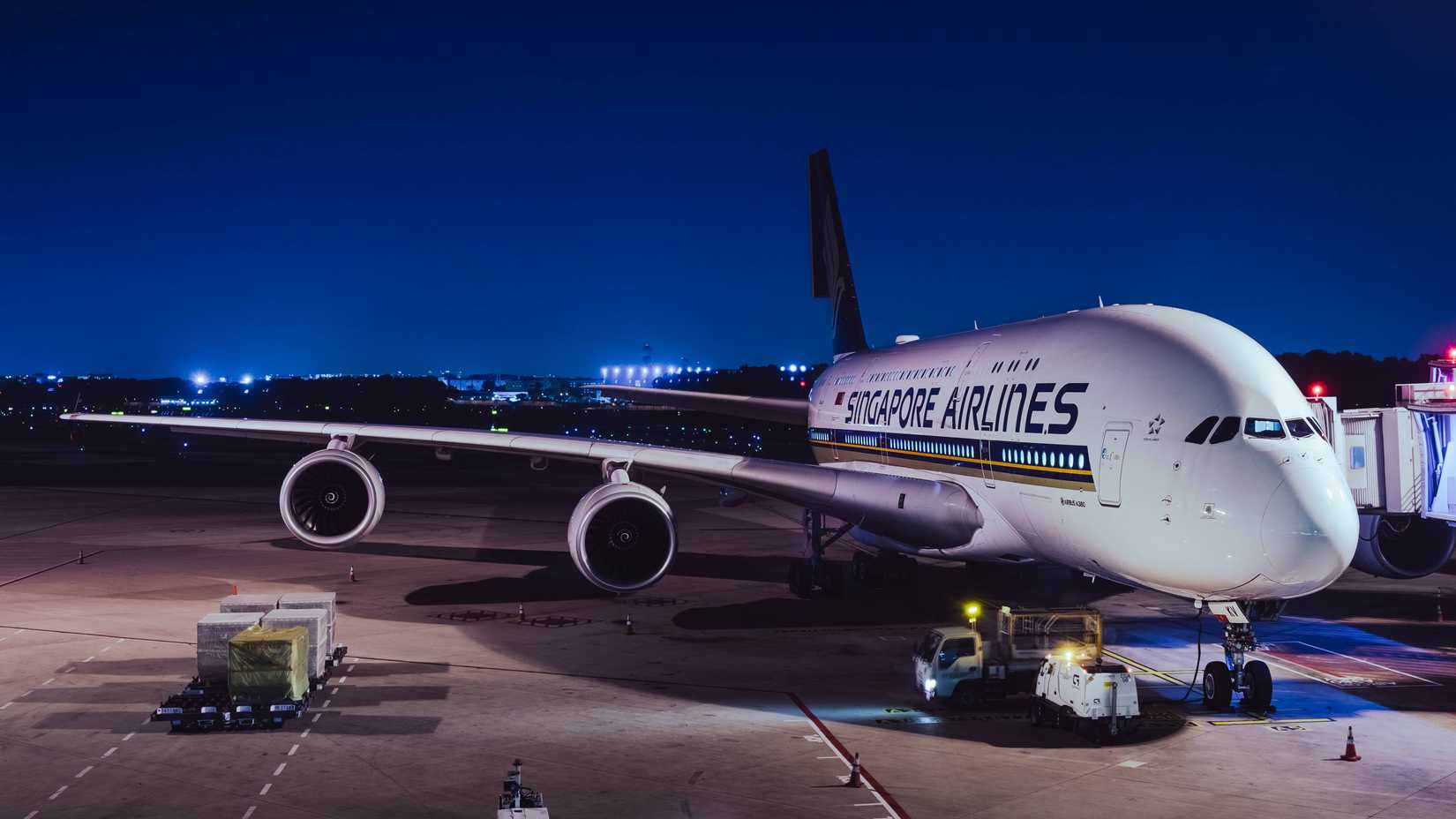
Credit: Shutterstock
Due to Singapore’s geographic location and its role as a major aviation hub in the region, its home carrier, Singapore Airlines, is in a unique position to connect East Asia and Australasia with Europe. That being said, the carrier has been strategic in selecting which cities and airports to serve.
Simple Flying Quiz
Easy (15s)
Medium (10s)
Hard (5s)
Start
Simple Flying Quiz
Easy (15s)Medium (10s)Hard (5s)
Start
Some routes, such as London Heathrow and  Paris Charles De Gaulle Airport (CDG), have been selected purely due to the high yields and passenger demand. However, other routes, such as Frankfurt and Zurich, also boost the airline’s secondary network connectivity, due to the airports being home to fellow
 Star Alliance members and airline partners such as Lufthansa and SWISS Airlines. With the help of these partner airlines, the carrier can offer its passengers better connectivity within Europe and beyond, from the few limited and profitable gateways the airline flies to.
Furthermore, due to the hub-and-spoke nature of Singapore Airlines’ route network, growth in one market often drives synergistic growth in another. In this case, the winter expansion to the airline’s European network will align with the growth seen on the airline’s Australian market. As of March, the airline operates up to 23 daily flights to Australia, as Singapore serves as an important transit point (outside the Middle East) for the high-demand Australia-Europe market.