
For more than a century, Australia prided itself on being a nation that extracted things, grew things and made things.
It built industries that survived depressions, wars and oil shocks.
Families could buy a home on one income, raise children, and still afford a holiday at the coast.
Now the country is watching century-old businesses collapse while politicians in Canberra congratulate themselves for “cost-of-living relief” that merely papers over the wreckage they helped create.
This week’s Federal Budget has been presented as responsible and compassionate.
In reality, it is another exercise in fiscal theatre from a political class addicted to spending money it does not have while pretending inflation is someone else’s fault.
The tragedy is not merely that inflation remains embedded in the Australian economy.
It is that both major parties spent decades laying the foundations for precisely this moment – and now neither appears willing to confront the consequences honestly.
The collapse of iconic Australian mattress manufacturer A.H. Beard – which entered voluntary administration on April 28 after 126 years in business – is not an isolated corporate failure.
It is a symbol of a country slowly suffocating under the weight of its own contradictions.
There are plenty of other examples too, like true-blue Australian clothing brand Rivers, which went out of business last year. The brand’s manufacturing history goes back to mid nineteenth century rural Victoria.
Both parties built this monster
It would be comforting for conservatives to frame this purely as a Labor problem.
But that would be dishonest.
Australia’s inflationary mess did not begin in 2022.
It is the cumulative result of years of bipartisan addiction to cheap money, deficits and political cowardice.
Inflation is not an abstract statistic.
It is the slow destruction of purchasing power.
The Reserve Bank measures inflation through a “basket” of essentials — housing, food, electricity, fuel, healthcare, education, childcare and transport.
In the 1970s, the median Australian house price was roughly four times median annual income.
Today, in Sydney and Melbourne, it is closer to ten – or twelve-times income.
Electricity, insurance, childcare and healthcare costs have all surged beyond wage growth, while real wages have barely moved in years.
This is why inflation feels so corrosive: the essentials of middle-class life consume larger shares of household income while governments continue inflating debt and asset prices.
For years, both major parties expanded spending while avoiding serious governance on productivity, taxation, energy reliability and housing supply.
And then came Covid.
 The great Covid sugar hit
The Coalition government under Scott Morrison unleashed spending on a scale unprecedented in peacetime Australian history.
JobKeeper alone cost roughly $90 billion.
Combined federal and state pandemic stimulus exceeded $300 billion.
The Reserve Bank slashed rates to 0.1 per cent and printed money while governments sprayed cash across the economy.
At the time, the spending frenzy was treated as unavoidable orthodoxy.
In reality, it was a global stampede of political cowardice disguised as economic consensus.
Few leaders possessed the courage to ask whether flooding economies with borrowed money and near-zero interest rates might create consequences long after the “emergency” passed.
Australians were encouraged to borrow, spend and speculate.
Property prices surged more than 20 per cent nationally during the pandemic boom while household debt climbed to among the highest levels in the developed world.
The consequences were predictable.
Inflation exploded from below two per cent before Covid to 7.8 per cent by late 2022.
Grocery bills surged. Rents spiralled. Mortgage repayments jumped by more than $1,500 per month for many households after the Reserve Bank’s rate hikes.
And once voters become accustomed to free money, politicians rarely have the courage to take the punch bowl away.
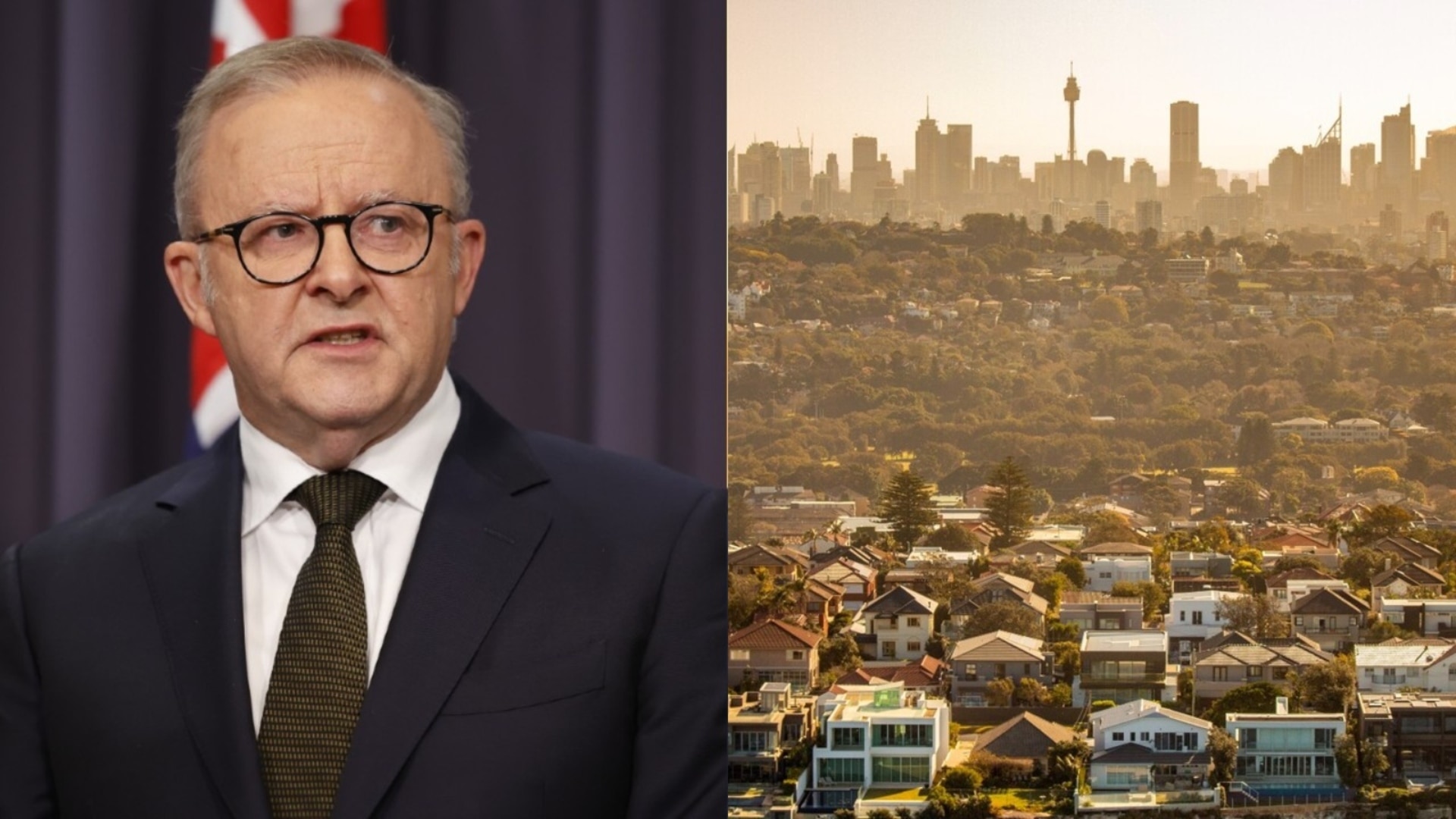 Labor didn’t inherit the fire – it poured petrol on it
Anthony Albanese and Jim Chalmers frequently speak as though inflation simply drifted into Australia from overseas.
Yes, global supply chains, wars and energy shocks mattered.
But domestic policy matters too – and Labor’s spending since 2022 has consistently worked against the Reserve Bank’s efforts to contain inflation.
The government insists its spending is “targeted” and “responsible”.
But deficits are deficits, and demand is demand.
Since taking office, Labor has expanded spending across energy rebates, the NDIS, housing schemes, infrastructure and public sector wages while federal spending remains historically elevated outside recessionary periods.
Even this week’s budget leans heavily on more cost-of-living relief despite inflation remaining above the Reserve Bank’s target band.
This is the contradiction at the heart of modern Australian economic management: the Reserve Bank raises rates to suppress demand while governments spend to cushion voters from the pain — keeping inflation and rates higher for longer.
 The new Australian dream: survive until payday
Real household disposable income has suffered one of the sharpest declines in modern Australian history.
Insolvencies are climbing. Retail spending is weakening. Small businesses are folding under the combined weight of wages, rents, insurance, energy costs and interest repayments.
Young Australians increasingly view home ownership not as a milestone but as fantasy.
Meanwhile, record immigration intake is placing additional pressure on housing, infrastructure and rents in already strained cities.
Australia increasingly resembles an economy built not on production and competitiveness, but on debt-fuelled consumption and asset inflation.
And while politicians obsess over quarterly headlines, productivity has stalled, housing supply remains constrained, energy costs are globally uncompetitive, and the tax system continues rewarding speculation over productive investment.
None of this is sustainable.
 Interest rates are the messenger, not the villain
Interest rates are not the disease. They are the symptom.
Higher rates are what happen after governments and central banks overstimulate economies for too long.
For years Australians were conditioned to believe ultra-cheap money was normal because it inflated property values and masked deeper structural weakness.
But cheap money always comes due eventually.
Now households are discovering what happens when an economy built on leverage collides with persistent inflation.
The pain is real. But pretending rates can fall while governments continue deficit spending is fantasy economics.
 The reckoning Australia still refuses to have
The deeper issue confronting Australia is cultural as much as economic.
The nation has gradually lost sight of the difference between wealth creation and wealth redistribution.
Governments cannot permanently spend societies into prosperity.
Central banks cannot suppress economic gravity forever.
This week’s budget is not a reset. It is the continuation of the same habits that helped create the inflation problem in the first place.
If the current trajectory continues, Australia is likely to face structurally higher inflation, elevated interest rates and slower growth simultaneously — the worst combination possible for middle-class households.
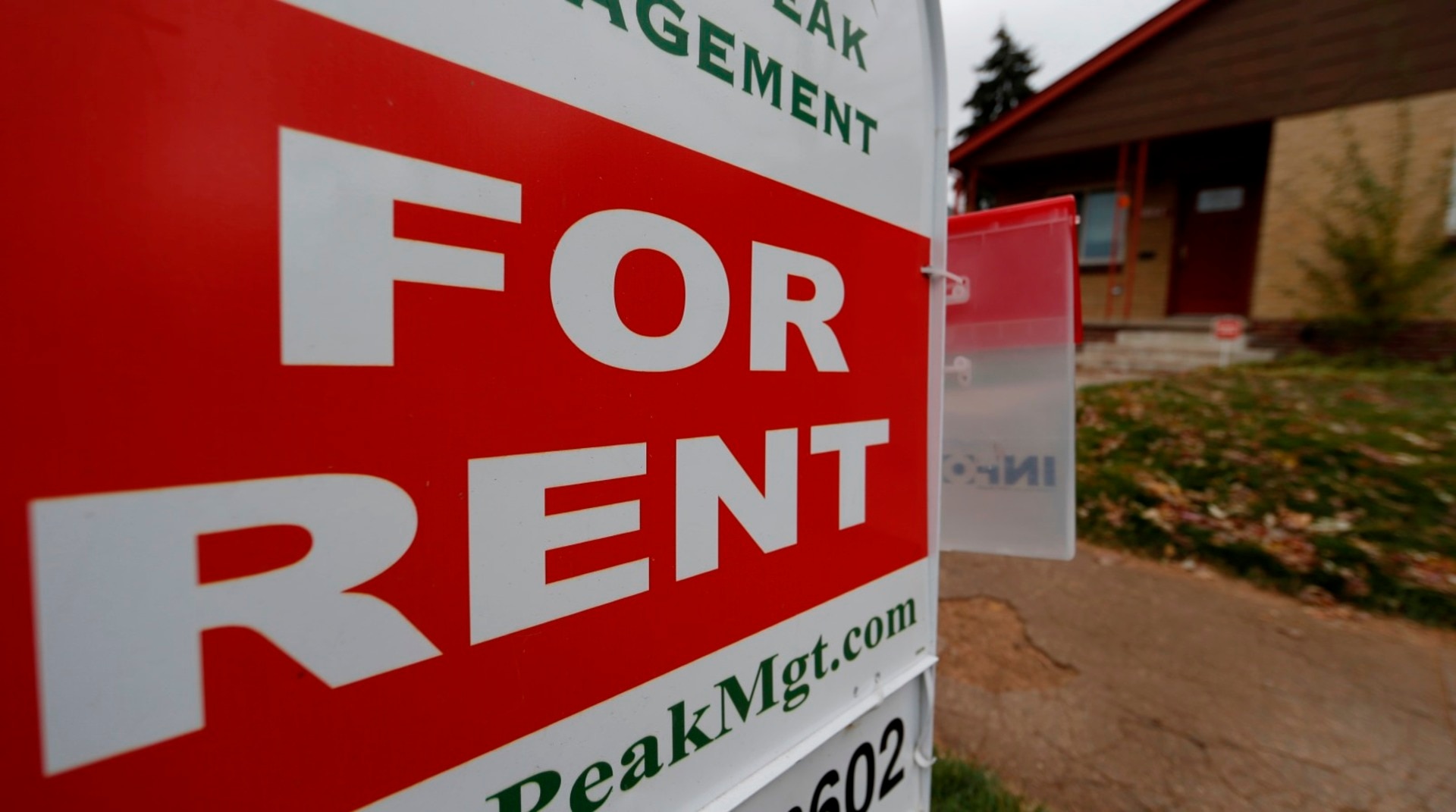
Mortgage stress will intensify. Home ownership will drift further out of reach. Small business closures will accelerate. Government debt servicing costs will crowd out productive investment.
The deeper danger is national decline disguised as stability.
Economies built overwhelmingly on debt expansion, property speculation and government transfers eventually stop producing dynamism. Innovation slows. Productivity weakens. Entire generations begin to feel the system no longer works for them.
Australia does not merely need lower inflation or lower interest rates.
It needs mature leadership capable of building economic prosperity and fundamental durability instead of merely redistributing decline.
Because history suggests nations can survive a great many things.
But eventually, even the strongest mattress collapses under the weight of its own folly.
Kosha Gada is a tech entrepreneur and CEO of Memories Technologies Pty Ltd. She is also a broadcast commentator on US and international current affairs, appearing live three nights a week on Sky News Australia