
 3 min read
Aerodynamics in cycling is often presented as straightforward: reduce drag, go faster. But in practice, aero gains are often messy and complicated. The same piece of equipment can make one rider faster, do very little for another, and even make someone slower, depending on how it interacts with that rider.
That gap between expectation and reality is where much of the confusion around aero performance lives. Over the past decade, brands have gotten very good at finding small reductions in drag through frame shapes, components, and rider-facing equipment. But those gains are often presented in isolation, as if they translate cleanly to every rider in every situation. In reality, aero performance is far more conditional.
Take one of the most common modern upgrades: the one-piece handlebar and stem. It’s designed to be a cleaner, leading-edge addition to the bike, resulting in lower drag. But it also limits adjustability. And that matters, because when it comes to aerodynamics, rider position outweighs almost everything else. Your body accounts for roughly 80 percent of your total drag on the bike.
Trevor Raab
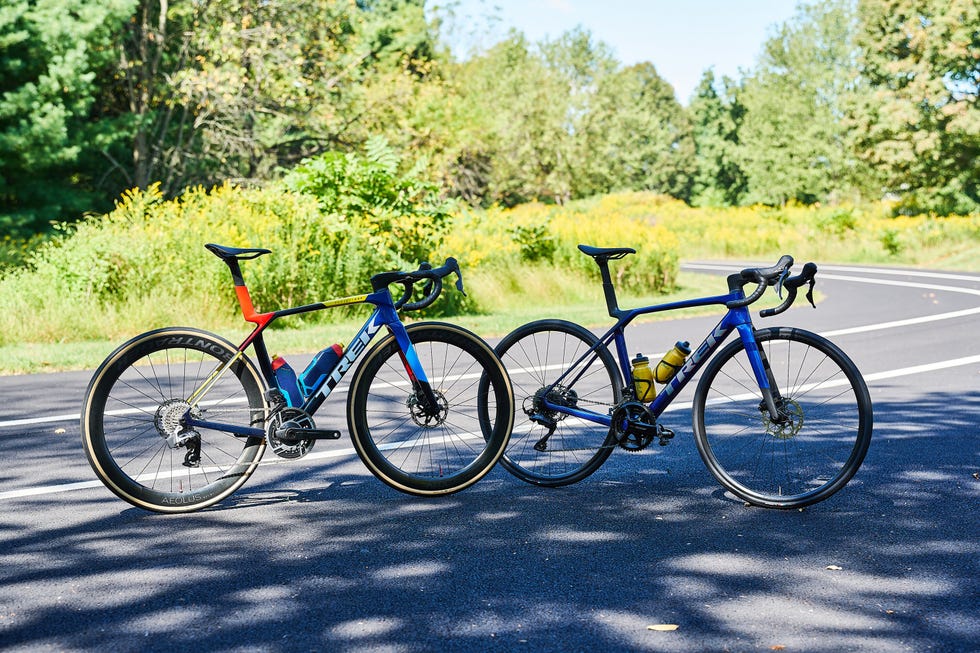
Last summer, I rode two Trek Madones in the same size. One was a $13,500 top-tier build with a one-piece carbon cockpit and deep-section carbon wheels. The other was the $3,700 base model, with a two-piece alloy bar and stem and shallow aluminum wheels. Riding both bikes in my normal position at a steady 280 watts, the more expensive bike was about 1.2 miles per hour faster on a flat road.
But the more interesting result came from changing the rider, not the bike.
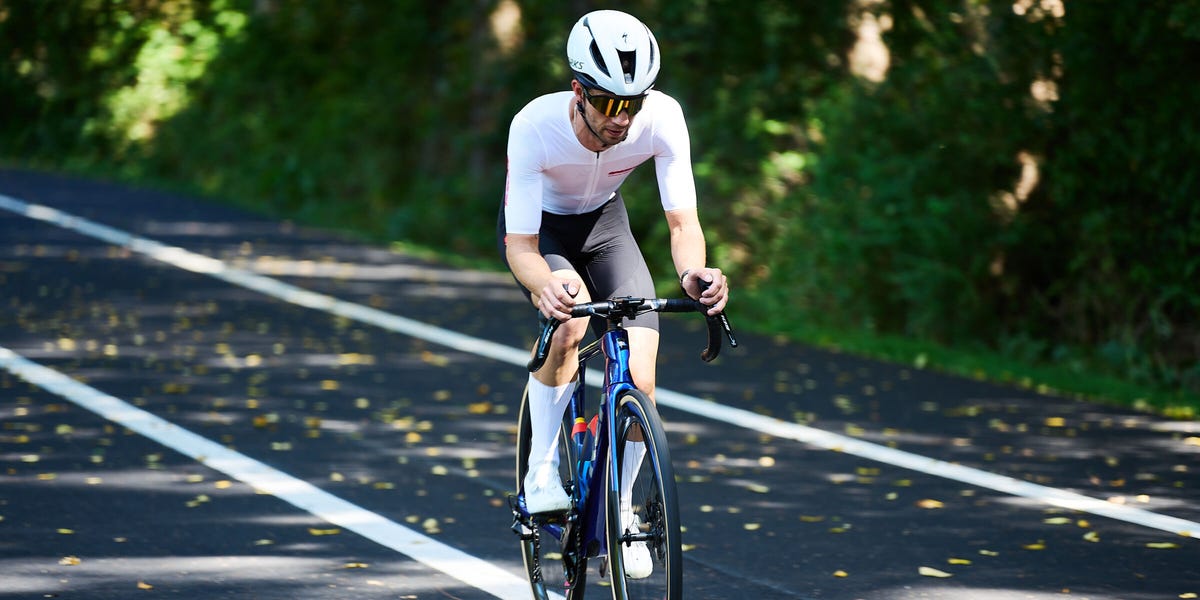
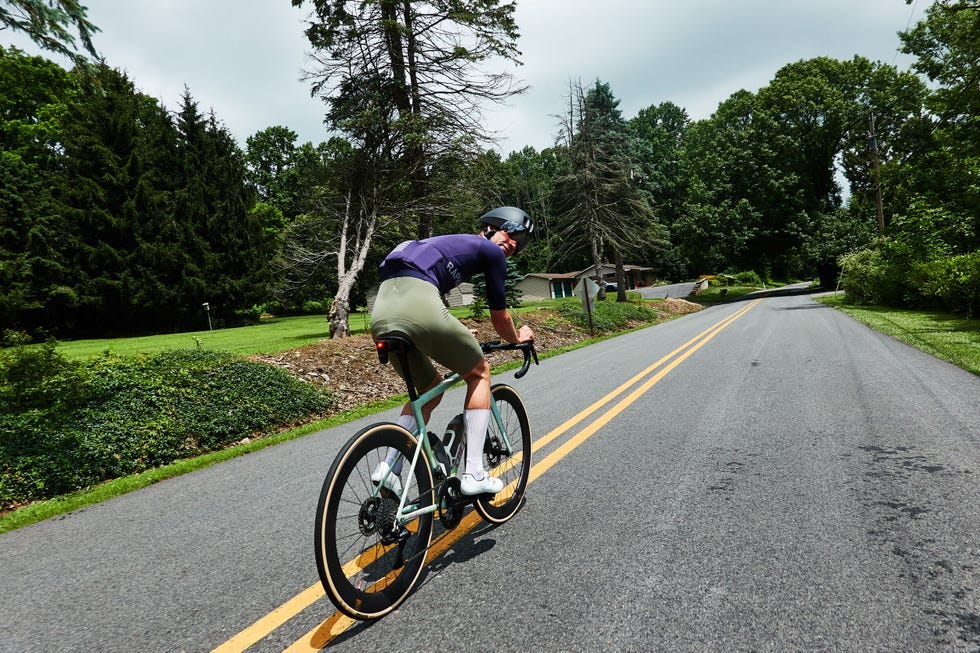
On the less expensive Madone, I lowered my torso slightly, hinged more at the hips, and narrowed my shoulders while keeping my elbows relaxed. It wasn’t an extreme position, just a more deliberate one that I could comfortably hold. That change alone reduced my frontal area enough to cancel out the expensive bike’s speed advantage. No new equipment.
trevor raab
In theory, stacking aero gains should mean going faster. So if I used the faster position with the faster bike, I should be faster. In practice, that only works if the bike allows you to find and maintain your best position.
This is where equipment design and adjustability start to matter more. In theory, stacking aero gains should mean going faster. In practice, that only works if the bike allows you to find and maintain your best position.
On the less expensive Madone, dialing in fit was simple. The two-piece bar and stem made it easy to adjust reach and drop. If something didn’t feel right, I could change it and try again. The more expensive bike was a different story. Its one-piece cockpit came in limited sizes and required a full brake-line replacement to make changes. That setup may test well in a wind tunnel, but it also makes experimentation harder and more expensive.
More broadly, it points to how aero gear is marketed as “buy this to be faster”, when the reality is that aero is not quite plug-and-play.
Helmets are a good example. They can perform very differently depending on how a rider holds their head. A design that tests well with a low, steady head position may lose its advantage if a rider tends to look up the road more frequently. Wheels are sensitive to wind angle and speed, so their performance can vary with constantly changing outdoor conditions. Even something as simple as tire choice can alter how air flows around the rims, ultimately affecting their aerodynamic performance.
In other words, aero isn’t a fixed property of a product. It’s the result of how that product interacts with a rider and bike in motion. None of this is an argument against aerodynamics. Modern bikes and equipment are undeniably faster than their predecessors. But those gains don’t exist in a vacuum, and they don’t apply evenly across riders or setups.
Before chasing a claimed watt savings, it’s worth asking a different question: not just whether something is more aero, but whether it’s more aero for you. That means considering how you actually ride, what position you can realistically sustain, and whether a given piece of equipment helps or hinders that. Because in the end, aerodynamics isn’t just a property of a bike part. It’s how the whole system, bike and rider, works together to reduce drag.

Test Editor Dan Chabanov got his start in cycling as a New York City bike messenger but quickly found his way into road and cyclocross racing, competing in professional cyclocross races from 2009 to 2019 and winning a Master’s National Championship title in 2018. Prior to joining Bicycling in 2021, Dan worked as part of the race organization for the Red Hook Crit, as a coach with EnduranceWERX, as well as a freelance writer and photographer.