
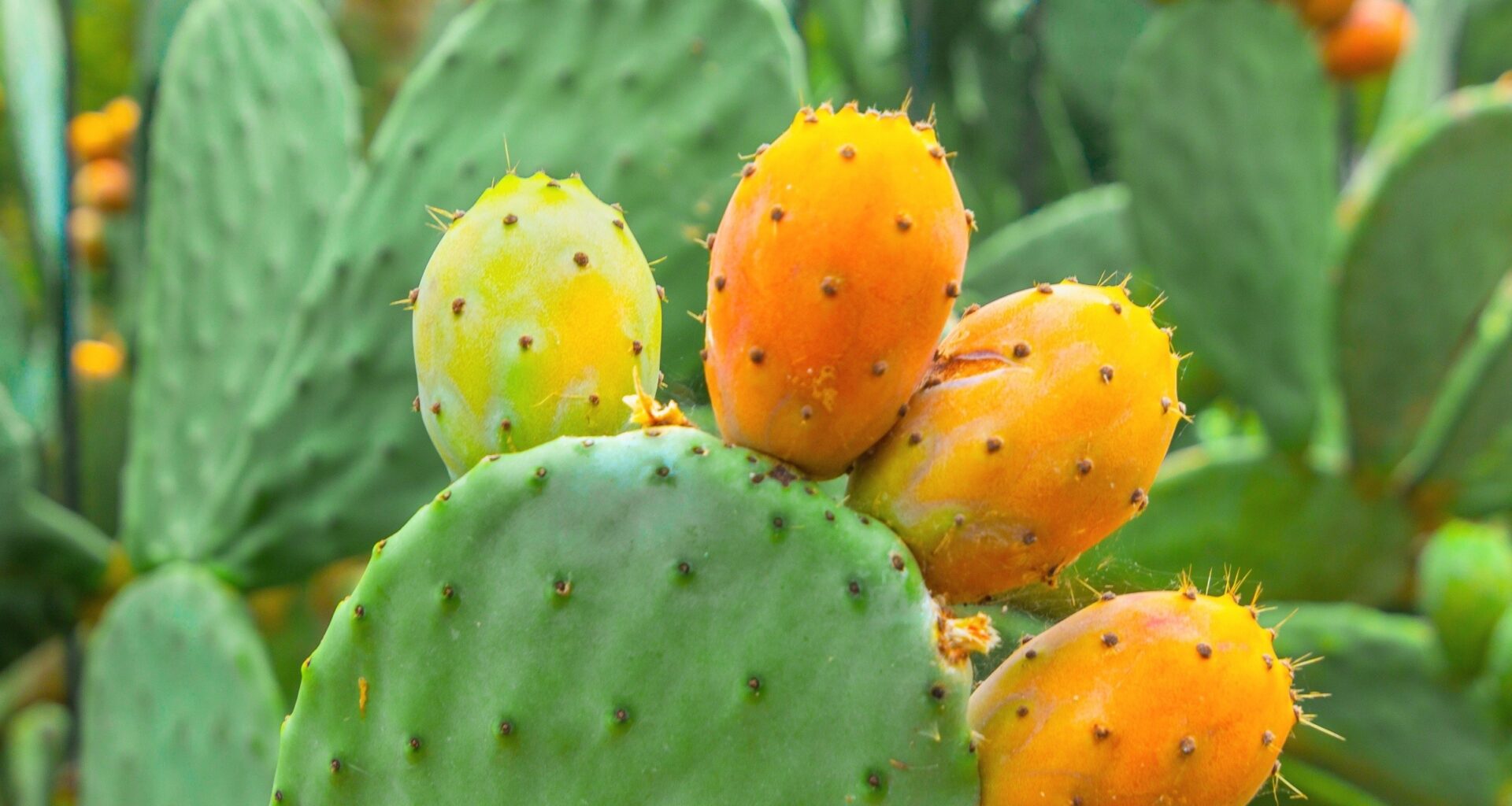
Construction sites don’t usually bring cactus plants to mind. Still, engineers think leftover material from prickly pear cactus farming could offer a cleaner, lower-cost way to make building materials.
At first, the idea may sound unusual. But it points to a real problem in construction.

Many modern building materials are lightweight and durable, which is exactly why they are so widely used.
But producing them requires large amounts of energy and recycling them at the end of their life is often difficult. Much of that waste can also persist for decades.
From cactus waste to construction material
Researchers are now looking at plant-based options that can do some of the same jobs without creating as much pollution. Their latest focus is agricultural waste from prickly pear cactus plants.
Inside the cactus pads sits a web of natural fibers that already performs an important job in nature. The plant relies on those fibers to stay upright and survive strong winds in dry climates.
Researchers believe those same structures could reinforce future construction products.
Study lead author Matt Hutchins is an expert the Department of Mechanical Engineering at the University of Bath.
“Inside the flat cactus pads is a naturally occurring fiber network. These fibers form a honeycomb-like structure that helps the plant support its own weight and resists bending in strong winds,” said Hutchins.
“We’re exploring how to extract these structures and keep them intact, borrowing their natural properties to reinforce bio-based composites.”
Why cactus waste matters
Natural fibers are not new in engineering. Scientists have already experimented with flax, hemp, and other plants as alternatives to synthetic materials.
The trouble is that growing those crops still requires farmland, water, pesticides, and fertilizers. Using discarded cactus material changes the equation.
Prickly pear cactus, known scientifically as Opuntia ficus-indica, grows fast and thrives in hot, dry places where many other crops struggle.
Farmers often trim or remove large amounts of cactus material during food production or to stop the plants from spreading too aggressively. That waste usually has little value.
Sustainable materials for construction
As climate conditions become hotter and drier in many parts of the world, prickly pear cactus is also expected to spread into more regions.
That could create an even larger supply of unused plant waste.
“Although the benefits of sustainable, bio-based materials are well-known, their use in construction is still limited,” said Dr. Fulvio Pinto, who leads the international collaboration behind the project.
“We hope that by incorporating regionally sourced or culturally significant plants, we can not only reduce embodied carbon in building materials but also increase the adoption of natural materials in civil applications.”
Pulling strong fibers from a cactus
Turning cactus waste into something useful is not as simple as slicing open a cactus pad and mixing it into plastic.
Researchers first had to figure out how to remove the fibers without destroying the natural honeycomb structure that gives them strength.
The team tested two extraction methods. One was water retting, a process humans have used for centuries with flax.
Plant material sits in water for several weeks while the softer tissue slowly breaks down, leaving the fibers behind.
The second method used changing water pressure to wash away the soft material much faster. That cut processing time by roughly 90 percent. Speed, however, was not everything.
The slower water-retting process produced cleaner and stronger fibers with fewer leftover residues that could weaken the final material.
Researchers also found that older cactus pads worked better than younger ones because their fibers were stronger and easier to separate.
That matters because the strength of the final composite depends heavily on how intact those fibers remain during processing.
Potential everyday applications
When researchers mixed the cactus fibers into plastics, the results surprised them. The material became stiffer and stronger than either ingredient alone, especially during bending and light impacts.
The composites still cannot compete with carbon fiber in high-stress situations. They are not designed for aircraft parts or heavy structural support.
But the composites could fit well into many everyday uses where low cost and low environmental impact matter more than extreme strength.
Possible applications include lightweight wall panels, cladding, car interior parts, and sports equipment such as surfboard cores.
A material with visual appeal
Researchers say the material also has visual appeal because the cactus’s natural honeycomb pattern remains visible after processing.
“Beyond the mechanical stiffness, these composites are quite aesthetically pleasing, with the natural honeycomb structure of the cactus still visible in the final product,” said Omar Elhawary, who is studying the material’s tensile and flexural performance.
“The visual appeal of the research has already captured public attention; an image of the cactus-reinforced composite was showcased outside Bath Spa train station last November as part of the University’s ‘Images of Research’ competition, highlighting the intersection of engineering and sustainable art.”
The push toward greener construction
Construction is responsible for a major share of global carbon emissions. Much of that comes not only from operating buildings but also from producing the materials used to build them. Engineers often call this embodied carbon.
That has pushed scientists worldwide to search for alternatives made from renewable or waste materials.
Some researchers are experimenting with mushroom-based insulation, bamboo structures, recycled plastics, and plant fibers.
Cactus composites fit into that larger movement.
Future research directions
The research team plans to keep testing how well cactus fibers bond with construction polymers and how the materials perform when stretched or bent under pressure.
They are also exploring manufacturing methods that could eventually work at industrial scale.
If the technology succeeds, future buildings may quietly contain parts made from a plant many people associate more with deserts than engineering labs.
The project is part of a larger research effort connected to the Centre for Regenerative Design & Engineering for a Net Positive World and the University of Catania in Sicily.
The full study was published in the Journal of Natural Fibers.
—–
Like what you read? Subscribe to our newsletter for engaging articles, exclusive content, and the latest updates.
Check us out on EarthSnap, a free app brought to you by Eric Ralls and Earth.com.
—–