
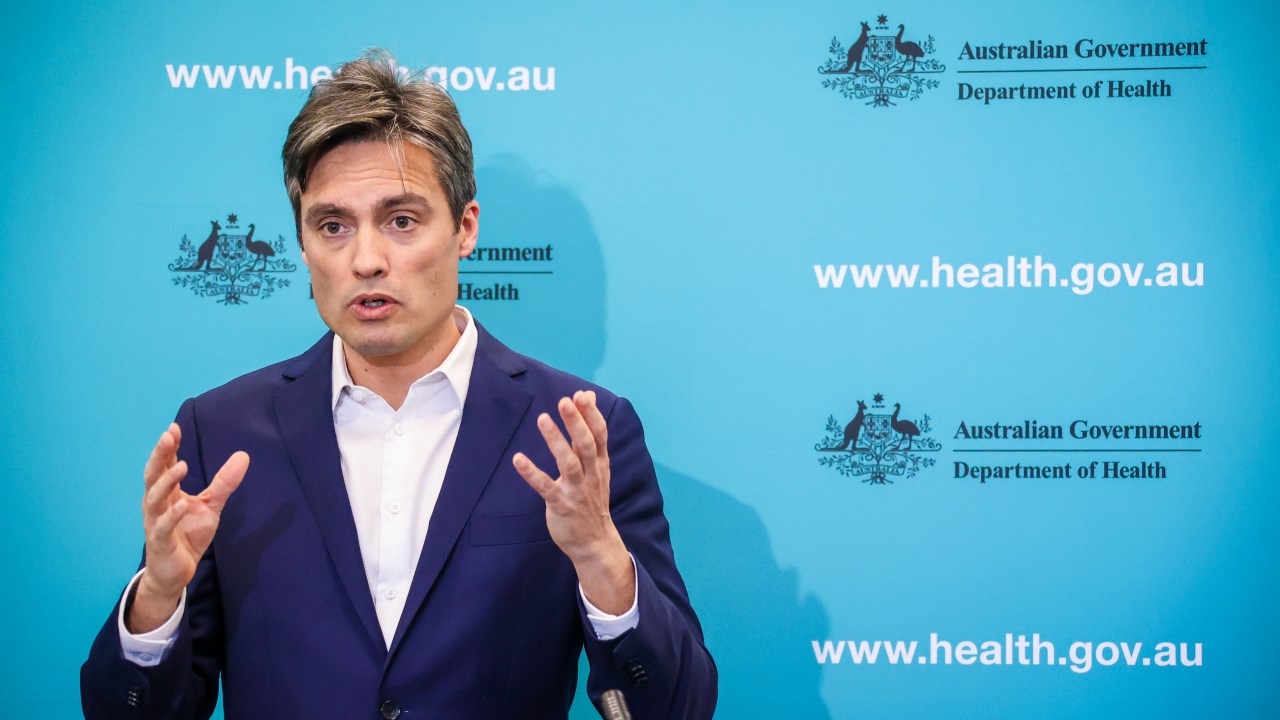
Labor’s decision to remove the 50 per cent capital gains tax discount has led a fomer top Australian medical officer to flag the wider consequences for the nation’s economic confidence.
Under the changes announced in last week’s budget, business owners could face tax rates of up to 47 per cent when selling assets or companies, depending on their circumstances.
The policy has triggered a response from parts of the business community, including a wave of online satire directed at Prime Minister Anthony Albanese using AI-generated images.
Among those raising concerns is former Deputy Chief Medical Officer and current media commentator Dr Nick Coatsworth, who warned the reforms could have long-term economic impacts beyond tax settings.
“We’re becoming a weaker nation, of that I have absolutely no doubt,” Mr Coatsworth said in a social media post on Wednesday.
He argued the changes could discourage risk-taking at a time when global competitors are moving in the opposite direction.
“This is a risky world, and all of our competitors in the region and around the globe are taking more risks, and here we are with a budget that encourages us as a nation to take less risks,” he said.
He argued the policy could reduce Australia’s attractiveness as a destination for entrepreneurs and investors, particularly in high-growth sectors such as technology and start-ups.
“It makes us less of a destination for business, makes us a less strong economy, that’s the problem with it,” he said.
“That is going to affect us all, that’s going to affect us badly.”
Speaking to Sky News, business entrepreneur Julian Fayad, who runs Loan Options AI, agreed that many business leaders could consider relocating operations overseas if the policy settings reduced Australia’s competitiveness.
“That’s a very real possibility now,” he said.
“We’re going to lose some of Australia’s best talent.”
This comes after young investors and entrepreneurs shattered Labor’s spin that its tax changes are good for younger Australians.
The government said its budget would address intergenerational inequity, but the changes to CGT and negative gearing were grandfathered.
This preserves the favourable conditions for older Australians and those benefiting from the old scheme.
Younger Australians are also more likely to invest in shares to build wealth and save for a deposit on a home.
In April 2025, Mr Albanese ruled out changes to negative gearing or CGT, saying: “Yeah, it’s off the table”.
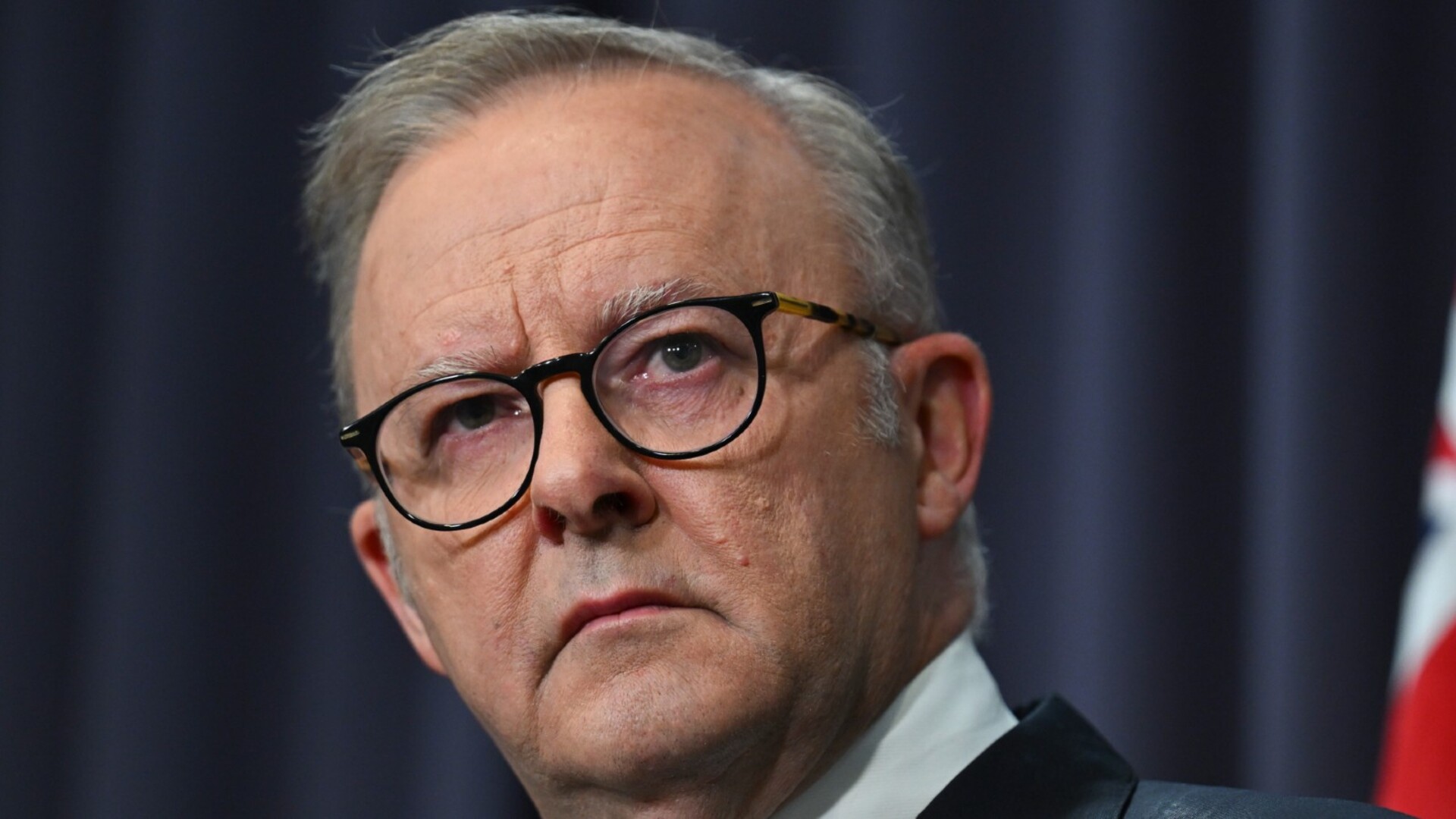
He reinforced that position in May 2025, telling Sky News: “The proof’s in the pudding. If we were going to make changes, then why haven’t we?”
However, in the first federal budget since, the government has completely reversed its position without taking the changes to voters at an election.
In his reply to the budget last Friday, the Opposition leader Angus Taylor said he would keep Labor’s tax offset, index the tax scale, repeal changes to negative gearing and capital gains tax concessions proposed by the government while also pledging to increase defence spending.
According to the Sky News Pulse / YouGov poll, 31 per cent believe the changes to CGT and negative gearing will help, but 38 per cent say the opposite, and 31 per cent say they will wait and see.
But there is a huge gap between young and old, with 49 per cent of 18–24-year-olds believing the measures will help, compared to only 22 per cent of those over the age of 50.