
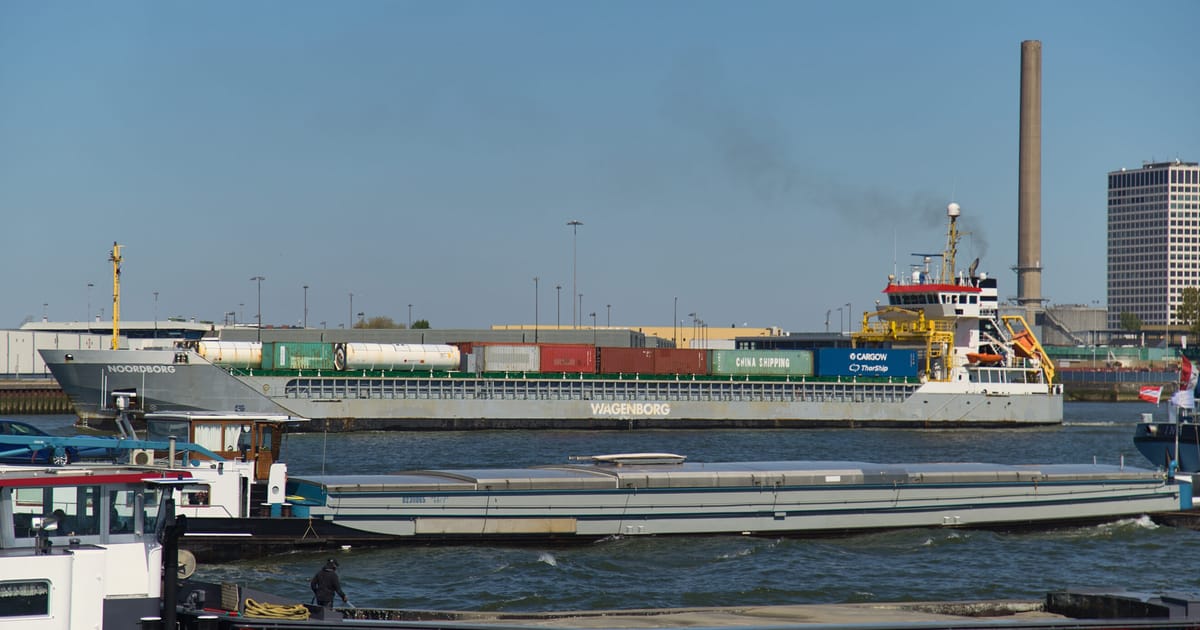
The severity of the energy shock will depend on when the Strait of Hormuz — which channels 20 percent of global oil traffic — will re-open. Talks between the U.S. and Iran to end the conflict in the Middle East have hit a standstill.
The Commission has used current market expectations on oil prices as the baseline scenario to make its forecasts. But Dombrovskis said that a longer-than-expected closure of the Strait of Hormuz could potentially halve EU growth forecasts for this year and next year.
Regardless of peace talks, the economic effects of the conflict will endure in the coming years. Average government deficits in Europe are expected to rise from 3.1 percent of GDP in 2025 to 3.6 percent in 2027.
Germany’s deficit, which is forecast at 3.7 percent in 2026, is set to significantly exceed the Commission’s three percent threshold. This could result in Berlin entering the EU’s special regime for overspenders, known as the excessive deficit procedure.
The latest forecasts follow bad news from eurozone-wide survey this morning which found that private sector activity shrank in May at the fastest pace in more than two and a half years.
The picture was especially bleak in France, where business activity contracted at the fastest pace in more than five years, marking the fifth straight month of contraction and defying expectations for a slight improvement.