
Your support helps us to tell the story
From reproductive rights to climate change to Big Tech, The Independent is on the ground when the story is developing. Whether it’s investigating the financials of Elon Musk’s pro-Trump PAC or producing our latest documentary, ‘The A Word’, which shines a light on the American women fighting for reproductive rights, we know how important it is to parse out the facts from the messaging.
At such a critical moment in US history, we need reporters on the ground. Your donation allows us to keep sending journalists to speak to both sides of the story.
The Independent is trusted by Americans across the entire political spectrum. And unlike many other quality news outlets, we choose not to lock Americans out of our reporting and analysis with paywalls. We believe quality journalism should be available to everyone, paid for by those who can afford it.
Your support makes all the difference.Read more
Exercise is as crucial as medication for maintaining the health of older people, a new report from MPs has said.
While individuals are living longer, a concerning number are spending their later years in poor health, with low levels of physical activity identified as a significant contributor.
The Commons Health and Social Care Committee highlighted that a lack of exercise is directly linked to a range of serious conditions, including obesity, type 2 diabetes, heart disease, and various cancers.
In the UK, insufficient activity is associated with one in six deaths and is estimated to cost the nation £7.4 billion annually.
The report argued: “Increasing movement – especially among the least active – can prevent many of the leading causes of death, prevent the onset of frailty, dementia and disability and help narrow the unacceptable 20-year gap in healthy life expectancy between the most and least deprived areas of the country.”
The MPs called for action from the Government and the NHS, saying routine conversations with patients about exercise should be “embedded” in clinical practice.
They added: “Health professionals are a trusted source of advice, but too many people report never being encouraged to be active.”
The report said doctors and health staff should consider the importance of exercise in making people better.
“Physical activity can be more effective than drugs in preventing, treating and managing many long-term conditions,” it said.
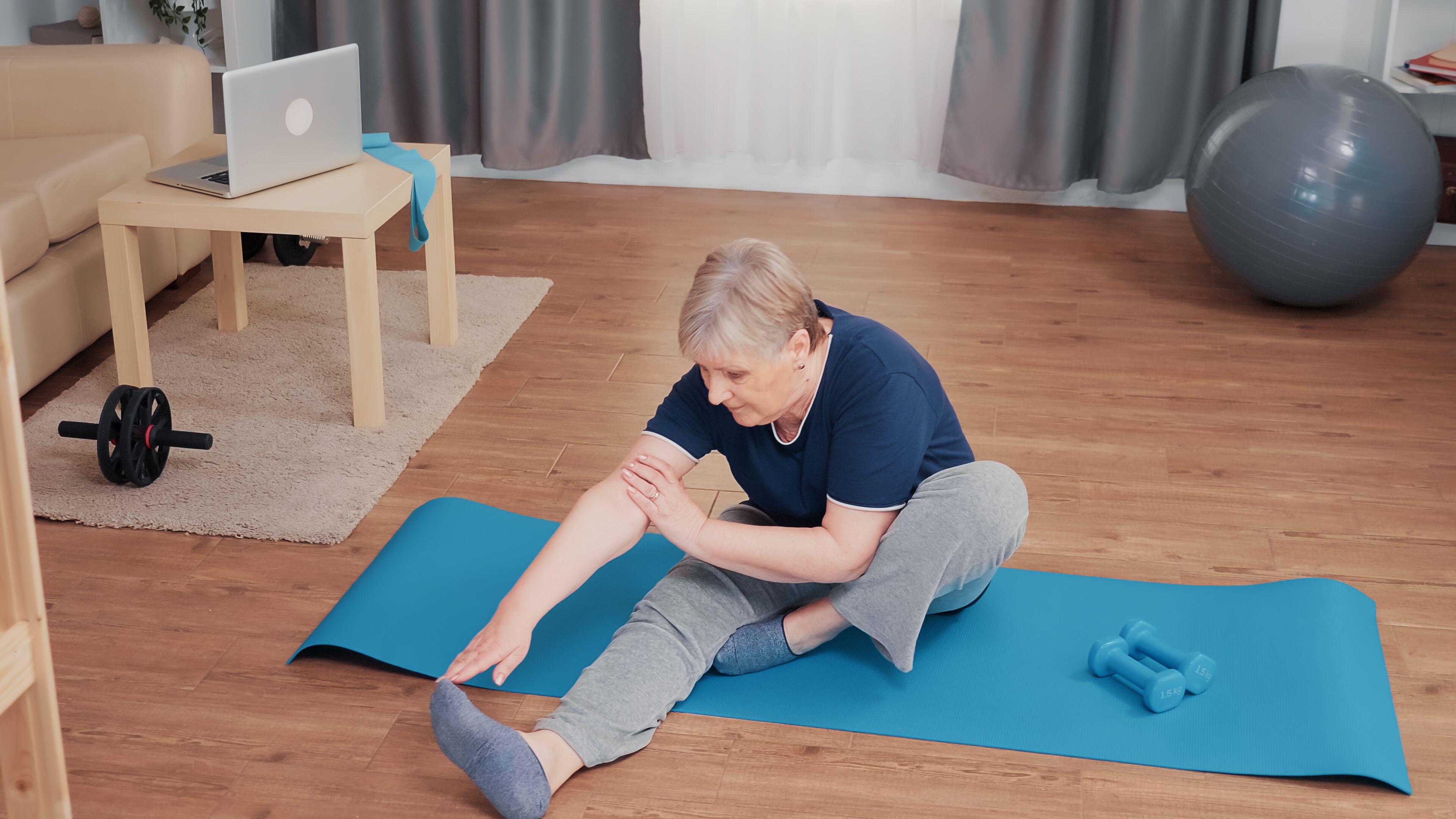 In the UK, lack of activity is associated with one in six deaths and is estimated to cost £7.4 billion a year (Alamy/PA)
“Health and care professionals have an important role in encouraging and supporting people to include physical activity in the management of their health.”
The study called for more “social prescribing” to patients of exercise such as yoga and swimming, and removing the “policy, funding and accountability barriers that have led to inactivity being designed into daily life, particularly for older people…
“This includes local action to remedy poorly paved streets, unsafe crossings and a lack of toilets and seating, combined with national transport and planning decisions that make moving easier.”
The Care Quality Commission should also be charged with checking that exercise programmes are being provided to residents in care homes, the report said.
In the UK, chief medical officers recommend older people should aim to accumulate 150 minutes of moderate intensity aerobic activity a week and do activities aimed at improving or maintaining muscle strength, balance and flexibility at least twice a week.
Figures suggest that 44% of people aged 75 and over are doing less than 30 minutes of moderate physical activity per week.
The MPs said a greater focus on exercise will be fundamental to the Government’s objective of switching the NHS’s focus from treating illness to preventing it.
Health and Social Care Committee chairwoman Layla Moran said: “Healthcare experts and the Government are all agreed that staying physically active can help older people to live not just longer, but healthier, happier, more sociable lives.
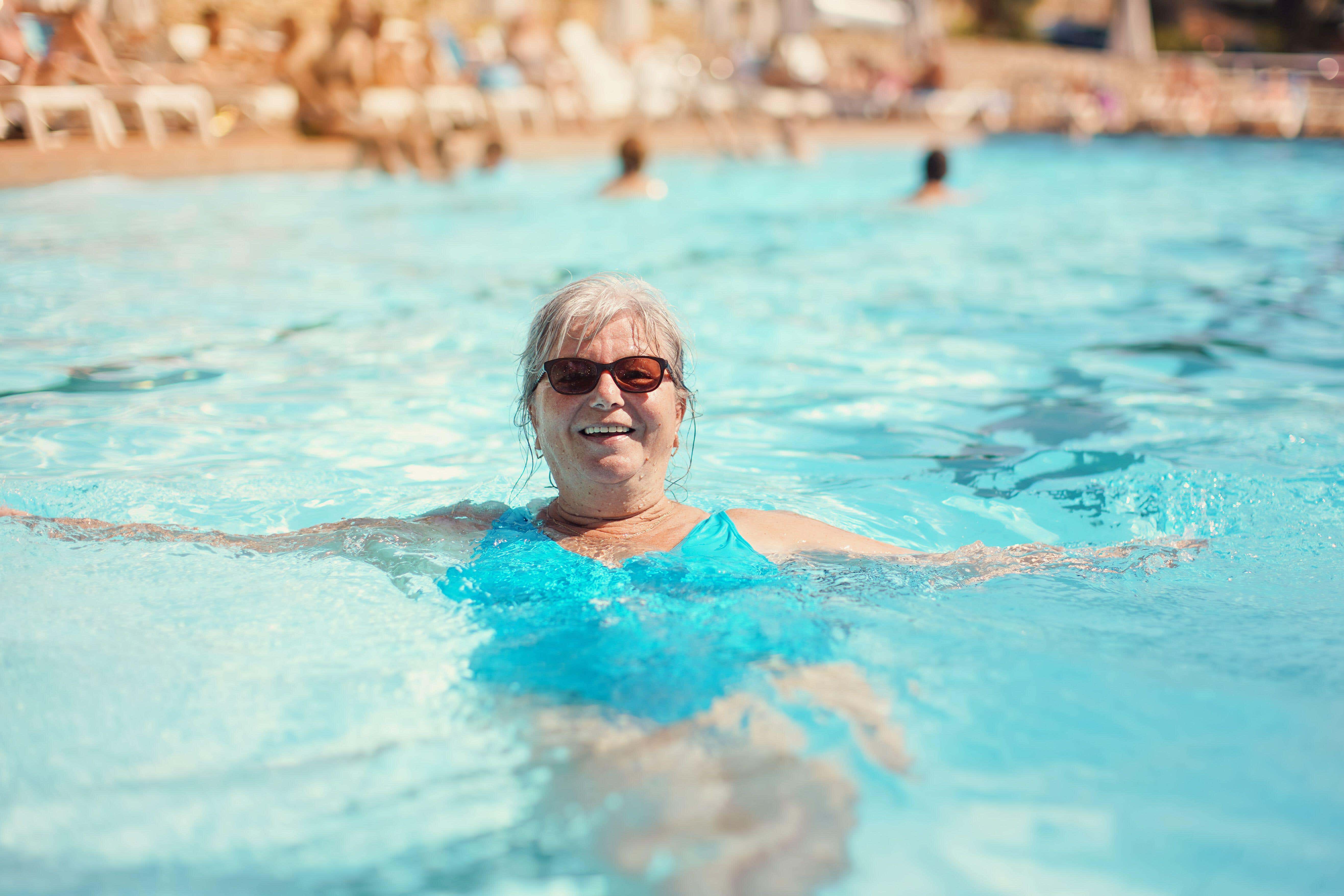 Figures suggest that 44% of people aged 75 and over are doing less than 30 minutes of moderate physical activity per week (Alamy/PA)
“Promoting active lifestyles among older people would also tackle two policy objectives at once – shifting the NHS’s focus to prevention, and bringing services closer to home, not the nearest hospital.
“Experts told us that exercise can be more effective than medication, and these changes would also cut the NHS’s vast expenditure on drugs. It’s a win-win, and this report sets out how the Government can make it happen.
“We have set out practical recommendations for ministers to rethink how the NHS and social care services help older people, from training for GPs to help individuals make their own healthy choices, to greater accountability in care homes and making our public spaces more accessible.
“As a growing proportion of society becomes older, we need to have a national conversation and a generational change in attitudes towards ageing.
“Assumptions that elderly people are left to fade away quietly lead to harmful behaviours that cause unnecessary suffering for individuals and their families. These retrograde ideas must be upended.”
Caroline Abrahams, charity director at Age UK, said: “This excellent new report should be a wake-up call for us all about how being physically active can help us to age well – an important message that we at Age UK are also promoting through our Act Now to Age Better campaign.
“We hope the report also jogs national and local policymakers into recognising that there is a lot more they can and should be doing to make it easier for older people to keep moving, as a natural part of their daily lives.
“As the committee rightly observes, the benefits of this for individuals and for our society are abundantly clear, so it’s high time that encouraging physical activity among people of all ages, including older people, was viewed as a top public health priority.”
Separately, Age UK published research suggesting a lack of confidence and self-perception are holding many 50 to 65-year-olds back from group activities and team sports.
Only a quarter (23%) of people over 50 said that their GP had spoken to them about exercise.