
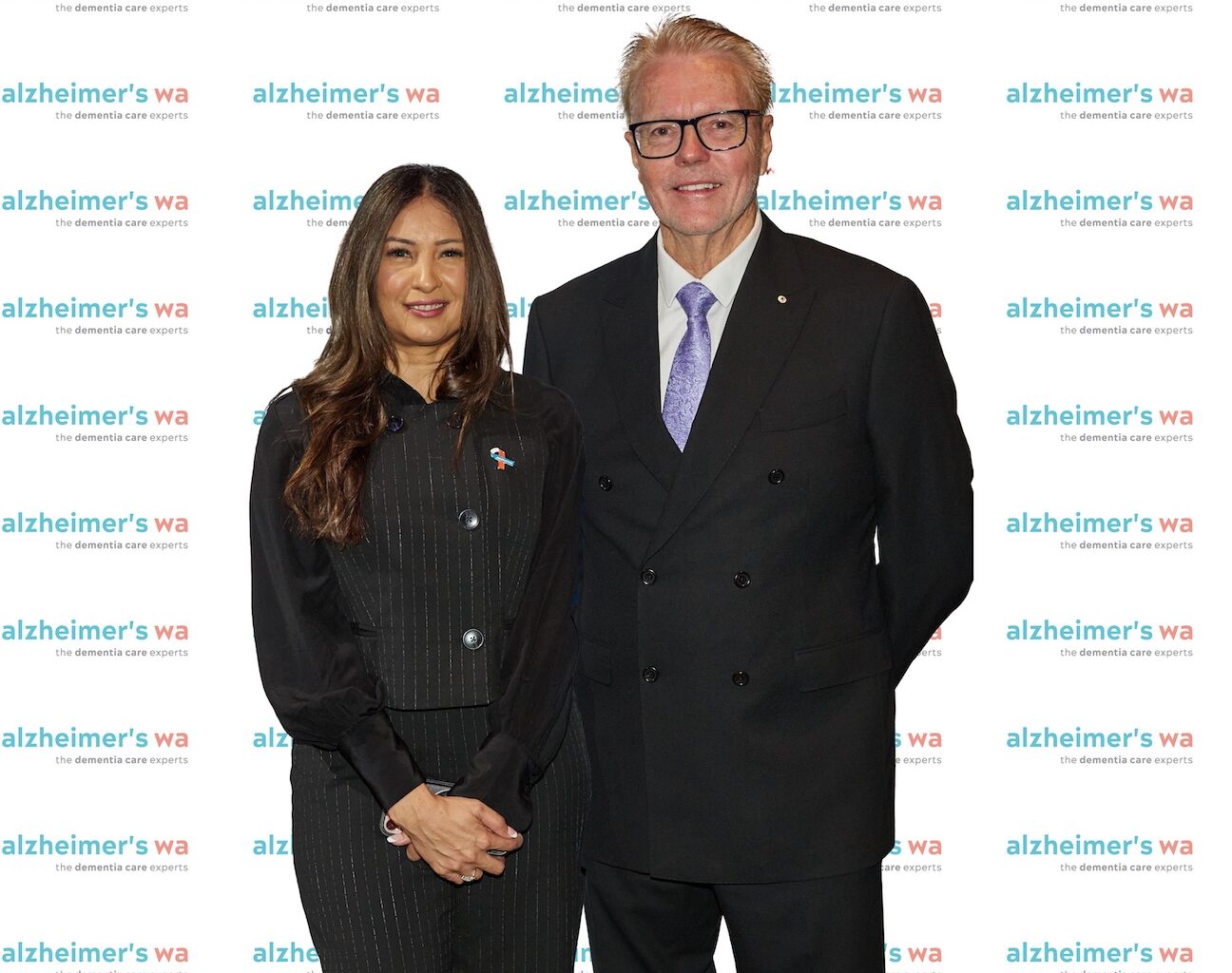
 Alzheimer’s WA CEO Ella Dachs and AM – Chair, Professor Warren Harding
Dementia is devastating, now Australia’s number one killer. In Western Australia, much is being done. Alzheimer’s WA chairman and head of research and partnerships, WA Professor Warren Harding, joins CEO Ella Dachs to tell the full story in this exclusive Have a Go News interview, part one.
Q: What are your immediate priorities in the changing landscape for dementia treatment?
Ella Dachs
Dementia is increasing in prevalence and is now the leading cause of death in Australia. This is the confronting reality for many families across Western Australia. Our mandate at Alzheimer’s WA is to make sure people feel seen, heard and supported from the moment concerns appear.
We provide timely, clear and compassionate information about care and support services and understand that early intervention matters and that no one should walk the dementia path alone.
Right now, our priority is to strengthen and expand supports that make a difference, offering quality, person-centred and evidence-based services, practical assistance and respite, whether for a few hours a day or overnight, to enable families and people living with dementia to find the care they desperately need.
Above all, we believe in empowering people to age in place with dignity, respect and connection to the communities they love.
Professor Warren Harding
From a research and system perspective, the greatest global focus is on earlier detection. There is no cure, and newer monoclonal antibody therapies have limited application, making early identification of cognitive impairment essential.
Alzheimer’s WA is collaborating with research and industry partners on innovative early-detection approaches, including AI-enabled eye and pupil light response assessments.
A study at Osborne Park Memory Clinic demonstrated over 90 per cent correlation with mild cognitive impairment and Alzheimer’s disease – a very promising development.
Earlier detection allows people to address the 14 known lifestyle risk factors, such as diet, exercise, hearing impairment, stress and alcohol use, which may alter disease trajectory. Research, policy alignment and government partnerships are vital to translating these breakthroughs into real-world impact.
Q: Does Western Australia have different priorities or targets to other States?
Professor Harding
Alzheimer’s WA has been working closely with the WA Government to create the first State Dementia Action Plan which highlights specific needs of such a large State and the importance of good health for first nations communities.
The plan announced in 2025 is focused on awareness, care communication, dementia designed/enabled environment in hospitals and the training of acute nurses and clinical staff in WA public hospitals.
Alzheimer’s WA is developing the training courses for nurses, about to be launched.
Ella Dachs
While our goals echo national priorities, earlier diagnosis, improved post-diagnostic support, carer respite and equitable access to care, WA does require a different approach.
Our State’s vast distances, remote communities and stretched workforce mean families feel isolated when they need help the most.
We prioritise outreach and regional capacity-building, to bring culturally safe, practical dementia care and support services to every corner of WA.
Most recently we opened an overnight respite cottage in the Great Southern Region for couples’ respite.
We will continue to press urgently for the resources and partnerships needed so every West Australian can access timely, dignified support, no matter where they call home.
Q: Is Alzheimer’s WA well-resourced?
Ella Dachs
Given the rising prevalence of dementia, the needs of the existing 48,000 West Australians living with dementia and equally important, the 200,000 carers, family and next of kin also impacted, funding is stretched and there is so much more to do given a new diagnosis every six minutes.
We are deeply committed and experienced in dementia care and support services and have for over 40 years provided education, advocacy a training and support.
Every day our staff and volunteers give all they can to support West Australians.
But honestly, demand is outpacing funding and this places constraints on the workforce we currently have.
We depend on a delicate mix of government support, philanthropy and community generosity to ensure people living with dementia and their families get the timely, compassionate care they deserve.
We need steadier, increased investment and stronger partnerships across health, aged care and volunteers in community sectors.
Professor Harding
The introduction of the Support at Home program has created substantial operational challenges for providers, including system upgrades, workforce training and client education around complex funding models.
The proposed client co-contributions have not fully materialised, placing financial strain on services and potentially increasing health risks if supports are reduced. Sustainable funding reform is essential to protect care quality.
Stay tuned for Part Two in June…Dealing with dementia rates in WA’s growing population. Communicating change to people diagnosed, their carers and families. First steps to take after memory issues. Importance of a well-informed public.