
Financing delays could undercut Australia’s refreshed security ambitions, with experts warning a stagnant workforce remains defence’s critical weakness.
Australia faces what has been widely touted one of the most threatening periods of world politics – the government has vowed to approach it with increased spending and a renewed defensive strategy.
However, Australian Strategic Policy Institute (ASPI) defence strategy director Mark Hughes believes the key workforce faultline remains unresolved by the National Defence Strategy (NDS) and recent budget.
Mr Hughes labelled defence’s staffing issues the “one central concern that permeates all of them”.
“We do think we’re in need of a national workforce strategy that helps situate education in particular and workforce development in support of the National Defence Strategy,” he told Sky News.
“We are concerned that we do not have a guiding hand for how our national workforce is currently allocated or invested in and that’s something we’d like to see.”
He gave credit to the government for increases in spending on the workforce of $815 million over the next financial year.
“That is the single largest line-item increase, if not the only line-item increase and that’s a good recognition on the part of the government about the criticality of workforce to all of the capabilities that we’re investing in,” he said.
In the government’s budget, spending on defence workforce jumped $815 million.
By contrast, capability acquisition fell $724 million, while sustainment was also down $283 million.
ASPI contended earlier this year that the “need to build strength in the north goes beyond uniformed numbers”.
“Australia is seeking a more distributed and scalable defence industrial base, including across northern Australia,” it wrote in February.
“A distributed defence industry demands a distributed skilled workforce, logistics specialists, engineers, technicians, planners and reservists close to bases from which operations would be launched.”
ASPI on Thursday released its review of the national budget measures for defence.
It reported the material benefit of the government’s pledged spending boost would not be felt for several years.
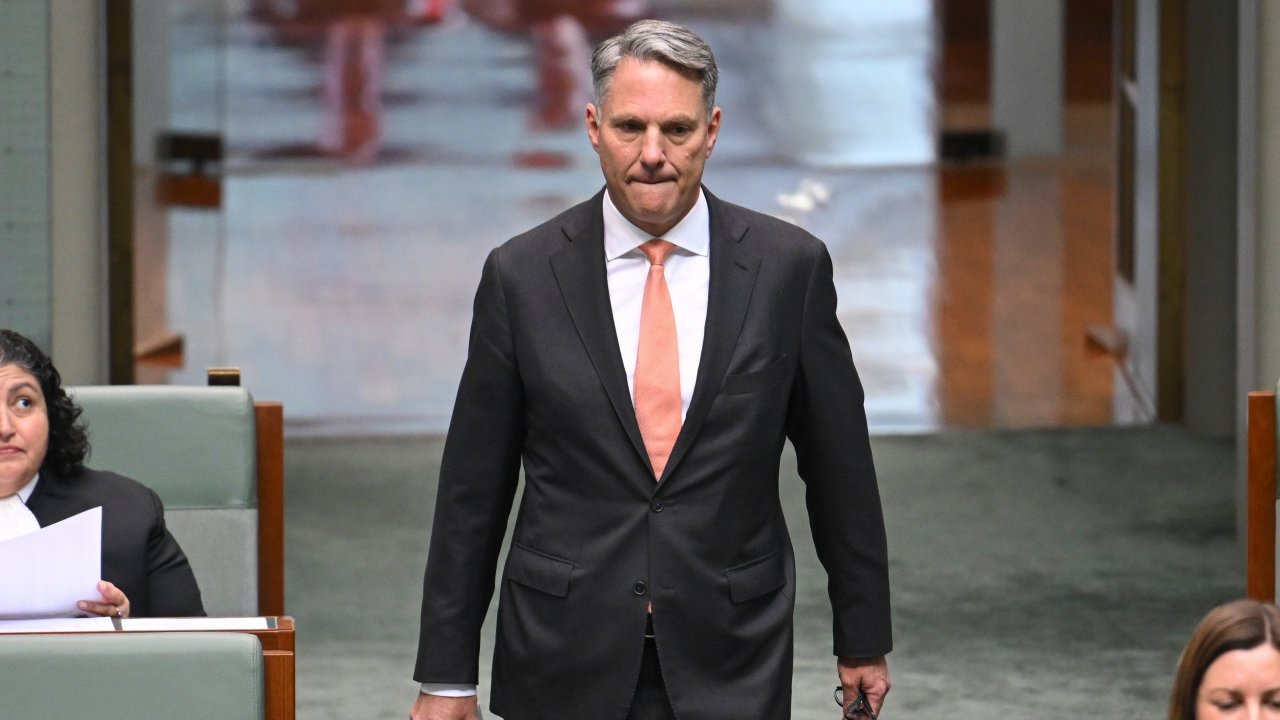
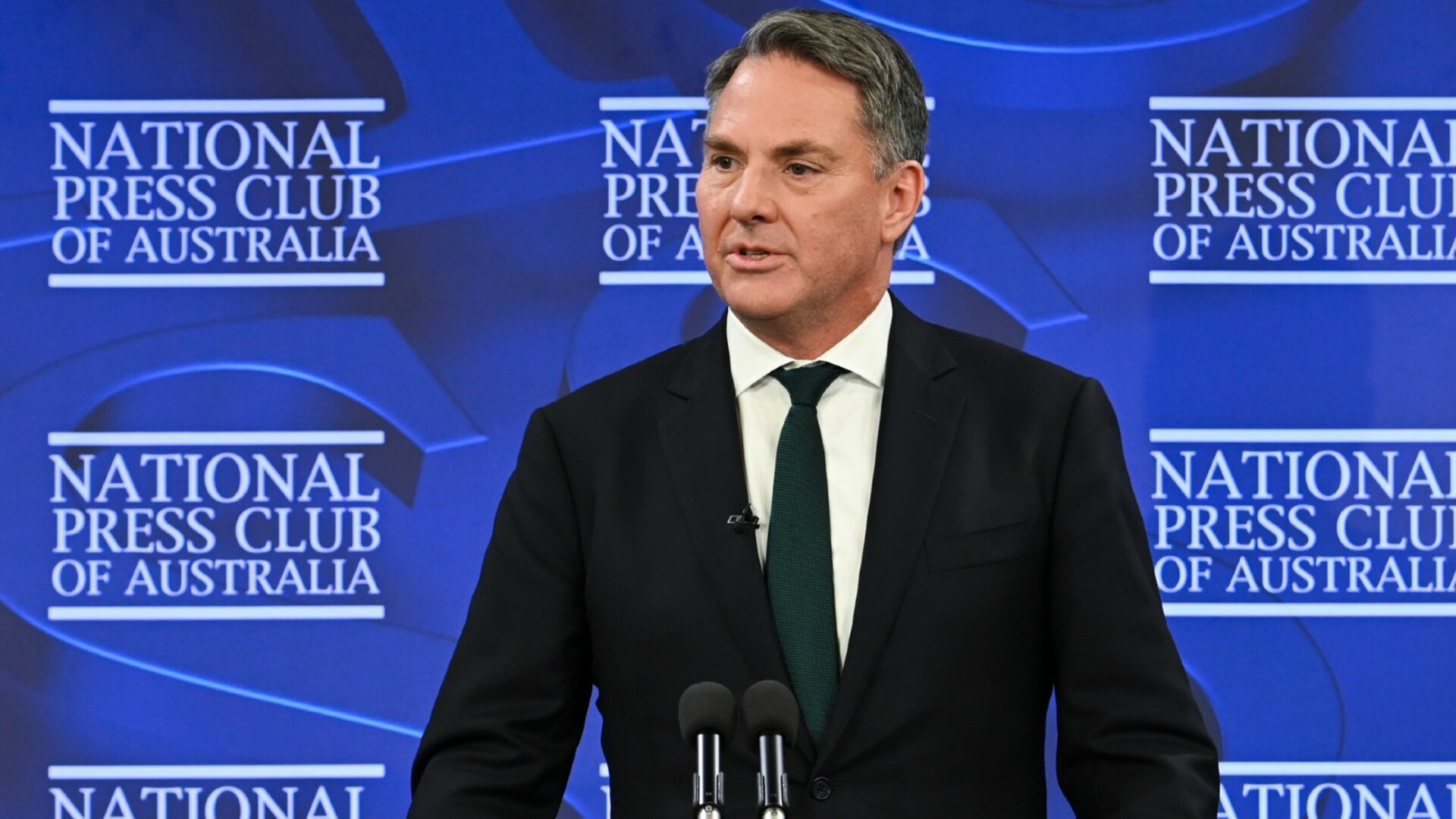
Deputy Prime Minister Richard Marles spruiked an additional $53 billion defence investment over the decade to come.
The Integrated Investment Program (IIP), which comes alongside the NDS 2026, included defence spending of $14 billion over the forward estimates and $53 billion over the next decade.
However, only four cents to the dollar of that $53 billion kitty has been approved for spending in the next financial year.
The remaining 96 per cent of the spend lay in forward estimates promises.
It equates to a dip in whole-of-government spending of about $799 million in nominal terms for the next year before growth picks up in 2027-28.
Mr Hughes said the institute held concerns that the government’s spending would not land until Australia was in the midst of potential conflict.
“The government is currently investing in a massive transformation of the Australian defence force – a lot of those high-end capabilities… we can’t buy those overnight,” he said.
“However, the government’s own strategy… correctly identifies we’re living in a strategic environment where the word ‘deterioration’ is no longer fit to describe it and the most dangerous period for us is indeed the 2030s.
“We have some concern that most of the spending that the government is currently spruiking isn’t going to land until the very dangerous period that the government is talking about.”
Speaking to Sky News on Thursday, shadow defence minister James Paterson criticised Labor over its defence spending.
“ASPI has blown just another hole in Richard Marles’ spin when it comes to the defence budget,” he said.
“If Richard Marles is serious about the strategic environment that we face, the dangers that we face as a country, he should match his rhetoric with reality and actually fund the ADF how they need to be funded.”
Senate Estimates on Wednesday night revealed financing arrangements for an additional defence spend were incomplete.
Under questioning from Senator Dave Sharma, Finance Minister Katy Gallagher conceded decisions around public versus alternative financing – including private equity – had not been made.
“When it says alternative financing, that’s different to regular defence funding like on the budget… and there could also be private capital?” Mr Sharma asked.
Ms Gallagher responded, “there could be”.
“None of those decisions have been finalised,” she said.
In announcing the IIP and NDS plans in April, Mr Marles said Australia had to prepare for a “much more contested environment”.
“We will accelerate the introduction of air and missile defence capabilities, including new investment in a medium-range, ground-based air defence system, recognising the increasingly contested air and missile environment,” Mr Marles said.
He also suggested a wish to tighten Australia’s sea defences.
“As an island trading nation our sea lines of communication literally define our national security… the geography of our national security lies well beyond our coastline or even our immediate waters,” he said.
“We therefore need a defence force that can be out there: that can engage in impactful projection.”
The government claimed the spend accounted for three per cent of the nation’s GDP, in line with American requests, but faced criticism for using new definitions to reach the figure.
At the recent budget reveal, Commonwealth Treasurer Jim Chalmers folded defence into his “resilience and reform” pitch.
The institute on Thursday lay down three key conclusions.
“First, we believe that funding present-day preparedness is important,” it said.
“Second, we would argue for pushing forward the defence delivery reforms scheduled for 2027–28 with full institutional weight.
“Third, the government should publish the formula for calculating the NATO-like funding methodology.
“The story that Australia is telling allies is weaker than the story Australia can actually tell.”