
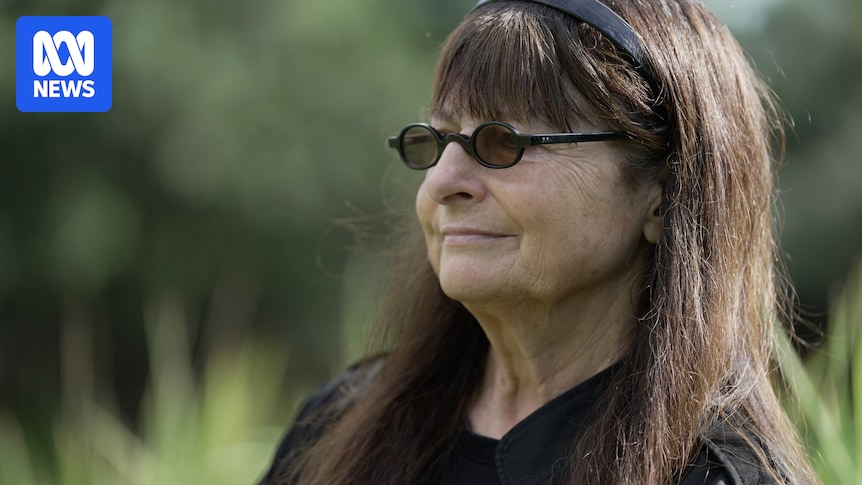
One night after a networking event in Sydney, Jane Turner was walking along her street, trying to head home.
But there was a problem — she couldn’t remember where her home was.
A taxi had dropped her off a few hundred metres from her apartment, but she became lost.
“I could not orientate myself for love nor money. I did a circle on the spot and then walked the wrong direction for 15 minutes,” she said.
Getting lost in familiar places is something Jane, 63, is trying to take in her stride after being diagnosed with early-onset Alzheimer’s Disease last year.
The diagnosis felt like a sucker punch for the author, and it set off a maelstrom of shock, anger and shame.
“The first thing I thought was, ‘What do I say to people about this?'”
She also realised she had ignored some of the earliest signs.
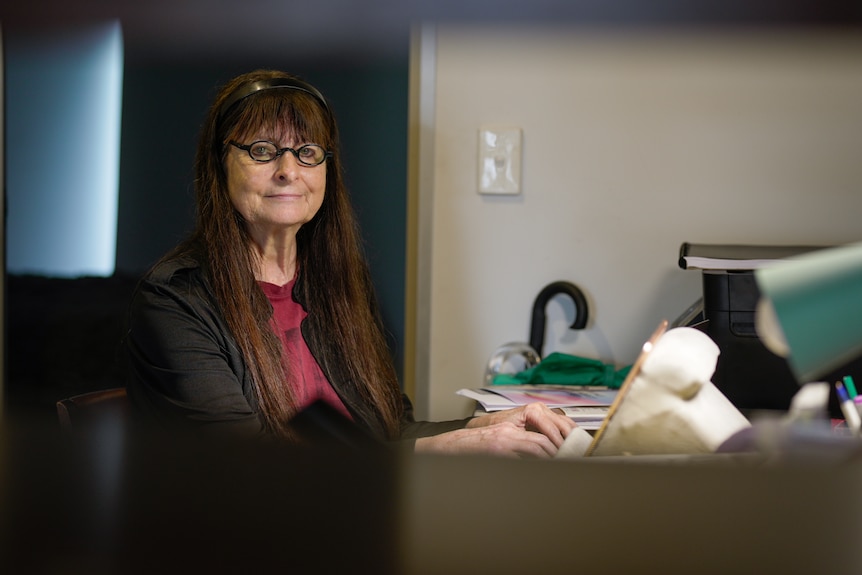
Jane Turner says she didn’t think her symptoms were a sign of anything serious. (ABC News: Billy Cooper)
“I put some of the tiredness and vagueness down to just being too busy … I used to be a compulsive worker,” she said.
“I had a couple of falls, and I wrote those off … I didn’t make the connection that the falls were balance issues.”
Jane feels like things could have turned out differently if she had known more about the early signs of dementia and how specific choices over the course of a lifetime can alter someone’s risk.
“If I had been told to check my brain half as often as I’d been told to check my breasts, I could be in a very different situation.
“The statistic that really knocked me for six was when I found out that dementia is the number one killer of women in Australia.”
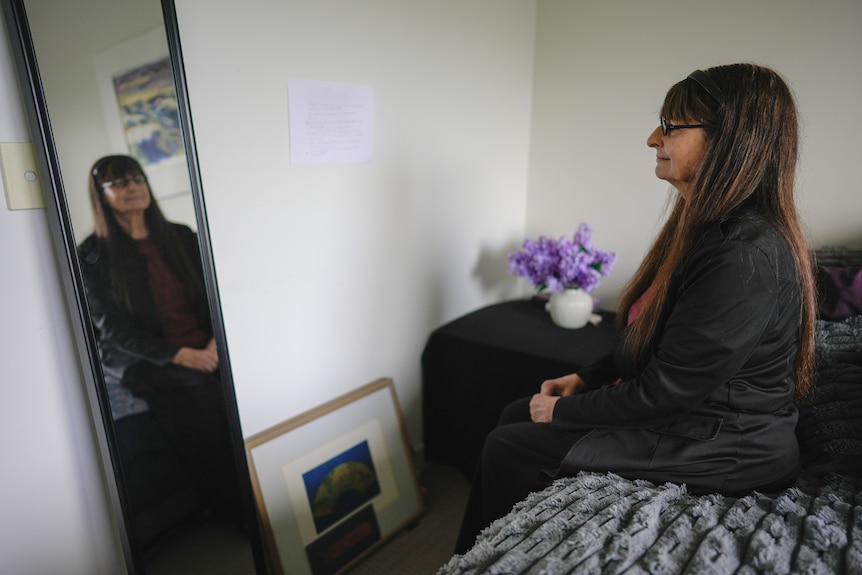
Jane Turner wishes she knew the early warning signs of dementia sooner. (ABC News: Billy Cooper)
However, a new national survey by leading women’s health organisation Jean Hailes found only one in six Australian women know this.
Beyond that, of the 3,000 women surveyed, less than half knew that maintaining a healthy lifestyle reduced their risk of developing the most common forms of dementia, like Alzheimer’s and vascular dementia.
CEO of Jean Hailes, Dr Sarah White, said the results were “startling” and suggested that too many people still see dementia as an inevitable part of ageing.
“This group of diseases are killing Australians and causing a huge amount of grief in our society … and normally we say a knowledge gap is terrible, but actually I think these findings give us a really great opportunity,” she said.
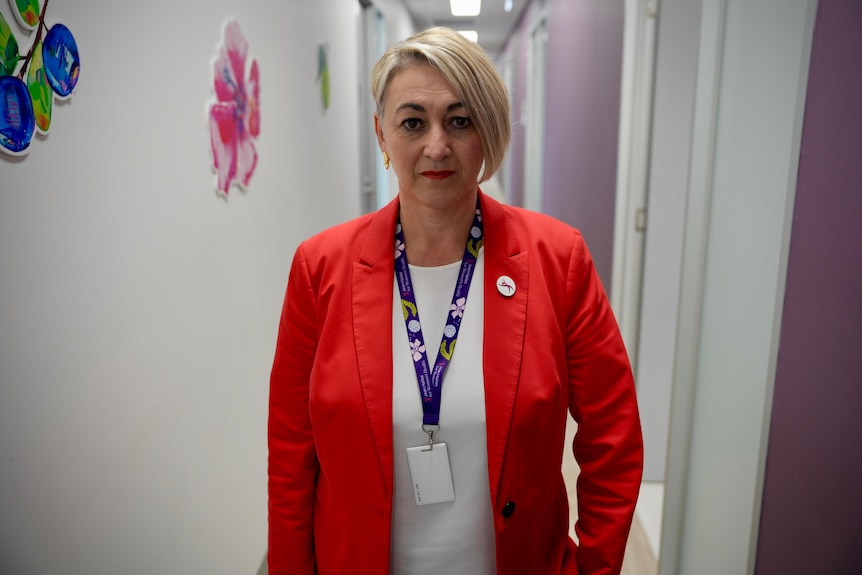
Dr Sarah White, CEO of Jean Hailes. (ABC News: Simon Tucci)
Prevention is possible
A recent landmark research collaboration found there were 14 modifiable risk factors for dementia, which, if addressed, could potentially prevent around 45 per cent of cases worldwide.
The risk factors include high cholesterol, social isolation and untreated vision loss, and many must be tackled in midlife.
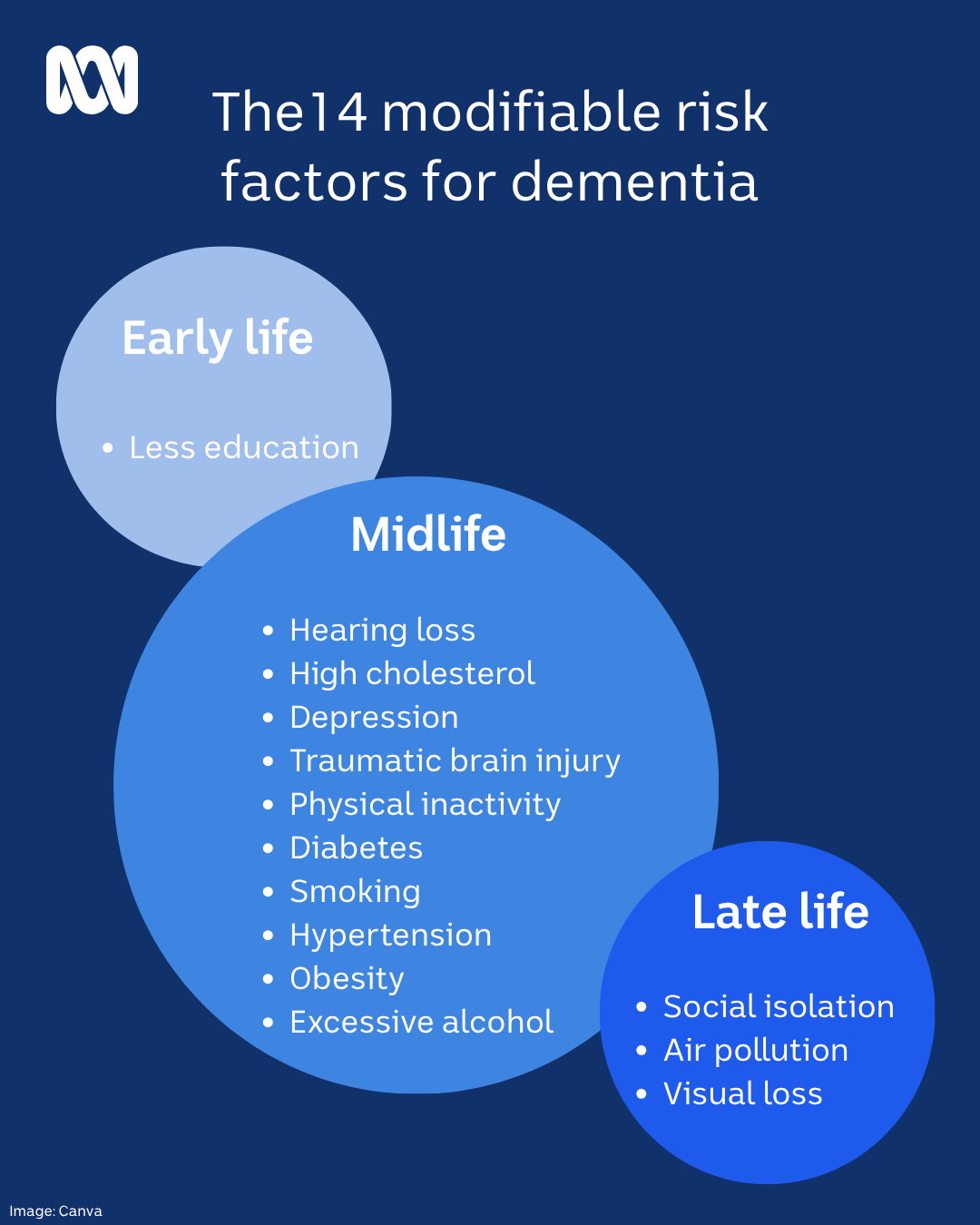
(Supplied)
The findings, published in prestigious medical journal The Lancet, were described as “hopeful” and concluded that risk could be reduced even in those with an increased genetic risk of dementia.
“Prevention is possible,” the study concluded.
The only problem is that not enough people know this, according to Henry Brodaty, one of the foremost experts on the condition and the co-director of the Centre for Healthy Brain Ageing.
“People need to be aware that they can take control of their brain health and do it now, not wait,” he said.
By addressing the 14 risk factors, “cognitive reserve” — the brain’s ability to cope with damage or disease and find alternative ways of doing things — can be improved.
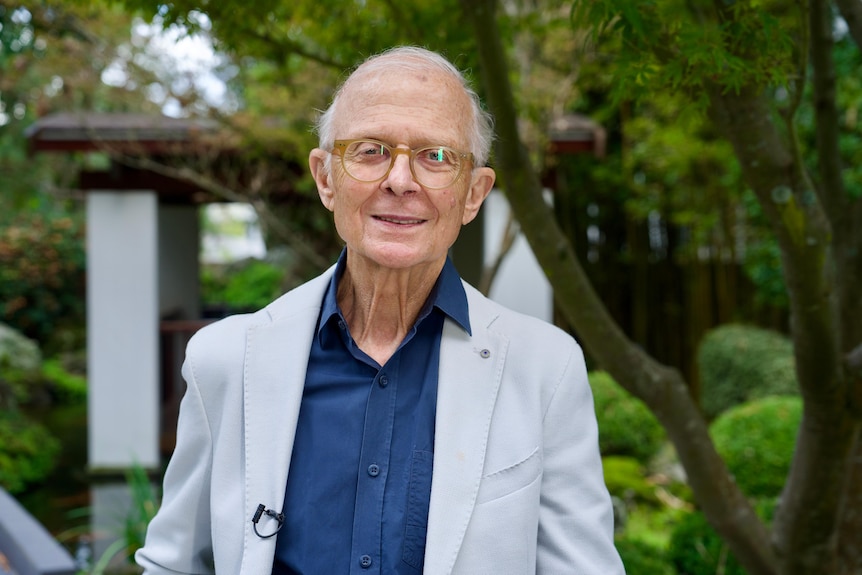
Professor Henry Brodaty, is the co-director of the Centre for Healthy Brain Ageing. (ABC News: Christ Taylor)
Cognitive reserve can be amplified over the course of someone’s life through novel tasks, which are mentally challenging as well as socially rich experiences.
Examples include learning a new language in a group or taking part in community volunteering, both of which require social interaction and problem-solving.
Studies also suggested that people with mentally demanding jobs in their 30s to 60s have lower rates of mild cognitive impairment later in life.
Exercise is another powerful protector as it supports blood flow and oxygen supply to the brain and can counter depression. Studies have shown that physical inactivity is associated with the accelerated build-up of tau proteins in the brain, which is a hallmark of dementia.
Researchers say some of the best ways to address the other 14 risk factors include:
Limiting exposure to unsafe noise levels and seeking timely access to hearing aidsWearing head protection when engaging in high-risk physical activityTreating obesity, diabetes and high cholesterol as early as possibleUndergoing cataract surgery as requiredReducing exposure to air pollution where possible
However, just because someone has been diagnosed with dementia, it does not mean they have failed to live a healthy life.
“Although 45 per cent of risk is environmental, 55 per cent is not,” Professor Brodaty said.
Government considers national brain campaign
Professor Brodaty, whose father died from dementia at age 59, has made it his mission to make sure more people know they have some power over their cognitive longevity.
“People think more about their hair than what’s underneath … we need the ‘slip, slop, slap’ of brain health,” he said in his Senior Australian of the Year acceptance speech in January.
He believes Australia’s messaging on prevention has been weak, and a national awareness campaign is needed.
“If we don’t do something, we’re going to be in trouble,” he said.
The personal and systematic burden of dementia is immense — there are now almost half a million Australians living with dementia, with around 100,000 unpaid carers providing support, the majority of whom are women.
By 2065, the number of people with dementia is projected to increase to over 1 million, which will put an already groaning aged care system under unimaginable pressure.
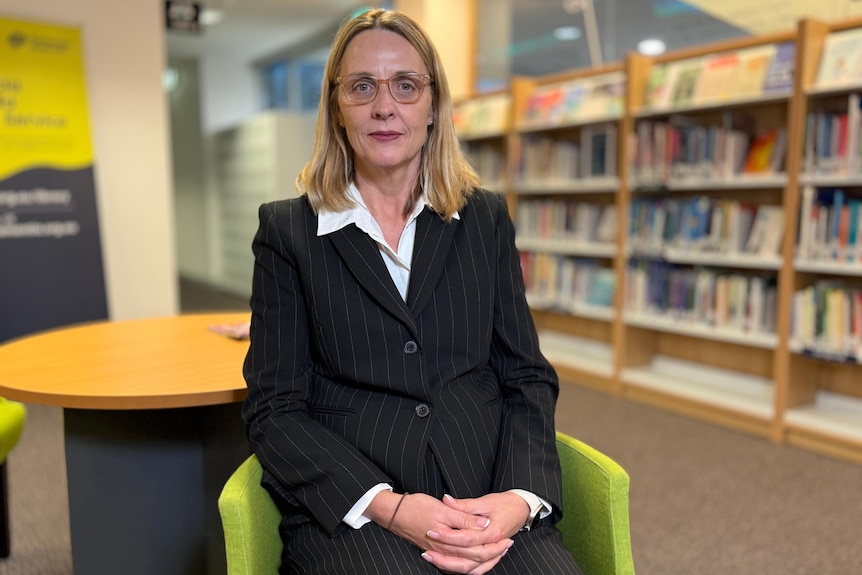
Professor Tanya Buchannan, CEO of Dementia Australia. (ABC News: Billy Draper)
Dementia Australia has been calling for a national campaign for the last three years, and in a recent budget submission to the government, the organisation estimated it would cost $70 million over four years, with a return on investment of around $200 million over 10 years.
“[We want to] look into the future … and see that we have reduced the number of people who have gone on to develop dementia or we’ve really significantly delayed their dementia where we can,” CEO Profesor Tanya Buchanan said.
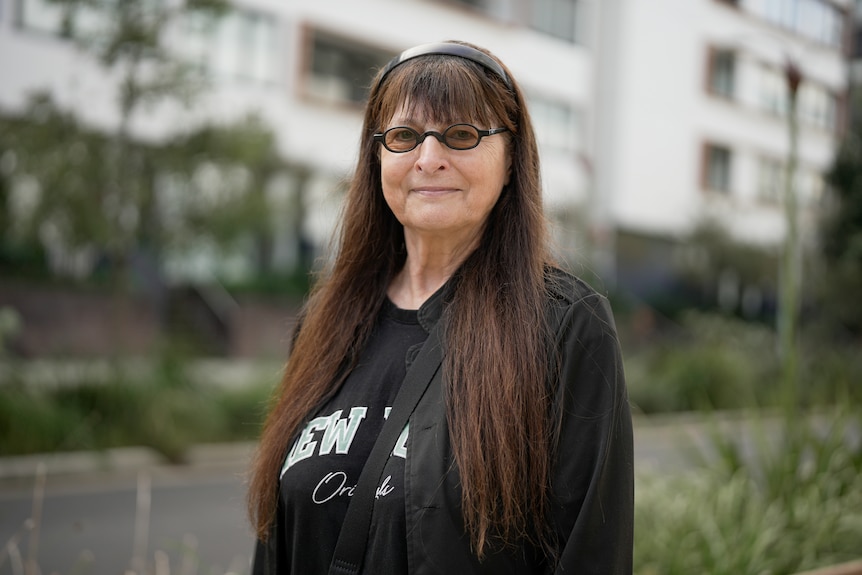
Jane Turner says every day is a gift. (ABC News: Billy Cooper)
Health Minister Mark Butler told the ABC that the government was considering a national campaign but couldn’t make any commitments.
“I’d really like to see something roll out soon,” he said.
Mr Butler said campaigns on heart health and diabetes already target many of the same risk factors, but he acknowledged expert opinion that a specific brain-focused campaign would be more effective.
“You’re targeting people in midlife rather than people on the front line of dementia in older age so I think we will have to think carefully about what messages will work.
“We will have more to say about that in the future.”
Mr Butler said the government was committed to the aims of the 2024-2034 National Dementia Plan, which, for the first three years, focuses specifically on improving awareness of preventive actions.
Today, the government announced a $22.9 million boost to dementia research through the Medical Research Future Fund, with eight grants approved for work on prevention, early diagnosis and treatment.
Three million dollars will go towards progressing Professor Brodaty’s pioneering “Maintain Your Brain” program, which is the largest internet-based trial to prevent cognitive decline.
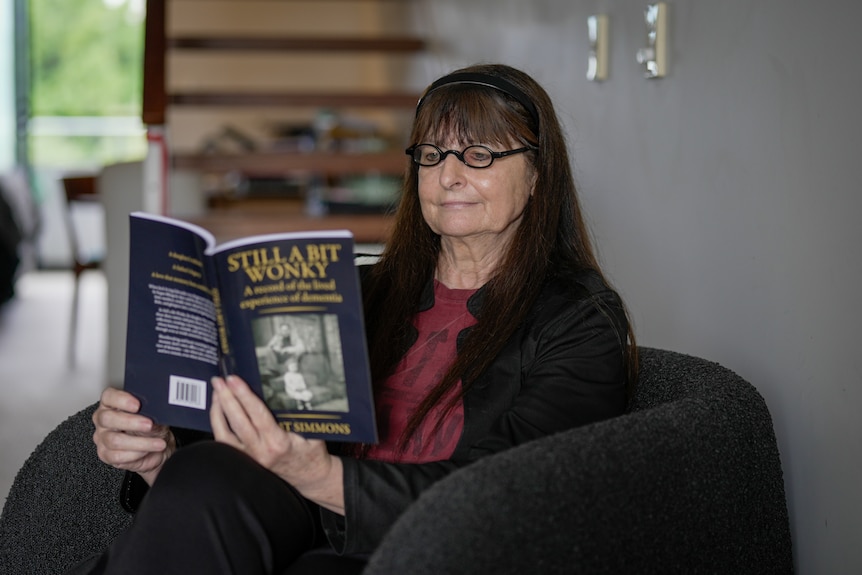
Jane Turner tries to keep working as much as she can. (ABC News: Billy Cooper)
Another almost $1 million will expand a multilingual dementia program that supports culturally diverse people with dementia.
For Jane Turner, life goes on as she continues to run her business, mentoring other authors by maximising the few hours each day when she has a steady level of energy.
“I don’t want to be Pollyanna-ish about it, but every day’s a gift and the quality of my life is good. I can still mingle with people, I can still have conversations, I can exist in a strangely more peaceful place than I’ve ever been in my life… don’t feel sorry for me, there’s no need to.
“I smile because I’m ok now, even though I’m not quite sure what my future looks like.”
If this story has prompted any questions or concerns, please call the National Dementia Helpline 1800 100 500 (24 hours, 7 days a week) or visit dementia.org.au.