
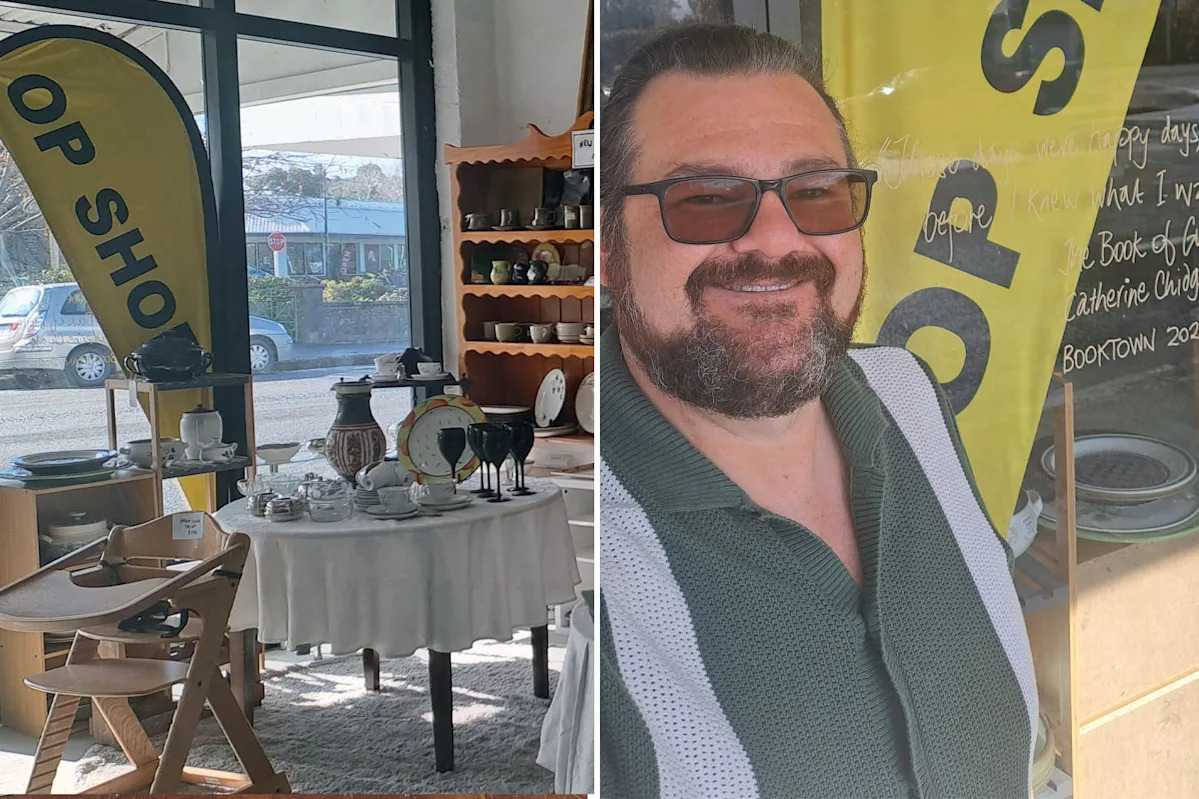
Having visited “hundreds” of op shops across Australia and New Zealand, Ritchie Wards considers himself a pro at nabbing a bargain. But nowadays, bargains are getting harder to come by.
It was something he noticed when visiting Perth recently from New Zealand while stopping by various charity stores across the city.
He said he was “surprised by the high prices” of items he used to get for cheap, including “basics” like shoes and clothing. Up until two years ago he said “you could get these things for $5.”
City op shops are overpriced, rural towns are still cheap
Ritchie lives in Featherston, a rural town about an hour outside of Wellington. There, op shop prices “are still overall cheap” he told Yahoo News.
“They are run by local volunteers, who know the community. They will often give local families a good discount,” he said.
But in Australia, particularly in the cities — and even in cities across New Zealand — prices have “gone up significantly”.
Have you noticed a change in op shops in recent years? Contact newsroomau@yahoonews.com
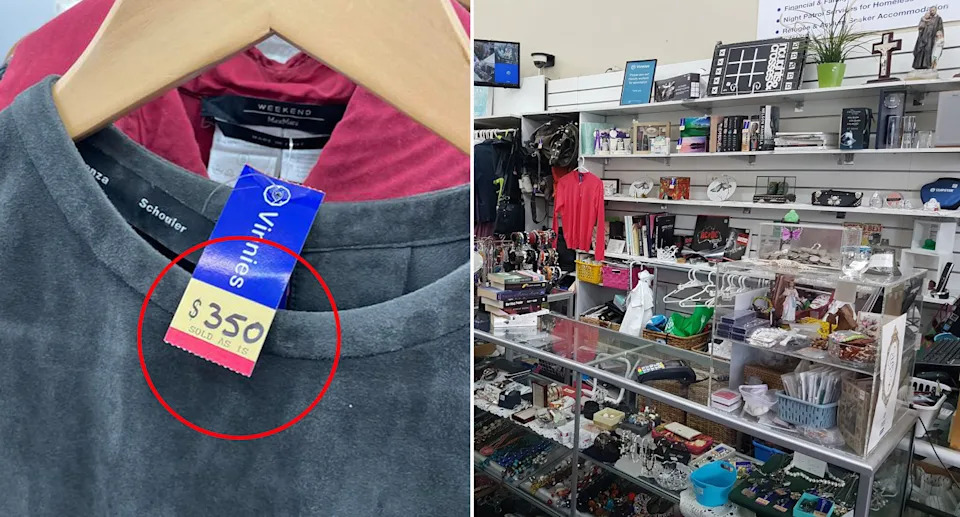
A designer T-shirt was previously spotted at a Sydney Vinnies store priced at $350.
“These shops are no longer the cheap place for lower-income families to get a step up in life,” he added.
He thinks the issue is most apparent with the large charities, including Vinnies and Salvos, or Sallies in New Zealand.
RELATED
“They’re collecting for their national charities, rather than their local community,” he said.
Plus, the closer to a tourist attraction or city centre, “the higher the prices,” he added.
“The more rural or in lower socio-economic areas, the cheaper and more affordable.”
Are resellers the reason why op shop prices are high?
During his latest visit to Australia, Ritchie visited 15 or so stores across Perth.
He agrees with scores of others who say charity shop prices are now “on par with bargain brand shops” including Kmart.
He also agrees that resellers have contributed to higher prices in-store. He’s even dabbled in it himself.
“It was great fun,” he said.
“But I find many second-hand shops these days don’t like people buying items and then reselling them for a profit, as they want the profit for themselves,” he explained.
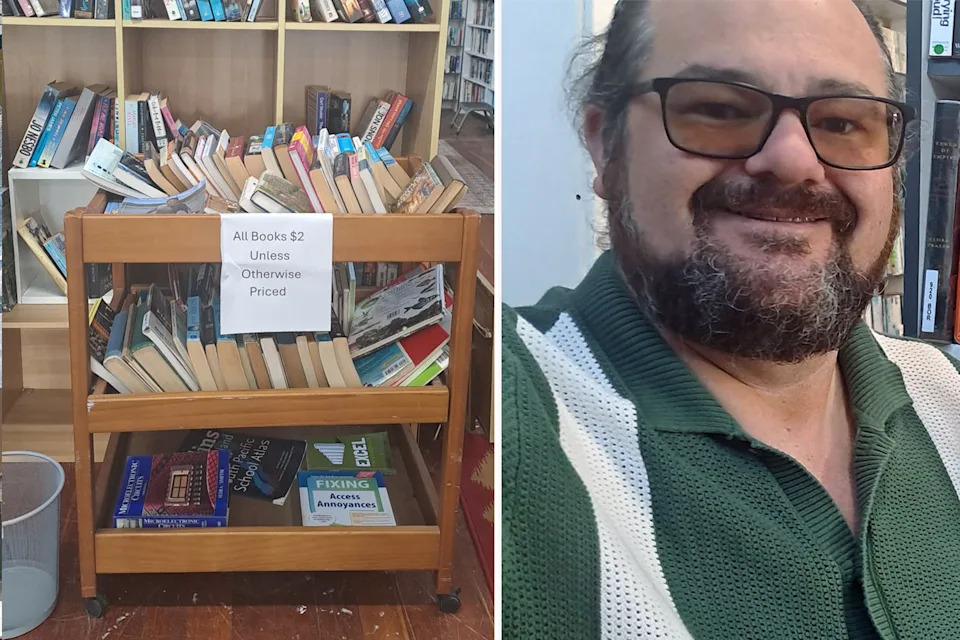
Ritchie says prices in smaller community-run op shops are still reasonable, but bigger chains are no longer affordable.
Vinnies NSW recently told Yahoo they’ve noticed a change in their customer base in recent years.
“We have been increasingly improving our offerings to appeal to a growing customer base of younger, more environmentally, socially and ethically conscious buyers who want to shop second-hand and see the proceeds of their purchases and donations help those in need,” they said.
They also noted that “pricing in Vinnies NSW shops is determined by affordability for customers as well as the quality of the goods on sale.”
Aussies notice significantly higher prices in op shops
In recent years, frustrated Aussies have hit out at prices of some branded items, often comparable to buying new online.
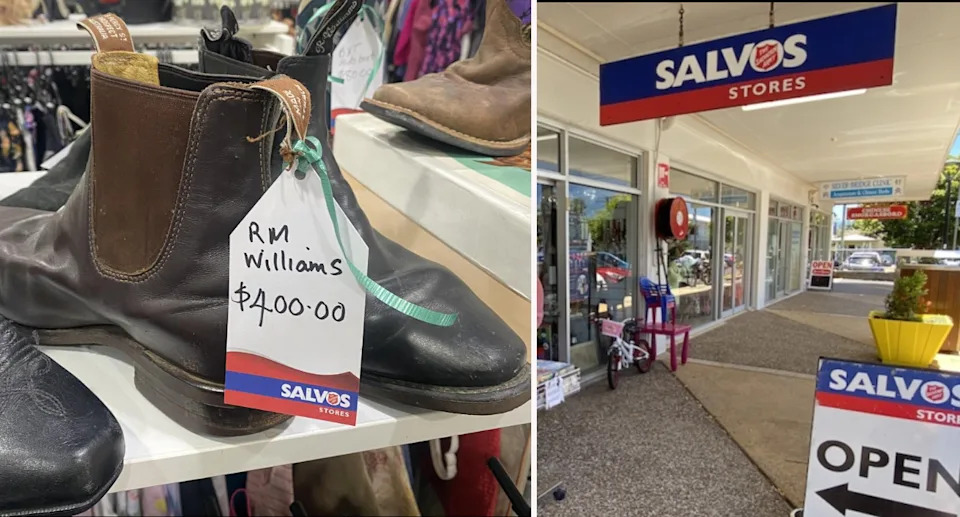
A pair of pre-loved R.M. Williams boots were being sold in a Salvos store for $400.
In Ritchie’s experience, there’s always one charity shop worker per store who tends to overprice items or have “unrealistic expectations” of what something is worth.
He can say this because he’s volunteered in many and he’s seen it first-hand.
Last month a Tassie thrifter suggested op shop drop thier prices to solve the issue of oversupply across their stores.
Charitable Recycling Australia, which acts on behalf of the industry, previously explained that “charity shops will assess and sell suitable items” they receive.
“Staff and/or volunteers will price them according to what they feel is a fair price, and saleable to Australian consumers,” CEO Omer Soker told Yahoo.
You can also follow us on Facebook, Instagram, TikTok, X and YouTube.