
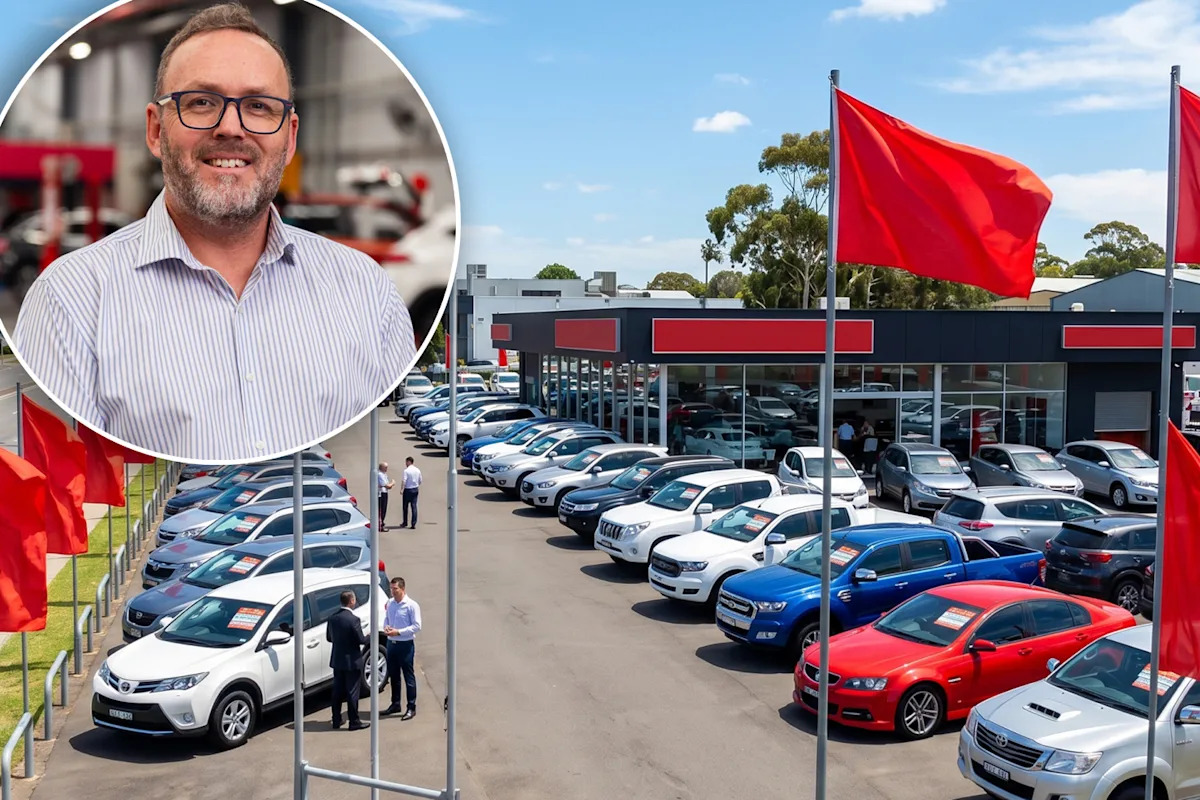
Buying a car is one of the biggest financial decisions many Australians make — and when it comes to used vehicles, getting it wrong can be an expensive mistake.
From hidden damage to suspicious sales tactics, some warning signs could end up costing buyers thousands.
“It’s a huge investment,” Peter Willis, Director of Buying at motor vehicles sales website Carma, told Yahoo News.
“Where things are at with the economy, I don’t think anyone can afford to buy bad.”
To help buyers make a smarter purchase, Peter outlined the biggest red flags to watch for before signing on the dotted line.
Unclear pricing
As part of Carma’s new Decoding Dealers report, market research was conducted and found an unsettling trend that was becoming more common inside dealerships.
Extra fees and surcharges are being added to the sale price, potentially increasing the total by hundreds of dollars.
Peter said it’s something he hadn’t seen in his 30 years in the industry, but it’s becoming “more widespread”.
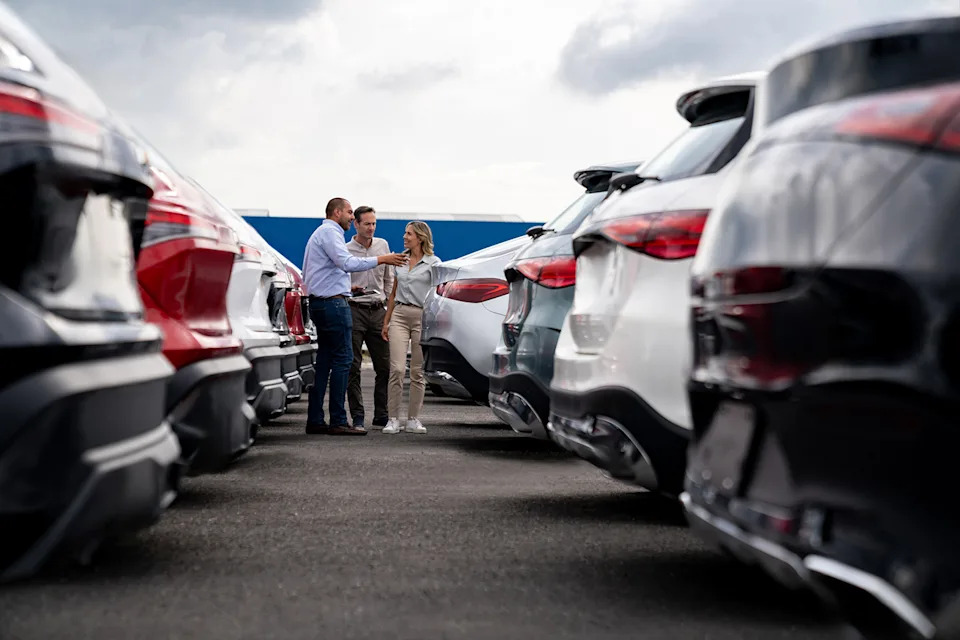
Pushy sales tactics and limited-time offers can sometimes be a sign to walk away.
(Getty)
“Quite often, sitting with a salesperson, things can be a little bit vague, there might be some negotiations, and not having that real firm clarity around what the price is,” he said.
“And then seeing things like admin fees and processing fees that seem to get thrown at people at the end.”
He warned that some cars are sold unregistered, which will then result in a registration surcharge and even an admin fee for someone to actually register the car.
Fake urgency
A common sales technique in all industries is to apply a little bit of pressure to a buyer to get them to commit.
But this is a giant red flag, Peter said.
Being told that someone else is interested in the car, or that the deal “is only for today” is likely nothing more than a tactic to score a sale.
“A trustworthy seller will be happy to work with you and make sure that you’ve made a satisfactory decision around your purchase,” he said.
Inconsistent documentation
When buying a used car, be sure to ask for all documentation.
Double-checking service history, log books, and even the VIN numbers helps to see if the purchase is solid.
“Those details can be really important to making sure you get the right car at the time,” Peter said.
Parts availability
While the issue isn’t new, many buyers don’t consider how easily parts for their car can be obtained.
“Cars that are a little niche, maybe cars that aren’t huge brands, maybe more exotic brands or prestige can often have these long leap times for parts because of the expense of the parts and people not having huge inventories of those,” Peter explained.
He added that parts shortages can even impact some of the bigger brands, and recommends buyers do their research before deciding on a car.
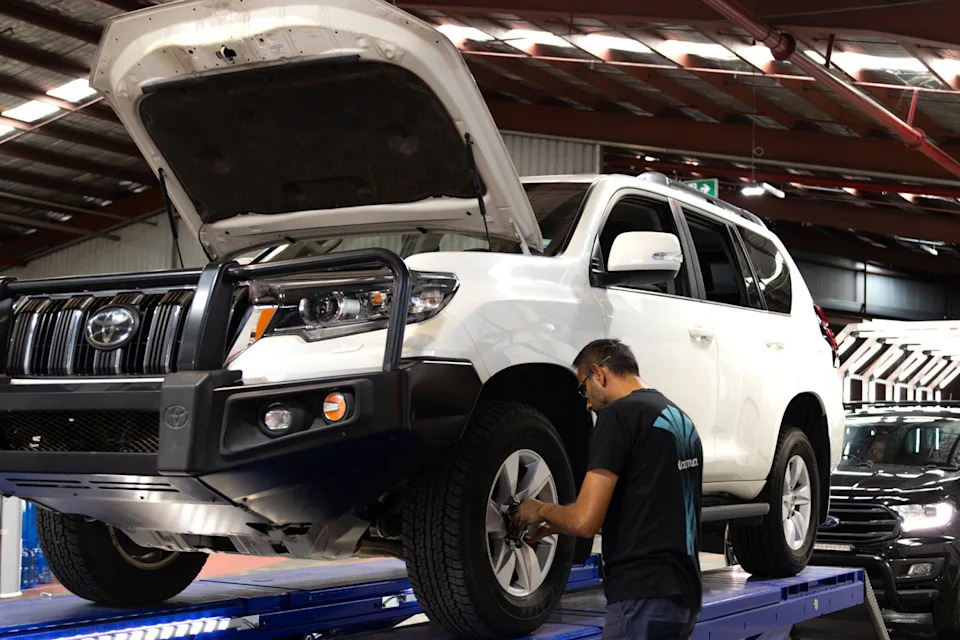
Parts availability is another area that is often overlooked by buyers.
What should you be looking for?
According to Peter, a big green flag is a seller that is transparent about all aspects of the car they’re selling, giving buyers “real confidence” going into a purchase.
A dealership that allows you to take the time to make an informed decision is also a big tick.
“If there’s a deal that’s in front of you and it’s the best deal in the world, someone will be happy to give that to you in writing,” he said.
“Anyone that’s reputable will allow the customer to make the decision that’s going to be right for them rather than forcing someone to sign on the dotted line.”
Even standard practices like test drives can give buyers a false sense of security.
Drivers should be doing a comprehensive test drive and “not just the five-minute lap around the block”, Peter said.
“One of the big selling points for Carma is the ability for people to be able to drive the car for seven days and if it doesn’t suit them, to be able to return it.”
$2 check could save you a headache
Peter recommends all buyers do their own search on the Personal Property Securities Register (PPSR) instead of solely relying on the seller’s documents.
“I think it’s $2 to check it and it’ll actually tell you if the car’s stolen, has money owing or any of those sorts of things.
“It’s always a good point to have that in your back pocket to make sure you’ve done that on your own and not allowed someone else to put one in front of you and said, ‘hey, we’ve done all the checks for you, here it is’.”
You can also follow us on Facebook, Instagram, TikTok, X and YouTube.