
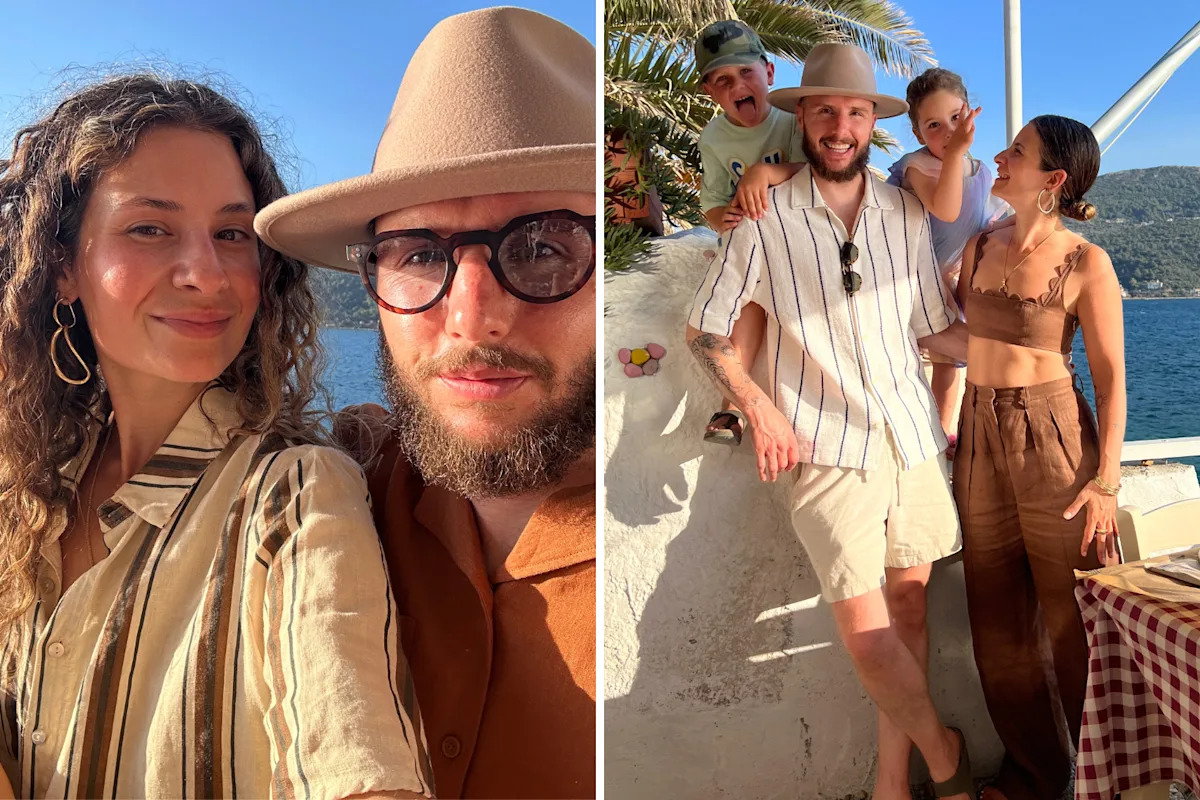
A Sydney mum who packed up her family’s life and moved to Europe said she can’t imagine returning to Australia after discovering a completely different way of raising children.
Liana Hakim and her husband James Shaw-Taylor originally planned to spend one year in the Netherlands, but three years later, they’re still there — and she said the freedom her children enjoy overseas has changed her perspective on life back home.
“I don’t think I will ever move back to Australia,” the 37-year-old told Yahoo Lifestyle.
RELATED:
Housing affordability can be a significant factor for many Australians moving overseas.
But the couple had already achieved the “Great Australian Dream” of home ownership, and that wasn’t their primary motivator for packing up their lives and moving to the other side of the world.
Have you made an unusual move? Contact carina.stathis@yahooinc.com with your story
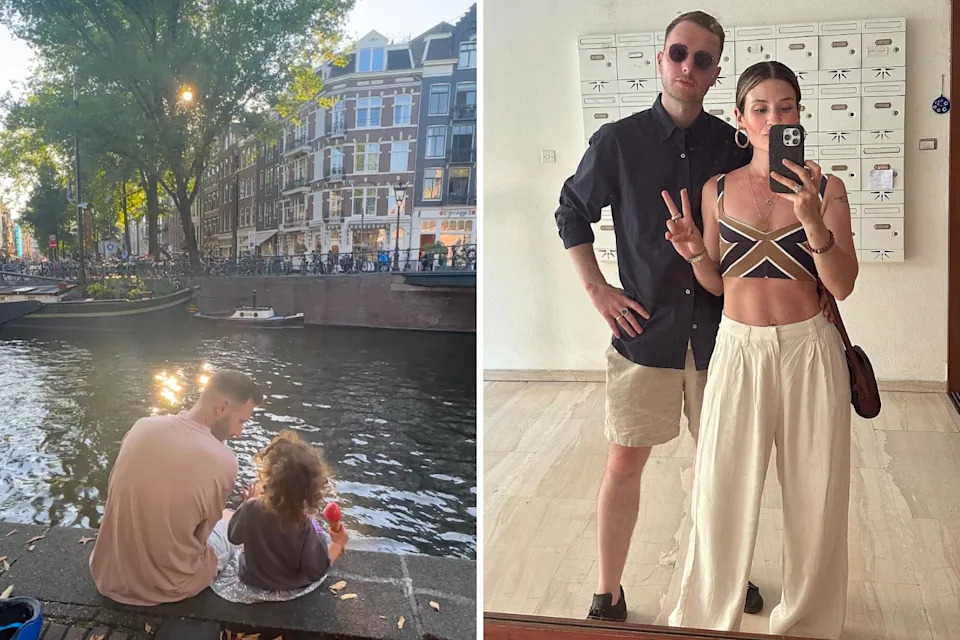
Liana has a Greek passport, while James has a Dutch passport as do both of their children, so moving abroad was an easy option as they weren’t restricted to complicated visas.
(Supplied)Aussie family’s one-year move becomes permanent
The family owned a large mid-century home on a 2000sqm block backing onto bushland on Sydney’s Upper North Shore and were raising their two young children surrounded by nature.
But as their eldest son approached school age, Liana began questioning whether a traditional Australian classroom environment was the right fit.
“I didn’t want him to go and sit in a classroom at a desk all day, five days a week,” the business owner said.
“We started looking around, and I said to my husband, ‘Why don’t we move to Europe for a year while we decide?’”
They took the leap of faith, eventually settling in Haarlem in the Netherlands after initially planning to stay abroad for just a year.
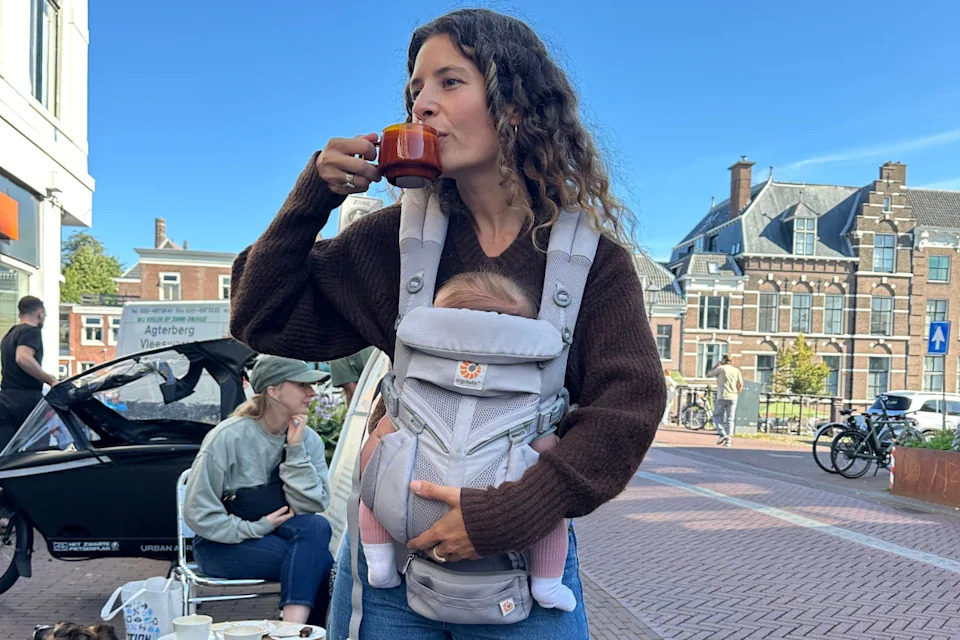
While the couple planned to live overseas for only a year, that quickly faded after the first few months.
(Supplied)
Liana has a Greek passport, while James and her children have Dutch ones — making moving abroad easier, as they can avoid complicated visas.
A place at a local Waldorf school became available shortly after they arrived, and their son quickly adapted, becoming fluent in Dutch within months.
What surprised Liana most, however, wasn’t the education system.
It was the way children were allowed to live.
‘Feels like the 1950s’: Biggest change living abroad
Liana said one of the biggest differences between life in Australia and the Netherlands is the amount of independence children are given.
Her children, now aged six and eight, spend hours outdoors playing with neighbourhood kids while parents keep a loose eye on things from afar.
“It’s really just a different way of living here. It really feels like the 1950s,” she said.
“The parents don’t really care where their kids are because everybody is watching everybody.”
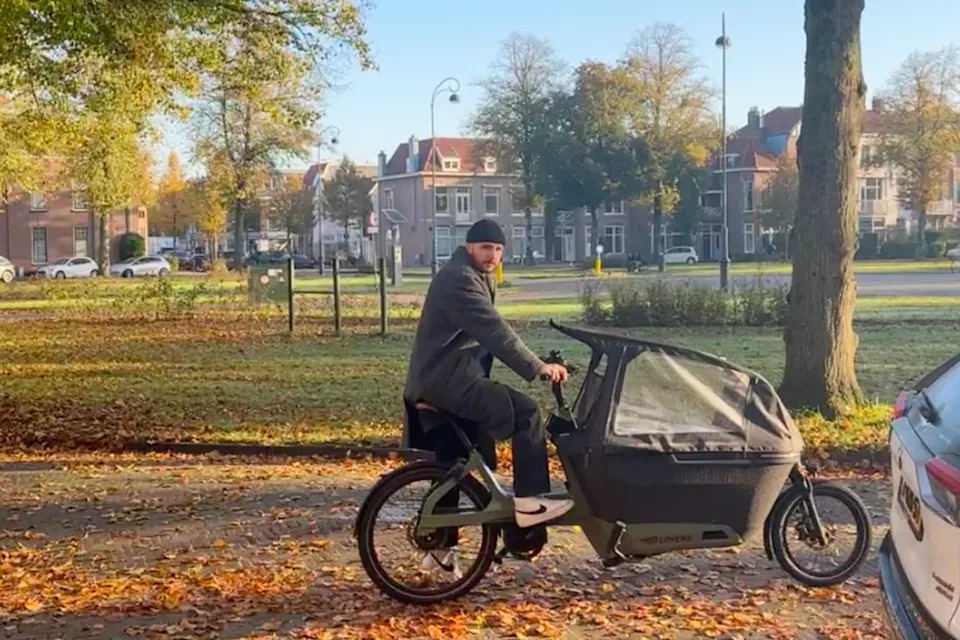
“It’s really just a different way of living here. It really feels like 1950s,” Liana said.
(Supplied)
Liana said she felt restricted back home, wary of letting her children play in the yard as the bushland area they lived in was full of redback spiders, snakes, and other animals.
In the Netherlands, children from toddlers to teenagers play together in the street, and Liana said she gradually became comfortable giving her own children more freedom.
“I started letting my kids have a parameter where they could play, then gradually that parameter got bigger and bigger, and I realised I can trust them,” she said.
“That would never happen in Australia.”
At dinner time, she simply sends a message to the neighbourhood WhatsApp group and her children make their way home.
‘Everyone is afraid’: Australian approach to parenting
Liana said parenting culture is a major difference between the two countries.
Back in Australia, she often felt surrounded by what she described as a more risk-averse approach to parenting.
“It’s like everyone’s afraid. Everyone thinks the worst-case scenario is real,” she said.
“Everyone’s kind of helicoptering over their kids.”
Research has increasingly linked independent outdoor play with improved confidence, resilience and mental well-being in children, while experts have also warned that opportunities for unsupervised play have declined significantly over recent decades.
Liana said the culture in the Netherlands has allowed her children to spend less time indoors and more time socialising, exploring and connecting with nature.
“They never watch TV because they’re always outside,” she said.
The sense of community has also surprised the Australian mum.
“I never feel stressed. If I were in a situation where I needed help, I could message any of them to pick my kids up from school,” she said.
“People’s curiosity and kindness outweigh the pretentiousness here.”
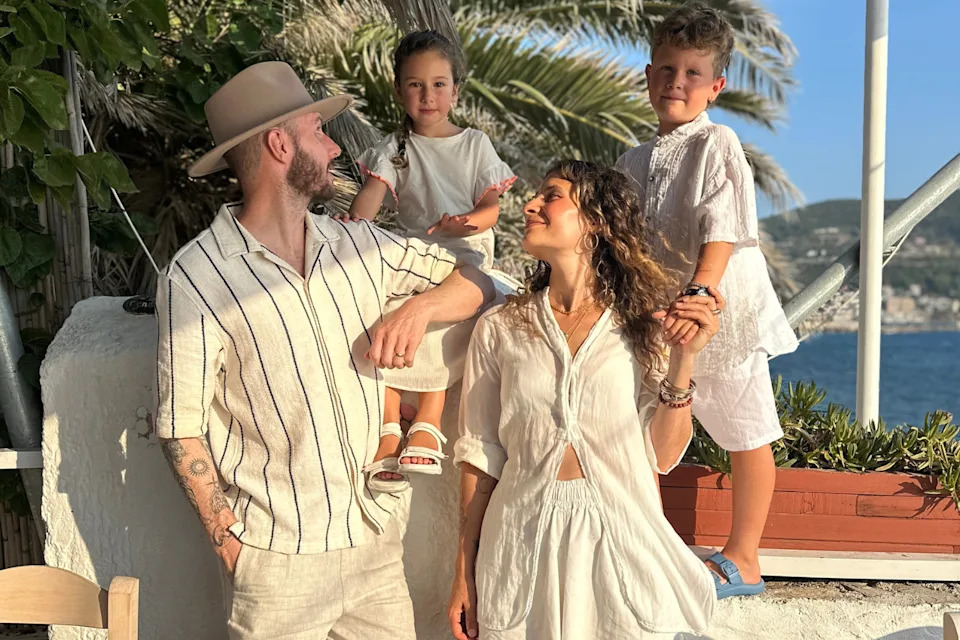
The couple’s short stint has transformed into a long-term plan – at least up until their children turn 18.
(Supplied)
She said conversations tend to focus less on careers and status and more on hobbies, interests and shared experiences.
Another benefit is how easy it is to travel.
Liana has driven to Germany for the day and regularly visits family in Greece during summer.
In contrast to Australia’s vast distances, she said everything in the Netherlands feels close, with Amsterdam just 15 to 35 minutes away.
The Australian things mum-of-two misses
Despite saying she has no plans to return permanently, Liana said she still misses aspects of Australian life.
Friends and family top the list, along with Australian supermarkets, fashion brands and the country’s food culture.
“I miss the food so much,” she said.
“Thai food, Chinese food, Indian food and really good sushi.”
She also misses being able to grab an early morning coffee.
“I miss going to a cafe at 6.30 in the morning to get a coffee,” she laughed.
“The coffee shops here don’t open until 9.30am.”
For now, though, the trade-off is worth it.
“I don’t think I will ever move back to Australia,” she said.
“There’s too much to explore. There’s too much life to live.”
Want the latest lifestyle and entertainment news? Make sure to follow us on Facebook, Instagram, and TikTok.