
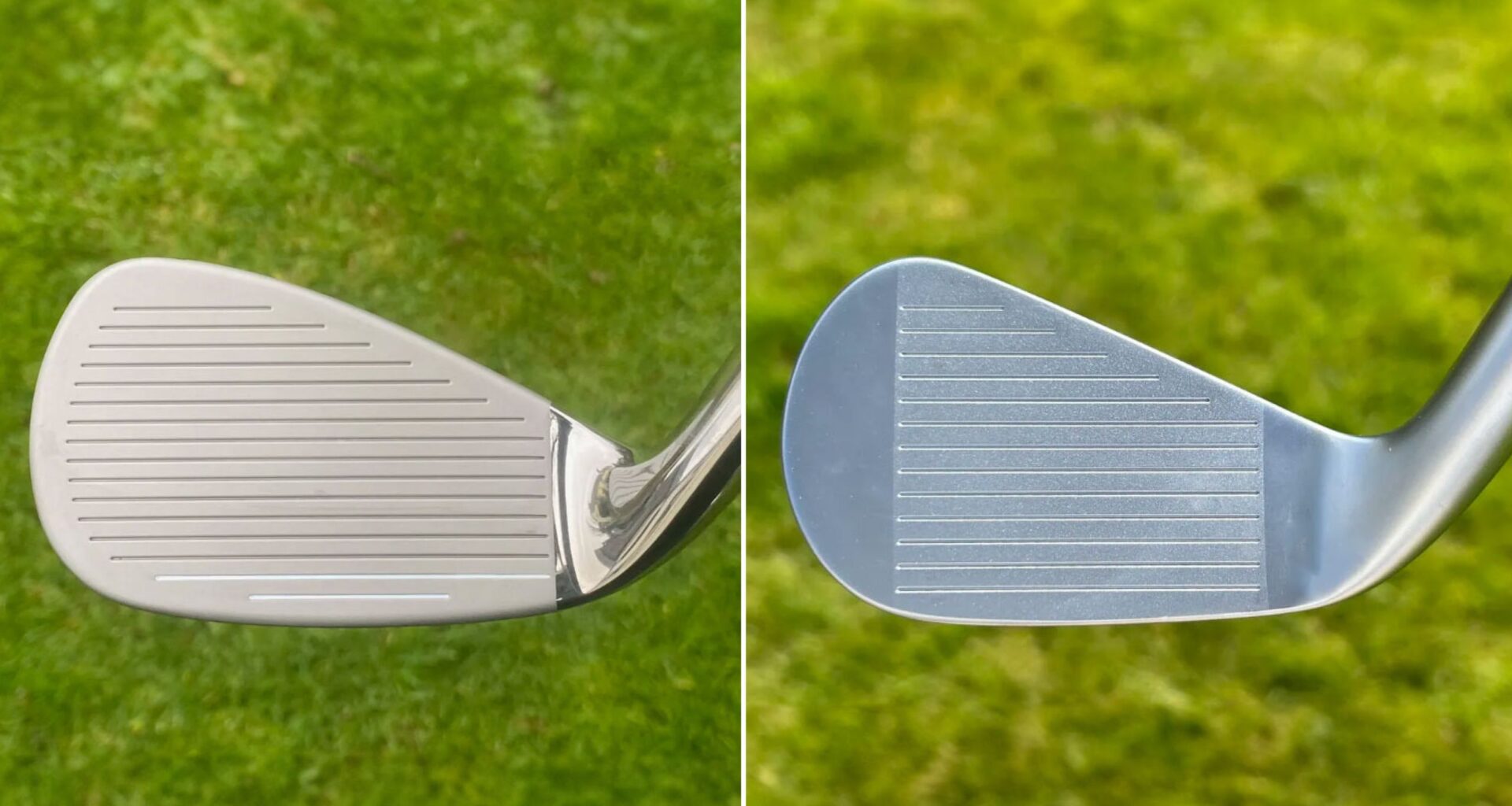
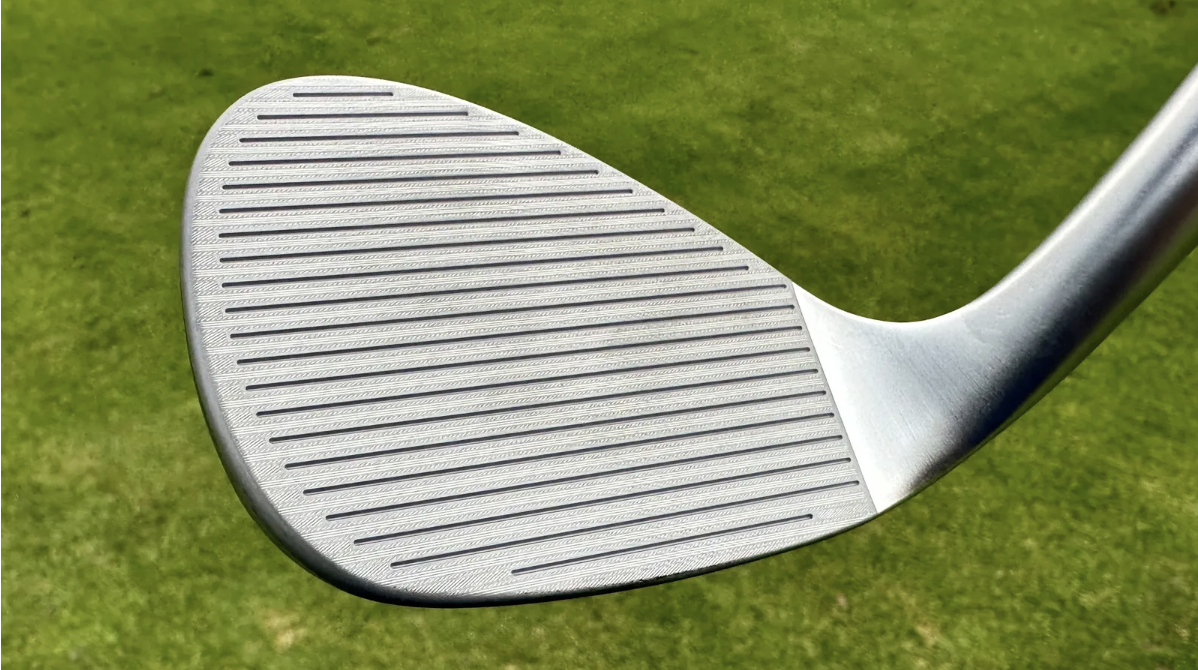
Walk into any golf shop, and you will see a growing trend in the short-game section: wedges sporting full-face grooves. It makes perfect sense.
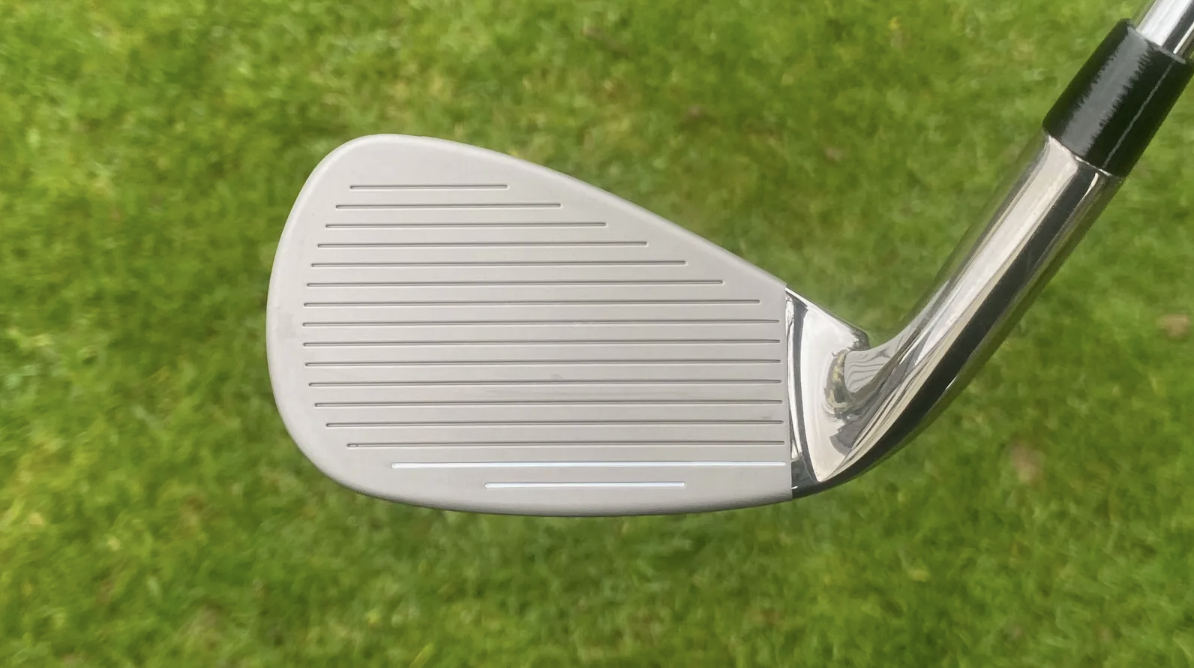
When you open the blade for a flop shot or catch one off the toe out of thick rough, those extended lines preserve spin and control. Yet, move just one club over in the bag to the ‘set wedge’ or the 9-iron, and the grooves abruptly shrink back to a neat little box in the center.
Why do irons stubbornly refuse to embrace full-face grooves? As it turns out, the explanation has less to do with physics and much more to do with habit.
Latest Videos From
(Image credit: Future)
If you are looking for a groundbreaking scientific reason for why iron grooves stop where they do, prepare to be disappointed. There isn’t one.
The current boundaries of standard iron grooves are largely arbitrary, dictating a design framework simply because “that’s the way it’s always been done.” Golf is a sport deeply romanticized for its history, and equipment manufacturers are highly sensitive to what looks “right” at address.
You may like

(Image credit: Future)
For decades, players have been conditioned to look down at a smooth heel and toe framing a scored center. Breaking this visual mold is a risk, in my opinion, most brands are hesitant to take, fearing traditionalists will reject the aesthetics before even swinging the club.
The Ultimate Game-Improvement Feature?
This adherence to tradition is particularly ironic when we look at the game-improvement sector. High-handicap golfers do not strike the ball with robotic, center-face consistency.
Instead, they use the entire clubface – frequently visiting the extreme limits of the toe and heel. Implementing full-face grooves on maximum-forgiveness irons could be a significant win for the everyday golfer.
(Image credit: Future)
When a player strikes one severely off the toe, having grooves present at the point of impact would potentially help stabilize spin rates and maintain a more predictable launch angle. It provides a safety net for the exact type of player who needs it most.
More Than Just Spin: Psychology and Engineering
Beyond the physical benefits of spin retention, full-face grooves could offer two hidden advantages:
What to read next
The Psychological Edge: Extending the groove lines across the entire face visually enlarges the hitting area. When you are standing over a daunting approach shot, a clubface that looks massive breeds instant confidence.

(Image credit: Future)
Weight Redistribution: Milling grooves across the entire face removes physical metal from the perimeter. While a few grams might seem negligible, golf engineers obsess over fractions of a gram. That saved weight can be strategically repositioned lower and deeper into the sole, increasing the club’s Moment of Inertia (MOI) for a higher, more forgiving launch.
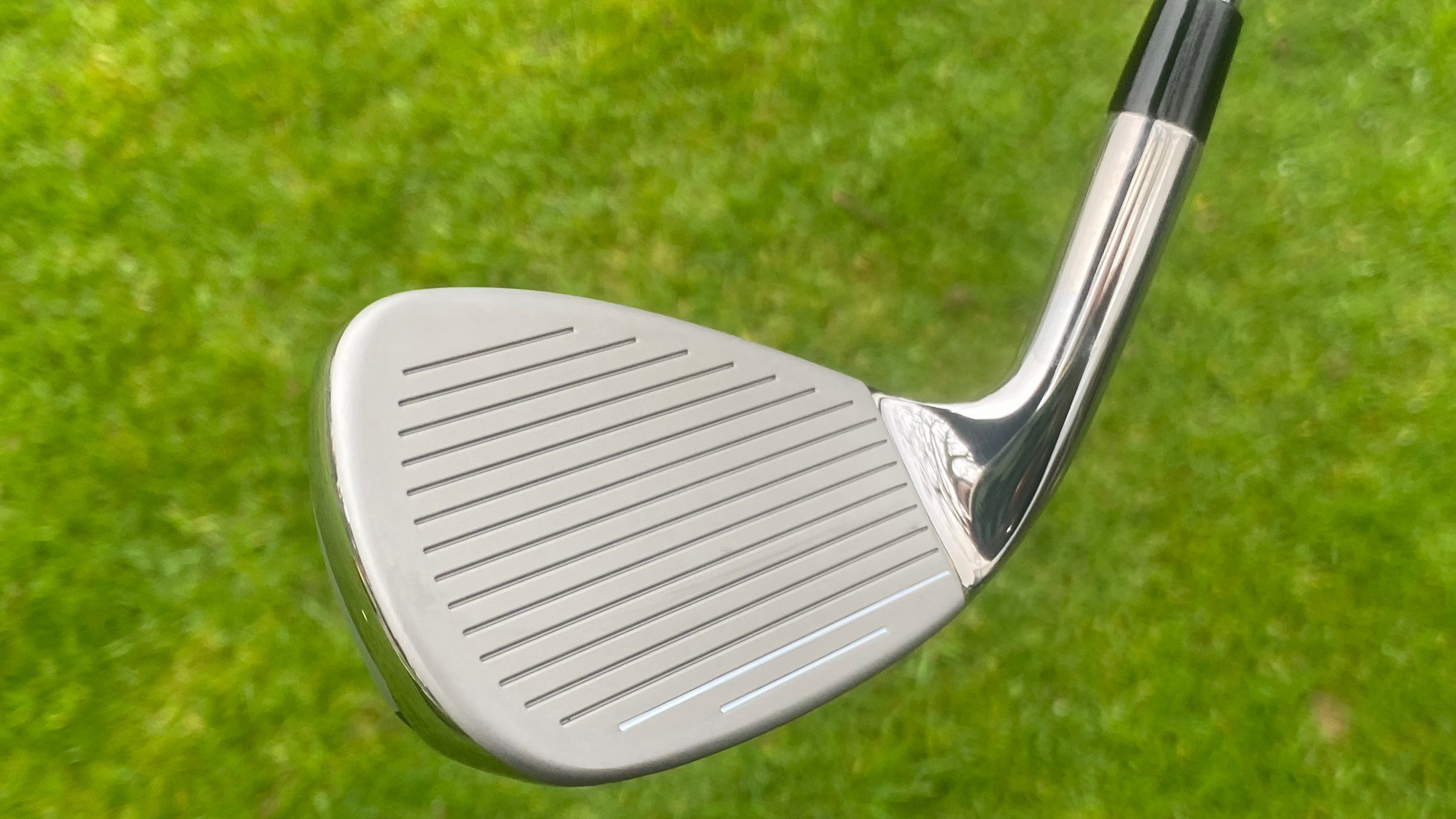
We already have proof of concept. Standard-shattering designs like the Cleveland Halo XL Full-Face irons have boldly stepped into this territory. For hybrid-irons and super-game-improvement clubs, the technology makes complete sense, combining maximum forgiveness with a confidence-boosting footprint.
(Image credit: Future)
While, in my opinion, full-face grooves should absolutely become the standard for game-improvement irons down the road, golf’s obsession with classic styling means change will likely happen at a snail’s pace. For now, you will just have to enjoy the extra spin on your wedges – even if your mid-irons could desperately use the help.