
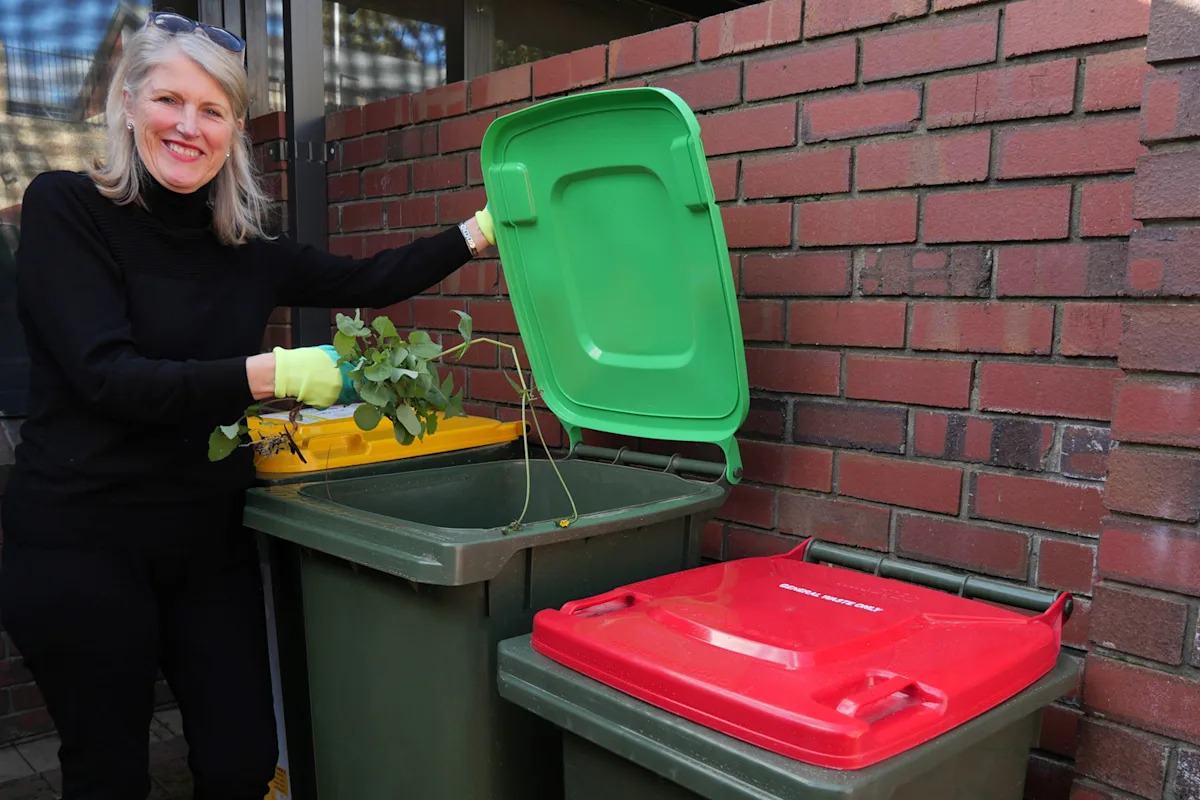
A push to give residents in one coastal LGA the option of a larger household rubbish bin has been knocked back by council, amid recurring concerns of overflowing waste.
City of Kwinana Councillor Balian Miller, in Perth’s east, had proposed allowing residents to upgrade to a 240-litre red-lidded bin — the standard size in many jurisdictions — for an additional annual charge.
Under the proposition, it would be incorporated into the city’s fees and charges schedule.
It comes as authorities across the country crack down on residents’ waste to reduce the strain on landfills.
Do you struggle with the size of your bin? Contact newsroomau@yahoonews.com
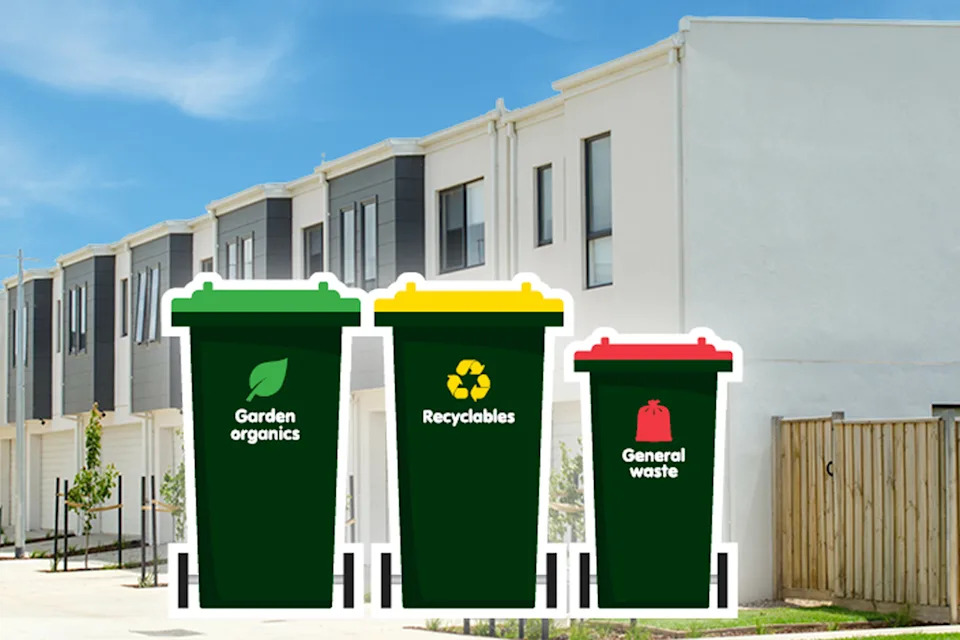
For now, residents will keep their smaller red-lidded bin.
(City of Kwinana)Residents stuck with smaller bins
But those plans fell through, meaning the smaller, 140-litre general waste bin will remain the default service, The Sound Telegraph reported.
The debate comes after Kwinana recently overhauled its kerbside waste system, introducing a third, green-lidded garden organics bin while reducing the size of the standard red-lidded general waste bin as part of efforts to divert waste from landfill.
Miller said concerns about bin capacity had been a recurring issue raised by residents during the 2025 local government election campaign.
Residents currently have the option of paying for an additional 140-litre bin.
A larger 240-litre service was expected to cost between $230 and $290 a year, broadly in line with the cost of obtaining a second smaller bin.
He argued the larger bin would provide a more practical alternative for households producing extra waste without requiring them to pay for an entire second service.
“Common sense should tell you it will cost less,” he said, The Sound Telegraph reported.
“This is a practical, affordable bridge for people who cannot make it work with what they have right now.”
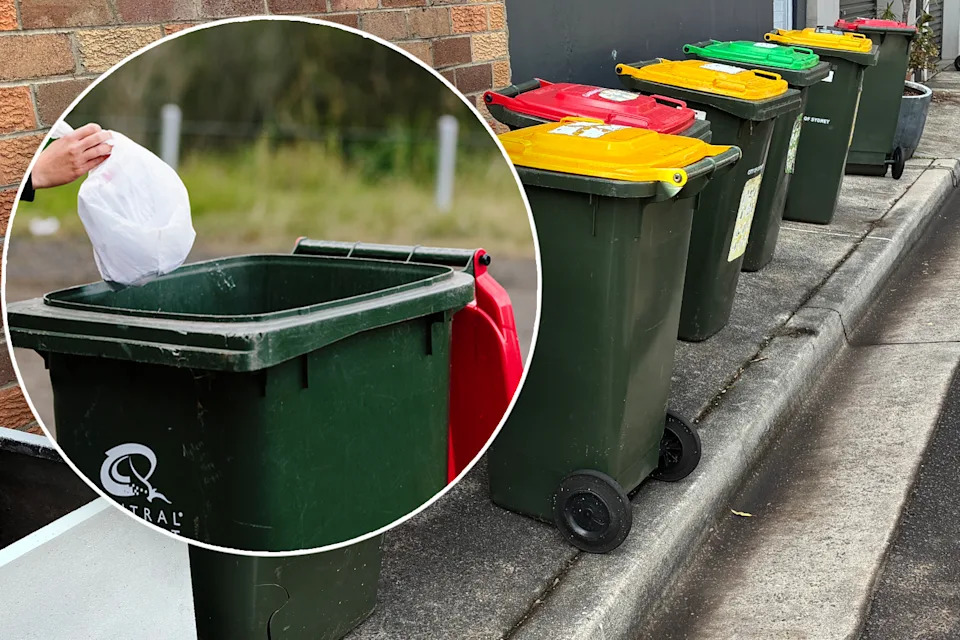
It’s a recurring issue across Perth, with other councils facing similar pressure from residents about bin sizes and scheduling.
(Central Coast Council/Yahoo News Australia)What does council say?
Council officers recommended against the proposal, citing conflicts with both the city’s waste management strategy and State Government environmental objectives.
Miller disputed those concerns, noting similar services were already available in neighbouring local government areas.
“The suggestion that Kwinana alone would face reputational or governance risk for offering a service that established metropolitan councils already offer is not a compelling argument,” he said.
According to council, the smaller 140-litre bins were deliberately introduced to encourage residents to divert more material into recycling and food and garden organics streams rather than landfill.
It warned that increasing general waste capacity could weaken incentives to sort waste correctly, potentially leading to higher landfill volumes and increased disposal costs.
RELATED:
Perth residents and their bin battles
It’s a recurring issue across Perth, with other councils facing similar pressure from residents about bin sizes and scheduling.
The City of Rockingham, in particular, has been locked in a battle with many locals over reduced pickups and smaller bins.
Kwinana points to data indicating most households have adapted successfully to the three-bin system introduced last year.
Figures reportedly show recycling rates have increased by more than 11 per cent since the rollout, while demand for additional bins has risen only marginally.
But Miller said those figures did not necessarily reflect the level of unmet demand.
“To suggest that a resident who is struggling with their bin capacity simply hasn’t been educated can be perceived as condescending,” he said.
“People have different households, different family sizes, and different circumstances. The existence of the second-bin service is an acknowledgement that one small bin is not enough.
“You cannot simultaneously say that one bin isn’t always sufficient and then say those who need more space just need to be educated.”
You can also follow us on Facebook, Instagram, TikTok, X and YouTube.