
This story is part of Peak, The Athletic’s desk covering the mental side of sports. Sign up for Peak’s newsletter here.
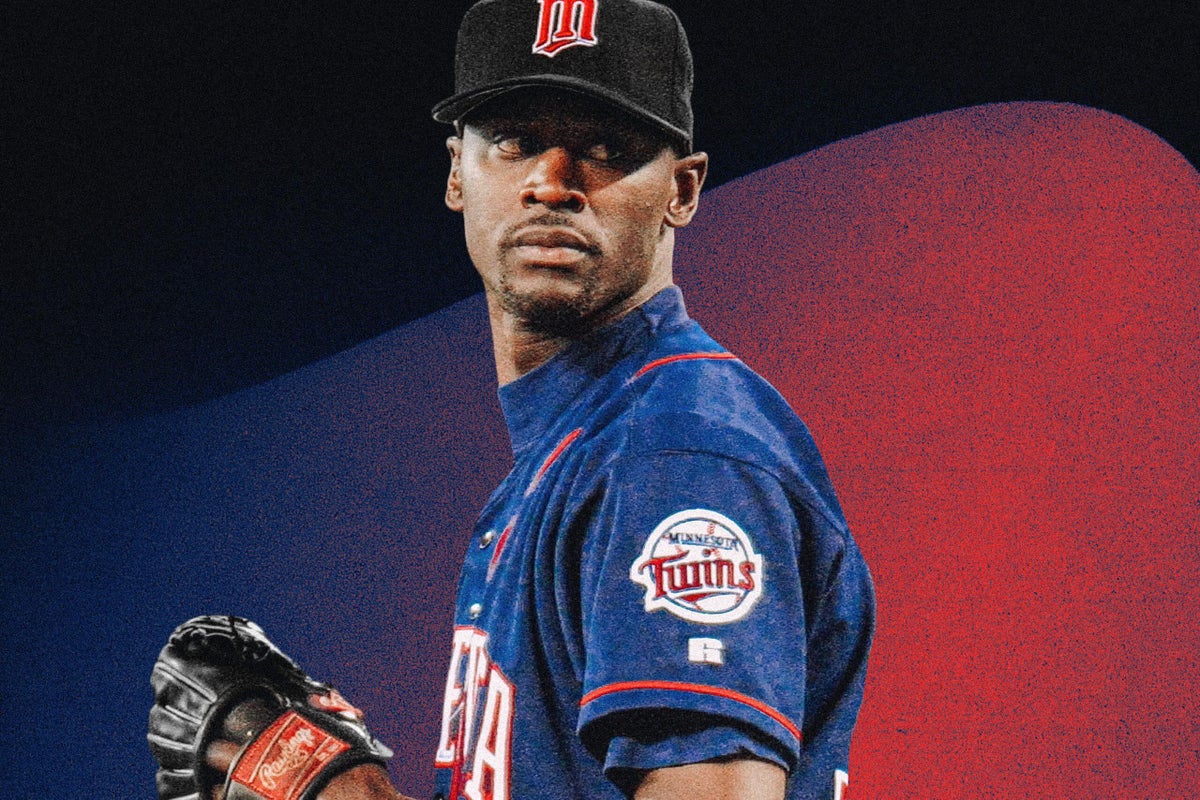
LaTroy Hawkins pitched in the major leagues for 21 years and is now the bullpen coach for the Minnesota Twins. These are the three best leaders he played with.
Tom Kelly
He had a different way of getting the best out of people, and if you could handle it, he was the best. Some guys couldn’t handle it.
He could make you feel small or he could make you feel like you were a 757 luxury airplane. His blood pumped baseball.
I talk about him differently because he had a huge impact on my career. I wasn’t a great starter; one year I had a 6.66 ERA. But he saw something in me that I didn’t see in myself. That was what made him an incredible leader.
He knew that I had some talent, but I wasn’t having any success. He saw everything; he always knew what was going on. He watched how I went about my business, how I worked every day. I didn’t take any shortcuts.
He would call me into his office and say: “You’re going to continue to be on this team. Keep working hard. The first time I see you stop working, your ass is going to be out of here. As long as I’m here, you’re going to be here. You just have to keep working.”
I walked out, and I didn’t know if it was a good meeting or a bad meeting. I was like: S–t. He was just such an old-school guy, and he was so brash.
Being raised in Gary, Indiana, I was used to his brashness; I thrived on it. All my coaches growing up were brash. My mom was brash.
And I knew that he loved me.
I just told this story the other day. He called me in and said: “I’ve got a question for you.” I was sitting in his office, like I always did. He was smoking a cigar and said: “Do you want to learn how to pitch out of the bullpen in Triple A or here in the big leagues?”
I said: “What kind of question is that?”
And he said: “Alright, get ready for the game.”
The rest is history.
Dusty Baker
Dusty related to ever-y-body. He made you feel like you were the best player on the planet.
When I left Tom Kelly in Minnesota, I went straight to play for Dusty Baker in Chicago. Dusty was smart and well-versed in many categories.
When I played for the Cubs, I would come home to Gary, and everybody wanted to know how Dusty was: How’s Johnnie B? How’s Johnnie B?
We had a little corner store and a little liquor store, and I’d say: “Dusty is the type of dude who could go hang out at that liquor store and hang out with y’all and y’all would think he lived here his whole life. Or he could go to the White House and help solve world problems.”
Everything he did there was a lesson behind it. He helped me through one of the hardest times of my life. When I left Minnesota and went to Chicago, there was a lot of racism in Chicago. I wasn’t subject to that in Minnesota. I showed him the first hate mail I got, and he called me into his office and helped me talk it through.
“Hey, man, nobody defines who you are,” Baker said. “You’re here because you earned it. All those people, they want to be you. They want to be us.”
For me, it meant everything.
I haven’t played for Dusty in 22 years, but to this day, Dusty calls me. He checked in about two, three weeks ago: “Hey Hawk, just checking in, seeing how the coaching’s coming along. Do you love it, like it, don’t like it?”
Playing for him was tough, but easy. You never wanted to let him down because he was such a father-figure type. I call him my baseball dad.
Trevor Hoffman
I only played with Trevor for one year.
It was towards the end of his career, and after every save, he had to get a new pair of shoes; they were sending his spikes to the Baseball Hall of Fame in Cooperstown.
I had 15 years in the big leagues by then. I was always a leader in the bullpen, but I found myself just sitting back and watching Trevor go about his business and how he treated all of us. Sometimes he was stern with the younger guys, but then he brought them in and loved on them.
He made sure we worked out together. If we had a day game at home on Sunday, we would eat at his house. He made sure we always ate together as a unit.
He created this extra layer of camaraderie that you normally don’t see. He always took care of people.
Hoff liked to eat. He could put away some food. He would have a plate full of pasta, but if you had steak and potatoes, he would reach over, grab your steak — with his hand — take a bite, and put it back on your plate.
It was an experience, and it was like: He’s such a leader and he’s so freaking cool; just let him do his work.
— As told to Jayson Jenks