
The conflict in the Middle East is the principal source of inflationary pressures in the United States, largely through its impact on energy-related costs, the U.S. Federal Reserve said in its latest Beige Book released on Wednesday.
The beige book showed that economic activity increased at a slight to moderate pace for ten of the twelve Federal Reserve Districts, while one district reported a slight decline and one reported no change.
Consumer spending remained mixed across districts and increasingly bifurcated across income groups amid persistent affordability pressures, according to the beige book.
Higher-income households proved resilient and relatively insensitive to price increases, while middle- and low-income households exhibited growing financial strain, it said.
The report showed that prices rose at a moderate to strong pace overall, with most districts reporting elevated inflation relative to the prior reporting period, and the districts attributed the inflationary pressures primarily to energy-related costs linked to the conflict in the Middle East, with spillovers extending into shipping, packaging, groceries, and fertilizer.
Meanwhile, non-labor input costs continued to outpace selling price increases, fueling broader concerns about margin compression, according to the the report.
In terms of employment, the beige book reported that most districts described a low-hire, low-fire environment.
The Beige Book, officially known as the Summary of Commentary on Current Economic Conditions by the Federal Reserve District, is a survey on economic conditions based on information collected from its 12 regional reserve banks. It is published eight times per year.
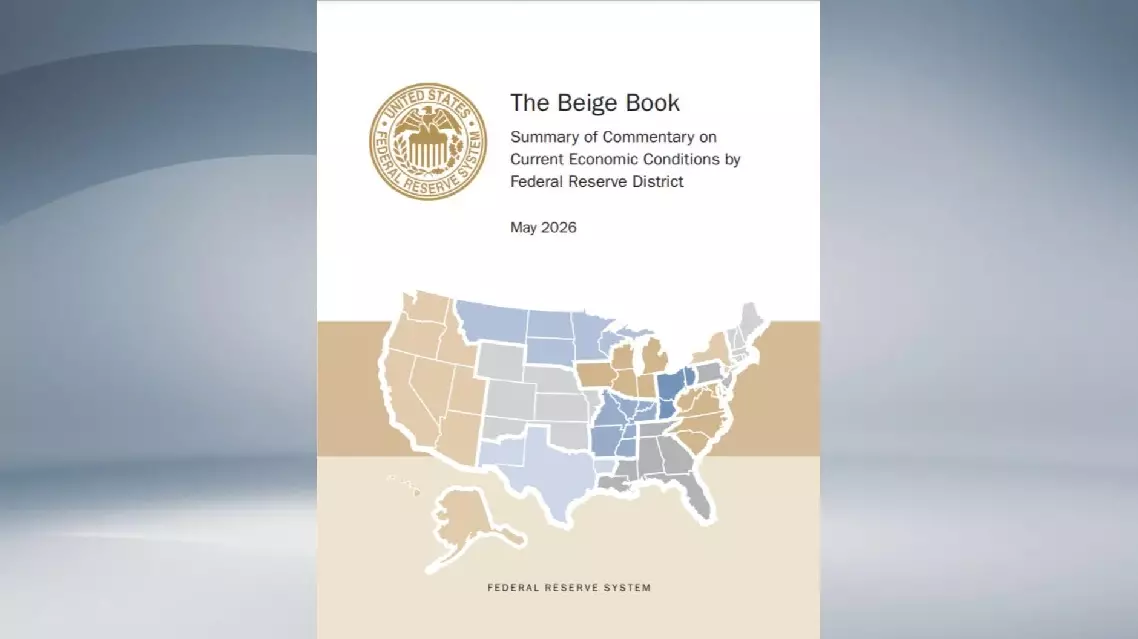
Latest Fed Beige Book shows evidence of rising inflation pressure, widening consumption gap in US
A series of cross-Strait exchange activities have been held in north China’s Shanxi Province, providing platforms for people from both sides of the Taiwan Strait to explore shared history, culture, and business opportunities.
A ceremony worshiping Emperor Yandi, a legendary ancestor of the Chinese nation, was held in Gaoping, a county-level city in Shanxi on May 24.
The worship ceremony featured rituals including incense offering, the reading of eulogies, ritual bowing, and traditional Chinese instrument performances. The solemn event brought together people from both sides of the Strait, strengthening their shared sense of cultural belonging and deepening consensus around a common Chinese identity.
“Because (in Taiwan), we’ve known since childhood that we are descendants of Emperor Yandi and Emperor Huangdi, so attending this ceremony really meant a lot to me,” said Hsieh Yu-Chan, a Taiwan resident.
“It truly gives me the feeling of being as the descendants of Yandi and Huangdi. I was deeply moved. If I have the opportunity, I will definitely come again next year,” said another Taiwan resident.
Shanxi Province has a solid industrial base and a favorable business environment. The province has rolled out preferential policies for Taiwan residents, attracting more than 100 Taiwan-funded enterprises to invest and settle in.
On May 23, an event highlighting cross-Strait business exchanges was held in the province’s Jincheng City, attracting nearly 150 Taiwan businesspeople and youths, enhancing mutual understanding and exploring business opportunities.
“(Shanxi’s) cultural tourism, healthcare, and coal chemical industries, in particular, offer excellent opportunities for Taiwan businesses, while Taiwan businesses are also very strong in producing key components for AI computing power. The prospects [for cooperation] are very promising,” said Lee Cheng-hung, president of the Association of Taiwan Investment Enterprises on the Mainland.
“The mainland’s economy is actually very strong. I think the success rate of starting a business and investing here is at least twice as high as in Taiwan. So I encourage young people in Taiwan to come and visit more often,” said Chang Han-hsuan, a businessman.
During the event, participants also visited local enterprises, a short video production base, and popular tourist attractions across Shanxi.
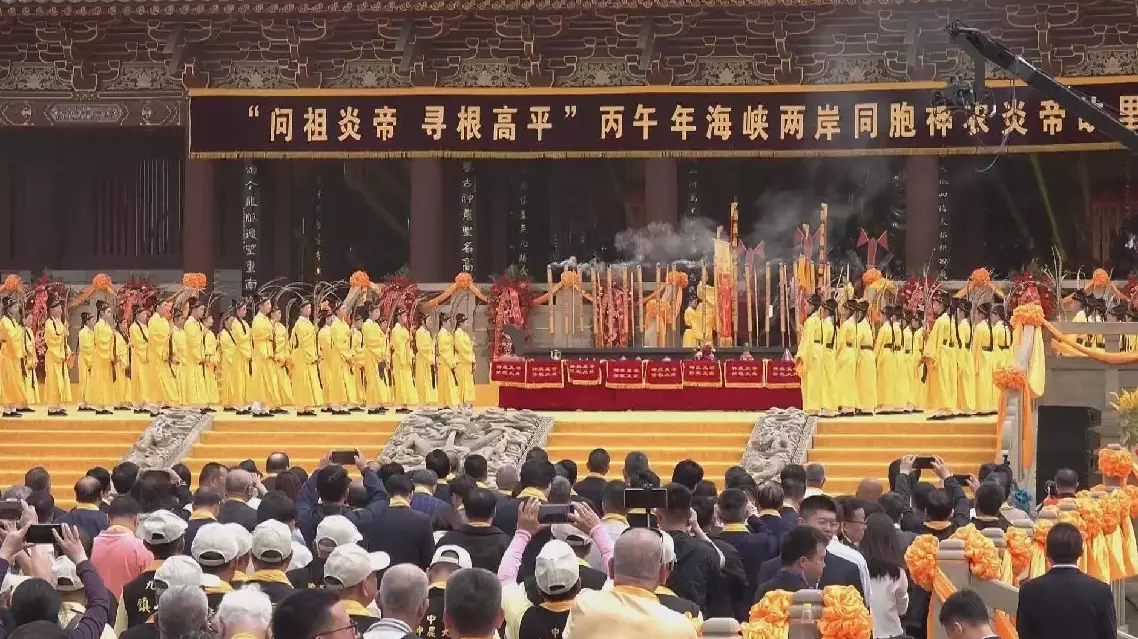
Cross-Strait cultural, business exchange activities held in Shanxi