
 Photo: exploderasi 123rf
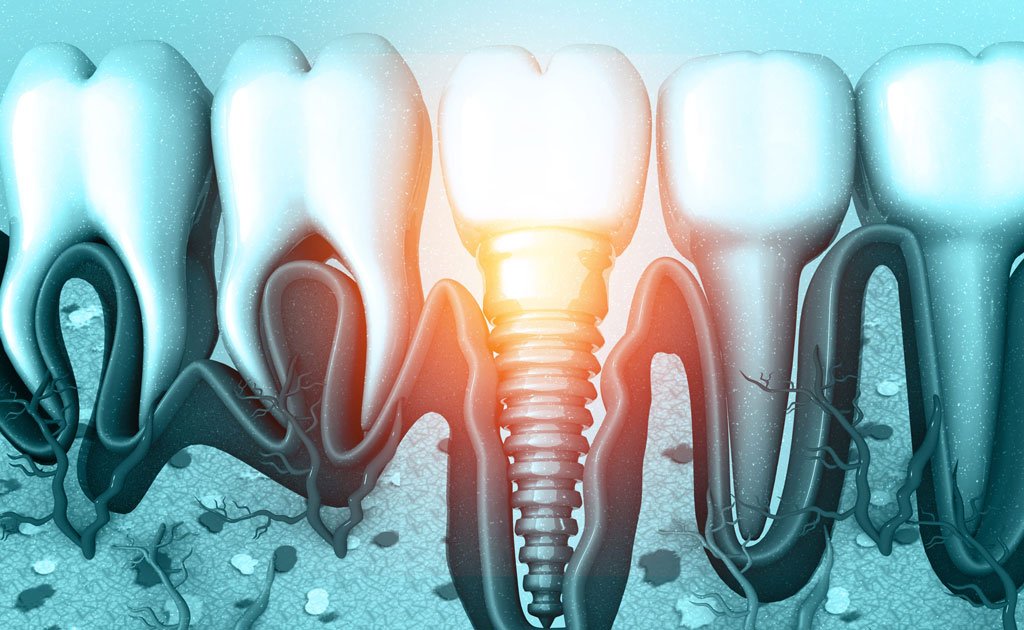
Dental implants have given tens of millions of people something dentures never could: a full set of fixed and fully functioning teeth. Unfortunately, 10 to 20 per cent of implant patients eventually experience an aggressive jawbone infection called peri-implantitis.
Antibiotics usually fail to stop the infection for reasons that researchers have never understood—until now.
A new study by US researchers found that bacteria corrode implants, causing them to shed microscopic titanium particles into the surrounding tissue. Those particles hijack the immune cells sent to clear the infection and lock them into a state of inflammation that destroys the jawbone they are supposed to protect.
Working with human tissue samples, cultured human immune cells and a genetically engineered mouse model, the team from Rutgers School of Dental Medicine pinpointed a specific calcium channel in the body’s bacteria-eating macrophages that the titanium particles activate. Switching that channel off in mice prevented the disease.
The findings are published in PNAS Nexus.
“For the first time, we show why all the antibiotic treatments that work around teeth do not work around implants,” Dr Georgios Kotsakis said.
“Now that we know the cause, we can start developing therapeutics.”