The FIA, Formula One Management (FOM), teams and power unit manufacturers have agreed a package of changes to Formula 1’s Technical, Sporting and Financial Regulations for the 2027 and 2028 seasons following concerns raised during the opening phase of the new power unit era.
Discussions began after the first races of the 2026 campaign highlighted issues related to energy management under the sport’s revised power unit framework. The agreed measures are intended to address those concerns while preserving the competitive racing produced by the current regulations.
The proposed amendments focus on energy management and fuel energy flow characteristics, with the aim of making qualifying sessions more flat out without negatively affecting race performance.
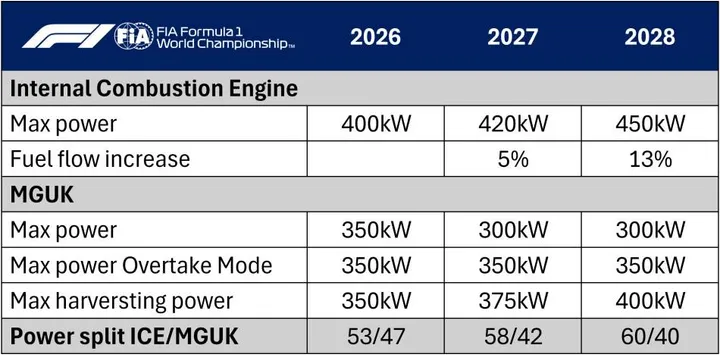
Central to the package is a phased rebalancing of the contribution made by the internal combustion engine and the energy recovery system across the 2027 and 2028 seasons.
The changes include adjustments to engine output, fuel energy flow and energy deployment, alongside increased flexibility in how teams manage energy during sessions.
The powers that be have been forced to react
Mohammed Ben Sulayem, FIA President, said of the changes: “Formula 1 has always evolved to meet new challenges and seize new opportunities. These proposed changes reflect the collaborative work taking place across the sport to ensure the regulations continue to support exciting racing, technological innovation and long-term sustainability.
“The FIA has a responsibility to protect the future of the Championship, and these refinements are part of that commitment. It is through working together that we will shape the future of our sport and deliver for fans across the world, and I would like to thank the FIA staff, the teams, Formula One Group, and the power unit manufacturers for this constructive approach,” added Ben Sulayem.
The agreement also includes supporting measures covering power unit supply conditions, race operations and associated financial regulations.
Designed to refine the framework further and address operational challenges
According to the FIA, the amendments continue the collaborative approach that shaped the 2026 Formula 1 regulations, which were developed jointly by the governing body, FOM, teams, manufacturers and power unit suppliers.
The governing body said the latest changes are designed to refine the framework further and address operational challenges identified during the first year of the regulations.
The FIA will now fast track the approval process to provide teams and manufacturers with greater certainty and time to prepare for the revised requirements.
The proposals will be submitted to the FIA World Motor Sport Council for approval at its meeting in Macau on June 23.
Formula 1 drivers and fans have been dismayed by the ‘racing’ the current rules package delivered, some calling it anti-racing, aothers claimed it went against the ethos of what the pinnacle of the sport should be about.. The powers that be have been forced to react.
(Reporting by Agnes Carlier from Barcelona)