
Australians will not see oil prices return to pre-Iran war levels until 2028 under the best-case scenario, an energy expert has revealed as the conflict heats up again.
US officials confirmed this week that strikes had resumed against Iranian targets after Tehran shot down a US helicopter on Monday.
Both nations have since struck each other’s assets and Iran has declared the Strait of Hormuz closed, sparking concerns about more rises in oil prices.
MST Financial energy analyst Saul Kavonic said Australians will not see oil prices return to levels seen in February for several years under the best circumstances.
“It’s very hard to unscramble this egg and see how oil prices return to those much lower prices we saw at the beginning of the year,” Mr Kavonic told Business Now.
Oil prices are up to about US$93 per barrel on Thursday afternoon. This is higher than the US$70 per barrel price tag at the beginning of the year.
Mr Kavonic stressed that reopening the Strait of Hormuz and guaranteeing a lasting peace between the US and Iran would not be enough to bring prices back down.
“Even in the most optimistic case scenario, for example, where we see a sustained peace still announced tomorrow, and it’s adhered to by the Iranian regime,” he said.
“Those are two massive and unlikely ifs, but even in that scenario, it’s going to take a few to several months for flows to get close to normalisation again.
“And then on top of that, you’re going to have to then rebuild the over one billion barrels of stocks that have been lost over this period.
“That will keep demand high for at least one or two years after this.”
He said the need for Australia to build up oil stocks to avoid putting itself in a vulnerable position, alongside Iran’s dominance over the Strait, make getting oil prices back to normal more difficult.
“You put all of that together and I think we aren’t going to see a return to those very weak oil prices we saw the beginning of this year through 2027, perhaps only into 2028,” Mr Kavonic said.
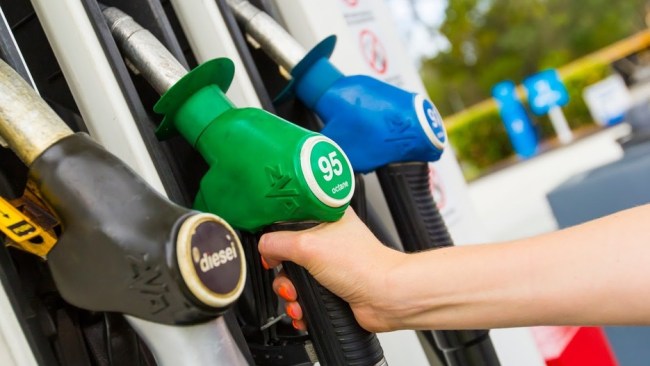
Australians are also in for some price pain at the bowser at the beginning of July when the full fuel excise will be reinstated.
Labor halved the fuel excise for the three months up until July 1, taking 26.3 cents per litre off rising prices.
The states and territories also agreed to a further excise cut which took off another 5.7 cents per litre.
This brought the total reduction to 32 cents per litre for the three-month period.