
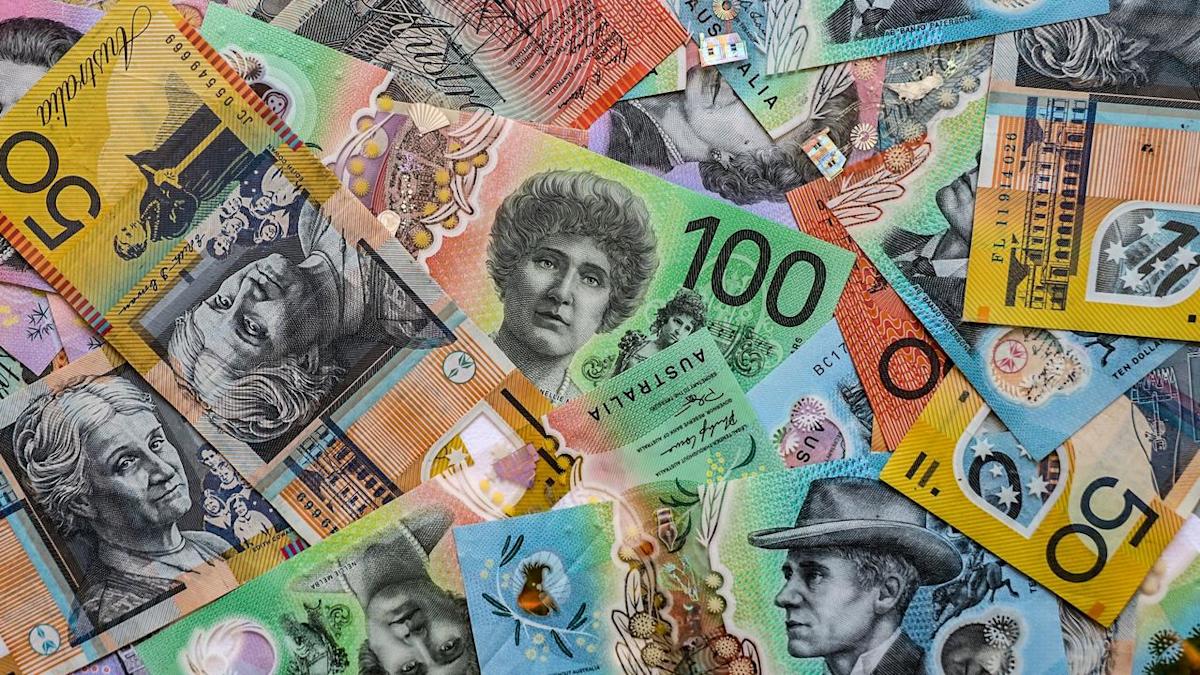
 Households are still spending more despite cost-of-living pressures. Picture: NewsWire / John Appleyard
Australian renters and those aged above 65 are the two groups of Australians still spending despite facing higher cost-of-living pressures.
Commonwealth Bank figures show household spending rose by 0.2 per cent in May following a 1.2 per cent slump in April.
Of the 12 categories, seven recorded positive gains in May, while five fell.
The largest gains were in recreation, up 2.3 per cent, and hospitality, up 1 per cent over the month.
 Households are still spending more despite cost-of-living pressures. Picture: NewsWire / John Appleyard
This was largely due to a lift in travel spending, which has recovered since the outbreak of the US/Iran war, while at the same time large events such as State of Origin have added to household spending.
Commonwealth Bank head of Australian economics Belinda Allen said households were still spending more.
“While higher interest rates and inflation are weighing on households, consumers were willing to spend on experiences like travel, dining and events during the month of May,” she said.
Commonwealth Bank, which divides spenders into owners with a mortgage, owners outright, and renters, found renters were spending the most money.
The bank’s credit card data shows renters lifted spending across nine of the 12 categories over the last 12 months.
Hospitality is at the top of the list for renters, compared with the fourth strongest across those who own a home and those who have a mortgage, while utilities and household services also moved up.
Reserve Bank governor Michele Bullock announced the official cash rate would be left on hold in June despite persistent inflation. Picture: NewsWire / John Appleyard
Households with a mortgage are slowing their spending comparatively, largely due to higher interest rates.
While the RBA held the official cash rate at 4.35 per cent in June, three previous rate hikes in a row by a total of 75 basis points put further pressure on those with a mortgage.
At the same time, inflation remains well above the RBA’s 2.5 per cent target, with the headline rate at 4.2 per cent.
Meanwhile, separate spending data from National Australia Bank, which breaks down spending by age, found it was younger and older Aussies who were spending more.
According to NAB, the largest growing sector is those aged over 65, whose spending is up 7.7 per cent over the last 12 months.
Meanwhile, younger Aussies aged 25-34 are the only other group increasing their spending, albeit from a lower base.
NAB says total spending was stronger than Commonwealth’s figures, up 1.1 per cent for May or 6.5 per cent over the year.
NAB head of Australian economics Gareth Spence said consumer spending was not falling away despite the ongoing pressures from essential spending.
Non-discretionary spending actually fell 0.9 per cent, due to a temporary halving of the fuel excise, while discretionary spending was up 2.4 per cent.