
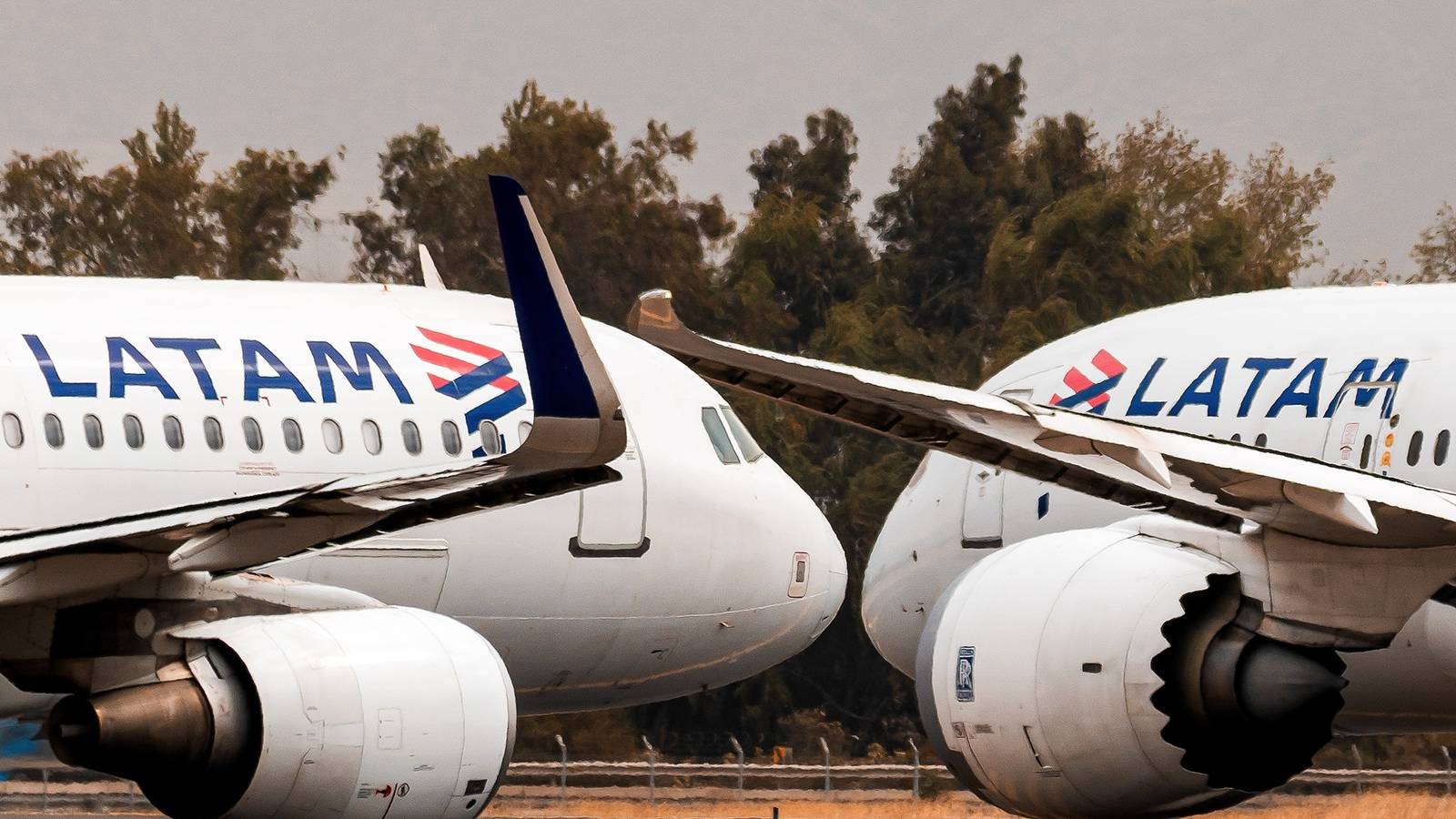
Host of the 82nd IATA Annual General Meeting in Rio de Janeiro earlier this month, LATAM Airlines Group is at the forefront of integrating artificial intelligence with cloud computing to improve important areas of operations ranging from customer service to aircraft maintenance. Simple Flying interviewed Juliana Rios, Chief Information and Digital Officer of LATAM Airlines, to discover how AI is changing the way LATAM flies.
Rios shared that one of the most impressive results so far has come from incorporating AI into the maintenance planning process. With the help of AI-driven schedule building to time A, B, and C maintenance checks at optimal intervals, the airline’s 380-strong fleet has flown 1,440 more days of revenue service.
LATAM’s Customer-Centric Digital Revolution
Credit:
Channing Reid
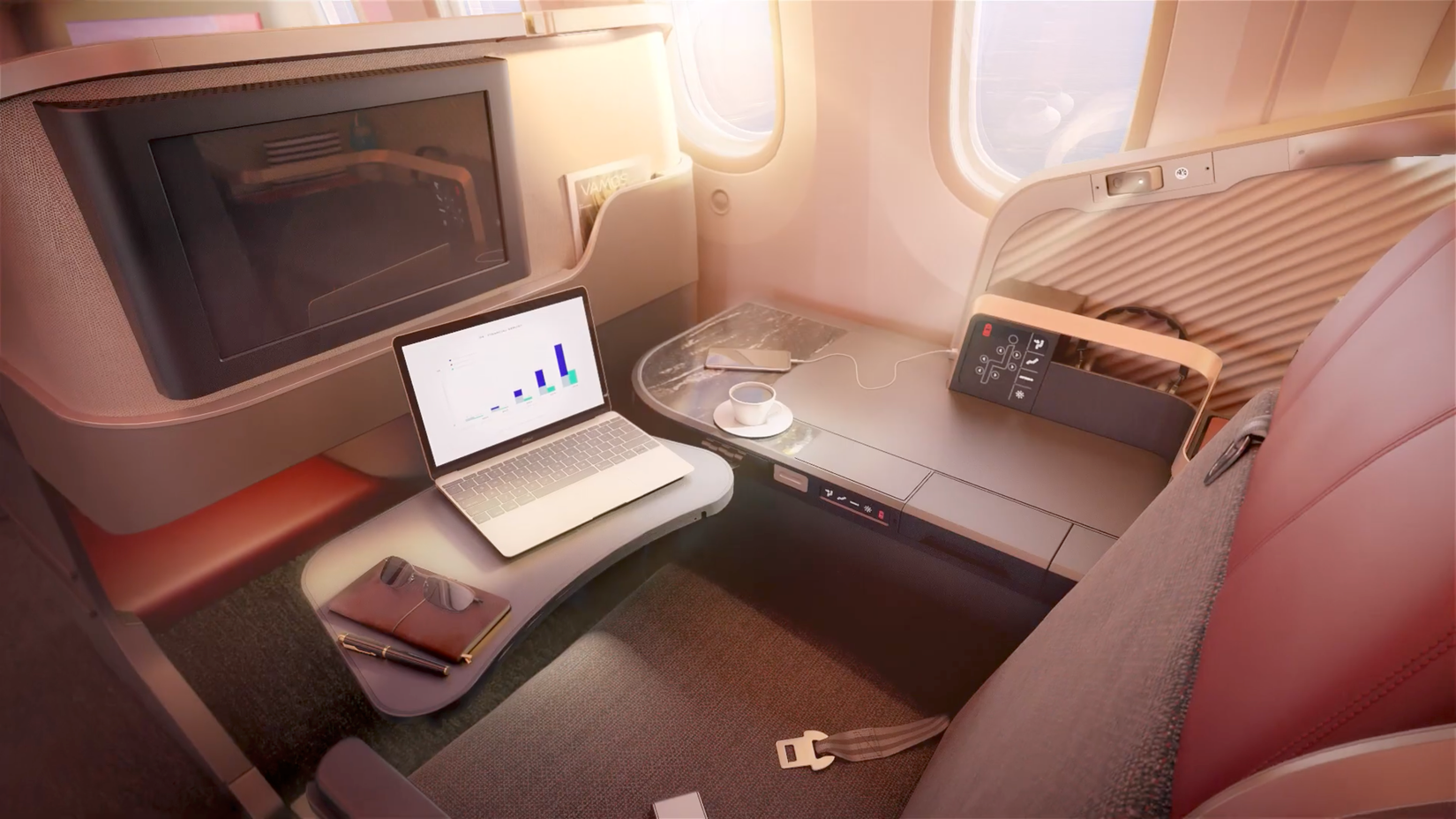
In addition to making improvements in the hangar, LATAM has steadily improved its customer perception and increased its premium airfare market segment in recent years, largely aided by its increased digitalization. The airline’s net promoter score, a composite measurement of profitability, customer satisfaction, and revenue growth, has recently hit a historic high of 54. Focusing on premium customers, LATAM’s NPS climbs up to 61, and narrowing down to the digital side of the business, it jumps up to over 70.
Rios also highlighted a $60 million investment in next-generation inflight connectivity with Viasat. According to Aviation Talk, when it debuts, it will make LATAM the first South American carrier to offer satellite-driven WiFi on intercontinental routes. However, Rios remarked that one of the most important areas in development is ‘concierge’ AI customer applications.
She described to Simple Flying how the airline has already rolled out chatbots that can help customers with comprehensive travel planning that includes recommending flights as well as hotels, restaurants, activities, and even shopping destinations. The most advanced concierge-style application has so far been introduced to a limited market for refinement and is expected to be universally rolled out in the near future.
“Customer engagement with LATAM starts sometimes months, many months before the actual travel happens. It can be because a passenger is seeking inspiration on where to go and what to do. Building capabilities so that the interaction can be as smooth as possible with the customer is something that we believe to be a differentiator.”
eMantto: Artificial Intelligence Reworks The Maintenance Schedule
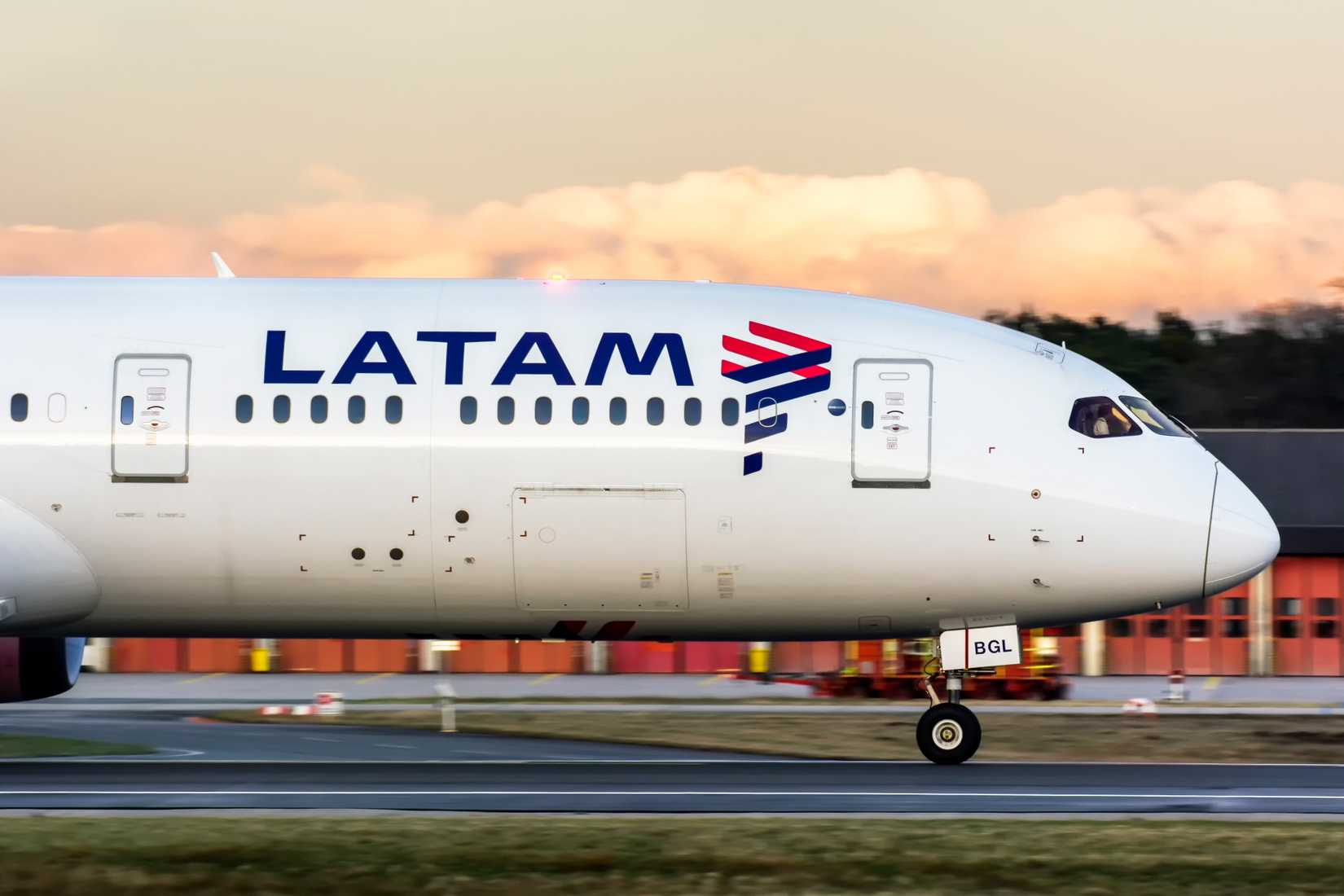
Photo: Karol Ciesluk | Shutterstock
LATAM has unlocked nearly 1,500 additional flying days per year using predictive asset management to time maintenance intervals with flight cycles and airframe history as well as real-time telemetry. LATAM reported serving almost 240,000 flyers per day in 2025, reflecting more than 8% growth from the year before. The qualitative and quantitative improvements for the airline saw it yield a 49% net income improvement over 2024.
eMantto works alongside partners such as Lufthansa Technik’s AVIATAR digital platform, which LATAM has also adopted, to link live telemetry to workflow scheduling. It has reportedly saved the airline $50 million in overhead costs, thanks in equal parts to its data engineering and user-friendliness, which has led to 92% adoption among engineers and mechanics.
Related
“Unlock New Markets”: LATAM Airlines Shows Off 1st Embraer E195-E2 Ahead Of Late 2026 Debut
The unveiling sets the stage for a transformative shift in regional air travel.
AI Assistance For Every Member Of The LATAM Team
Credit: Shutterstock
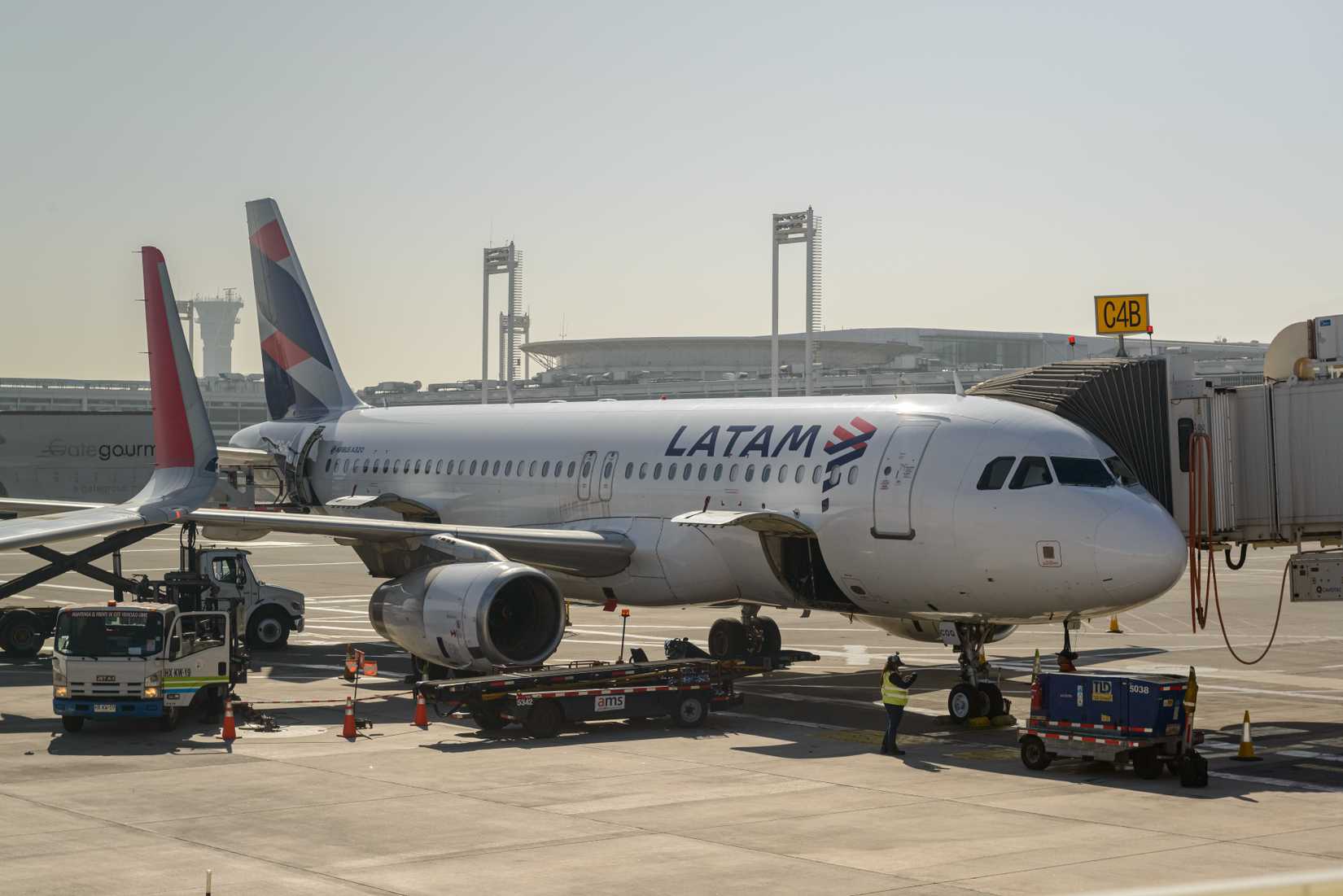
Maintenance crews have given the program a 4.7 out of 5 internal satisfaction score, according to ThoughtWorks, showing that the AI-powered platform is equally valuable for solving problems on the flight line as in the boardroom. eMantto’s mobile-friendly tool is helping LATAM increase aircraft reliability and safety while also minimizing ground time for work, a historically paradoxical challenge for air carriers. In the past, to make mechanical improvements that would improve safety, reducing capacity due to airframe downtime was inevitable.
LATAM’s digitized system arms ground crew with ruggedized tablets that can integrate directly with airplanes and exponentially speed up the process of reviewing data, inspecting systems, and reporting on each plane’s maintenance status. These tools put thousands of pages of diagrams, parts catalogs, and airplane maintenance logs at the fingertips of every technician on the flight line. Simultaneously, the AI algorithm analyzes thousands of technician notes, including voice-to-text logs, to identify patterns that help uncover recurring issues and refine processes.