
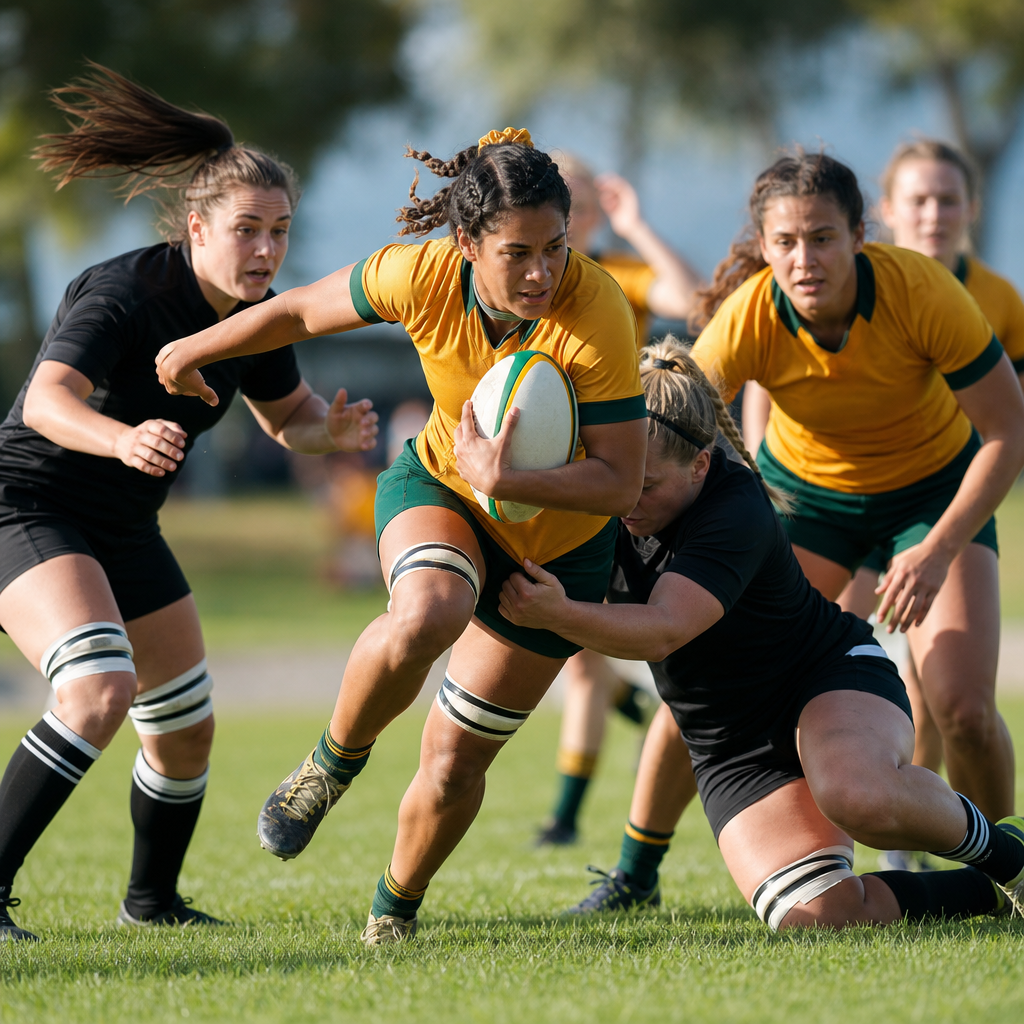
Ai Dickson turned Western Force Women’s first win of the Super Rugby Women season into the sort of moment that can change a campaign.
The reserve debutant crossed in the corner with seconds remaining at Wanneroo Districts on Saturday, giving the Force a 21-17 victory over Queensland Reds after they had trailed by 10 points at half-time. It was a late finish, but it was also a timely reminder that Australia’s women’s domestic competition is doing exactly what it needs to do before the next Wallaroos cycle: exposing players to pressure that cannot be manufactured on a training field.
Force find a way from 17-7 down
The Force had started brightly through Hera-Barb Malcolm Heke’s sixth-minute try, built from a line-out maul, before the Reds took control of the first half. Zophronia Setu replied quickly, Aroha Spillane added another in the corner, and Tiarna Molloy’s score, converted by Lori Cramer, sent Queensland into the interval 17-7 ahead.
That should have been a difficult position for a Force side already carrying the frustration of a narrow opening loss to Fijian Drua. Instead, the home side held the Reds scoreless after the break and gradually dragged the match back into the sort of contest that suited them.
Michaela Leonard’s 70th-minute try cut the deficit to three, with the Force conversion reducing the gap before the home side stayed in the right areas long enough to get one more chance. When the ball finally went wide in the final seconds, Dickson finished the move and the conversion completed the turnaround.
Why the finish matters beyond Perth
For the Force, this was more than a first tick in the win column. Their round-three meeting with the Reds had already carried a clear Wallaroos edge, because this competition has become a live selection shop window for players who need meaningful minutes, not just promising reputations.
That is especially true in the west. The Force women have built a side with enough experience to stay calm and enough emerging talent to make the selection conversation more interesting. Leonard’s leadership in dragging them back into the game mattered, but so did Dickson’s ability to step into a tense finish and take the decisive touch on debut.
Australian rugby has spent much of the past week looking at men’s national selection, including how Joe Schmidt’s Wallabies squad has leaned into a younger July core and how Len Ikitau and Tom Hooper remain part of the Wallabies opener picture. The women’s game needs the same sort of selection evidence, and Super Rugby Women is giving it in a cleaner, sharper form with every tight finish.
Reds left with a hard lesson
Queensland will know this one was there to be closed out. A 17-7 half-time lead away from home should usually be enough, particularly after three first-half tries and long periods of pressure. The problem was not their opening punch, but the second-half fade that allowed the Force to keep coming.
The Reds will not need to rip everything up. Their first-half shape, line-out threat and ability to squeeze territory all gave them a platform. But in a short competition, letting a game slip after shutting the home crowd out for long stretches can become costly very quickly.
The Force now move towards next Saturday’s meeting with NSW Waratahs at Palmyra Rugby Club with something sturdier than encouragement. They have proof that they can absorb a bad half, stay in the fight and still find a finish. In a competition built to harden Australia’s best women’s players for bigger stages, Dickson’s late try was exactly the kind of evidence selectors should want to see.